When Do Babies Start Walking? Milestones Every Parent Should Know (2026 Guide)
One of the most exciting milestones in your baby’s life is their first steps. For many parents, that moment feels like it arrives out of nowhere—one day your baby is crawling, and the next they’re wobbling across the room.
But if you're wondering “When do babies start walking?”, the truth is that every child develops at their own pace.
Some babies take their first steps early, while others take a little more time. Both are completely normal.
Understanding typical walking milestones can help you support your baby as they grow confident on their feet.
When Do Babies Start Walking?
Most babies begin walking between 9 and 15 months.
However, the average age for first steps is around 12 months old.
Some babies may walk earlier, while others may take their first steps closer to 16–18 months, especially if they are cautious or focused on other developmental skills.
Pediatricians generally consider walking anywhere within this window completely healthy.
Here’s a general timeline many parents see:
6–9 months
-
Babies begin sitting independently
-
They may start crawling or scooting
-
Pulling up to stand begins
9–12 months
-
Babies start cruising along furniture
-
Standing independently for a few seconds
-
First wobbly steps may appear
12–15 months
-
Most babies begin walking confidently
-
Balance and coordination improve quickly
Early Walkers vs Late Walkers
Every baby develops differently.
Some babies are early walkers, taking their first steps at 9 or 10 months. Others may wait until 15 months or later.
Several factors influence walking development, including:
-
personality and confidence
-
muscle strength
-
opportunities for movement
-
time spent on the floor exploring
Babies who spend more time crawling, pulling up, and exploring freely often develop strong coordination before walking.
Late walking is not necessarily a concern as long as your child continues meeting other developmental milestones.
Signs Your Baby Will Walk Soon
Before babies take their first steps, they show several exciting signs that walking is right around the corner.
Common signs include:
✔ Pulling up on furniture
Your baby may begin pulling themselves up to stand while holding onto couches, tables, or cribs.
✔ Cruising along furniture
Many babies start walking sideways while holding onto furniture.
✔ Standing without support
You may notice your baby standing for a few seconds before sitting down again.
✔ Squatting and standing again
This shows improving leg strength and balance.
✔ Attempting independent steps
Your baby might wobble forward for one or two steps before falling into your arms.
These small attempts are all part of learning how to walk.
How to Help Babies Learn to Walk
Babies naturally learn to walk through exploration and play.
Parents can support this process by creating safe opportunities for movement.
Here are a few helpful ways to encourage walking:
1. Give your baby plenty of floor time
Babies strengthen muscles by crawling, pulling up, and exploring.
2. Encourage cruising
Place toys on furniture to motivate babies to move sideways.
3. Hold hands while they practice stepping
Gently supporting their hands helps them gain confidence.
4. Avoid walkers
Traditional baby walkers can actually delay walking by preventing babies from strengthening the right muscles.
5. Let them practice barefoot indoors
Bare feet help babies develop balance and strengthen foot muscles.
Do Babies Need Shoes When Learning to Walk?
Many parents are surprised to learn that babies actually learn to walk best barefoot.
Pediatric experts often recommend allowing babies to walk barefoot indoors because it helps them:
-
develop balance
-
strengthen foot muscles
-
feel the ground beneath them
However, once babies begin walking outside, shoes become important for protecting their feet.
The best first walking shoes should allow a child’s feet to move as naturally as possible.
Look for shoes that have:
✔ a wide toe box so toes can spread naturally
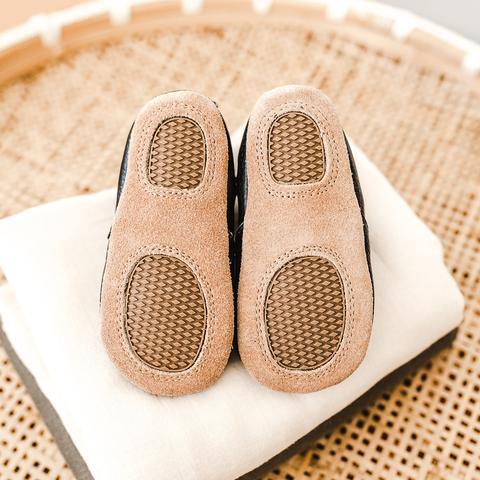
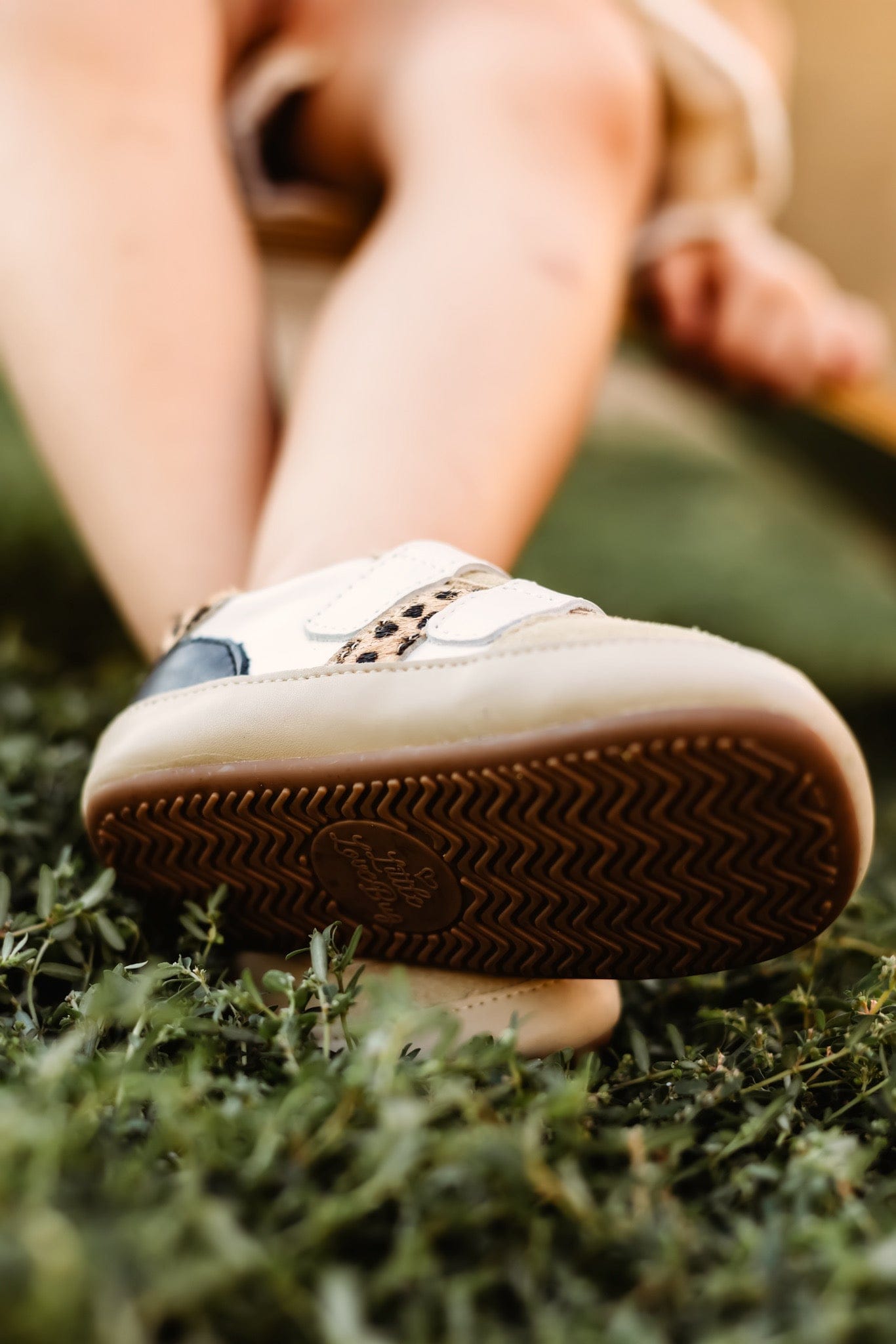
✔ flexible soles that bend easily
✔ a zero-drop design that keeps feet flat and balanced
These features help support healthy foot development while protecting little feet outdoors.
Choosing the Best First Walking Shoes
When babies begin walking outside, choosing the right shoes becomes important.
Traditional stiff shoes can restrict movement and prevent feet from developing naturally.
Instead, experts often recommend lightweight, flexible shoes that mimic barefoot movement.
The best first walking shoes should:
-
allow toes to spread naturally
-
bend easily with your child’s movement
-
stay lightweight and comfortable
-
support natural balance
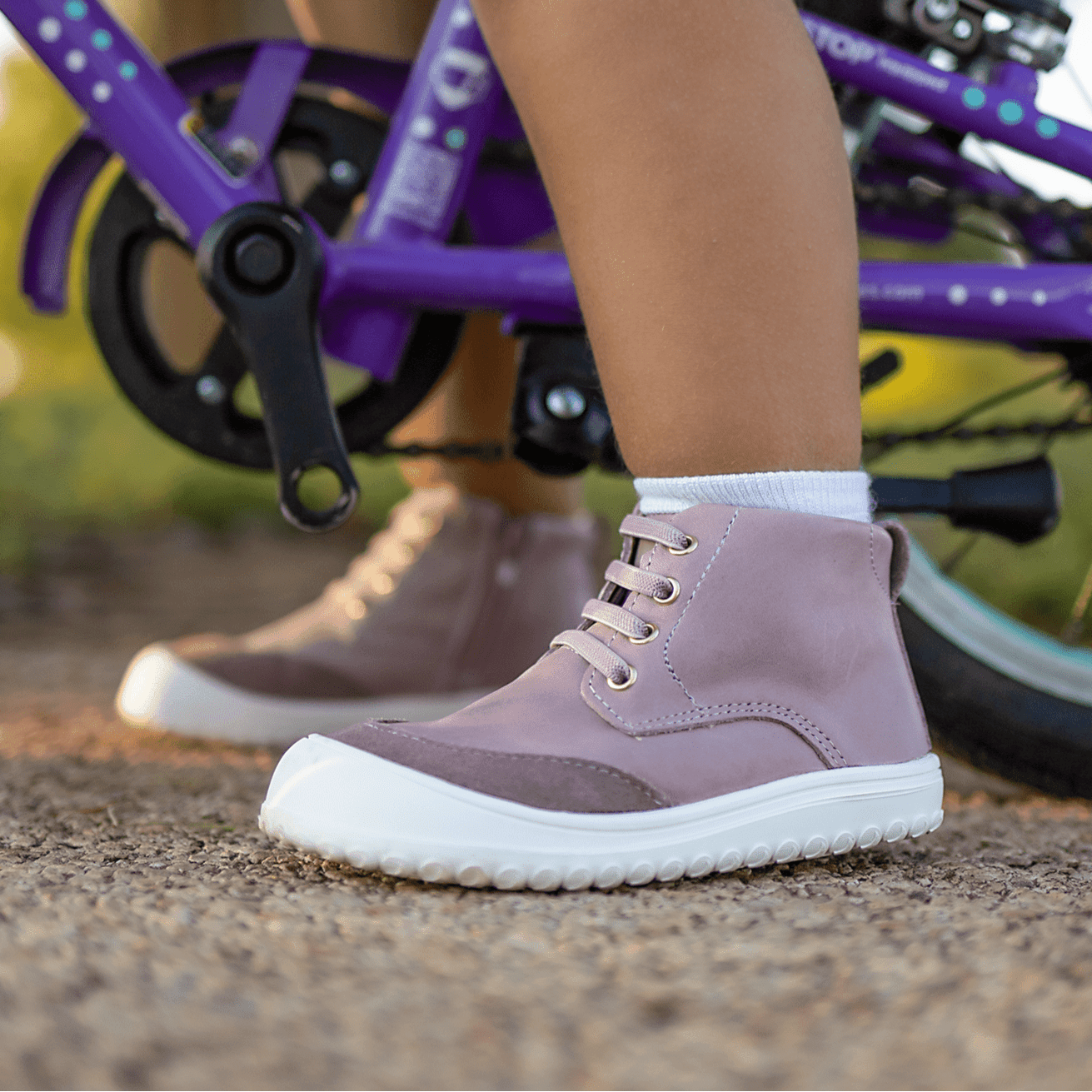
Many parents today choose barefoot-style shoes designed specifically for early walkers.
These shoes protect little feet without interfering with how children naturally move and explore.
The First Steps Are Just the Beginning
Watching your baby take their first steps is a moment you'll never forget.
Whether your child walks at 10 months or 15 months, the most important thing is that they feel supported as they explore the world around them.
With plenty of movement, encouragement, and the right footwear when needed, your little one will soon be running, climbing, and discovering everything around them.
And those tiny first steps?
They’re just the beginning of a lifetime of adventures.