7 Signs Your Child’s Shoes Are Too Small (And What Parents Should Know)
Children’s feet grow incredibly fast, especially during the toddler years. In fact, kids may need new shoes every few months as their feet develop.
Because children often can’t explain discomfort clearly, parents sometimes miss the early signs that shoes have become too small.
Wearing shoes that are too tight can affect comfort, balance, and even healthy foot development.
Here are seven common signs your child’s shoes may be too small — and what you can do about it.
1. Red Marks on the Feet
One of the clearest signs that shoes are too tight is red marks on your child’s feet.
After removing your child’s shoes, look for redness around:
-
the toes
-
the sides of the foot
-
the heel
-
the top of the foot
If the marks disappear quickly, the shoes may simply be snug. But if redness lasts longer or happens regularly, it may be time to size up.
2. Toes Look Squished
Children’s toes should be able to spread naturally when they walk.
Shoes with narrow fronts can press the toes together, leaving little room for movement.
You may notice:
-
toes pressed together
-
the big toe leaning inward
-
your child curling their toes while walking
A shoe with a wide toe box allows toes to move freely and supports natural balance.
3. Your Child Trips More Often
If your child suddenly starts tripping more than usual, tight shoes could be part of the problem.
Shoes that are too small can restrict natural movement and make it harder for kids to balance while walking or running.
Children learning to walk rely heavily on their feet for balance, so comfortable shoes make a big difference.
4. Your Child Refuses to Wear Their Shoes
Toddlers often show discomfort in simple ways — like refusing to put their shoes on.
If your child suddenly starts:
-
pulling shoes off
-
complaining about shoes
-
resisting getting dressed
their shoes may no longer fit properly.
Because toddlers’ feet grow quickly, shoes that fit just a few months ago may already be too small.
5. Your Child Outgrows Shoes Faster Than Expected
Rapid growth is normal during early childhood.
On average:
-
babies grow ½ size every 2–3 months
-
toddlers grow ½ size every 3–4 months
Regularly checking your child’s shoe size helps ensure they always have enough room to move comfortably.
6. The Shoes Feel Hard to Put On
If putting shoes on your child suddenly becomes difficult, it may mean their feet have outgrown them.
Watch for:
-
tight straps
-
difficulty sliding the foot in
-
shoes leaving marks on the ankle or top of the foot
Shoes should feel secure, but not tight or restrictive.
7. There’s No Space in the Toe Area
A good rule of thumb is to leave about a thumb’s width of space between your child’s longest toe and the front of the shoe.
If the toes are touching the end of the shoe, it's time for the next size.
This extra space gives growing feet room to move and develop naturally.
Why Proper Fit Matters for Growing Feet
Children’s feet are still developing, and their bones are softer than adult bones.
Shoes that are too tight or restrictive may interfere with natural movement and comfort.
That’s why many parents look for shoes that allow kids’ feet to move as naturally as possible.
Features that support healthy foot development include:
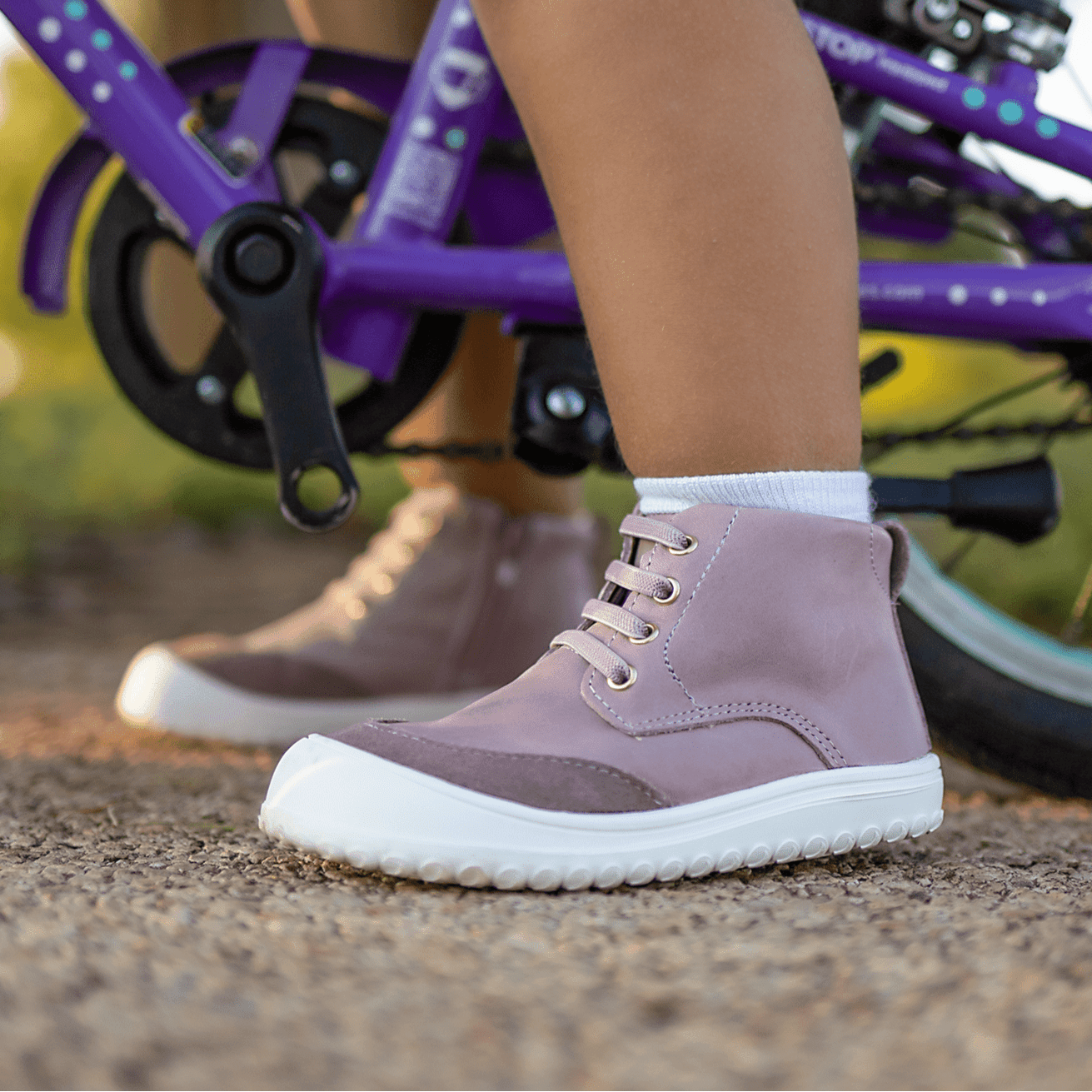
✔ wide toe boxes that allow toes to spread
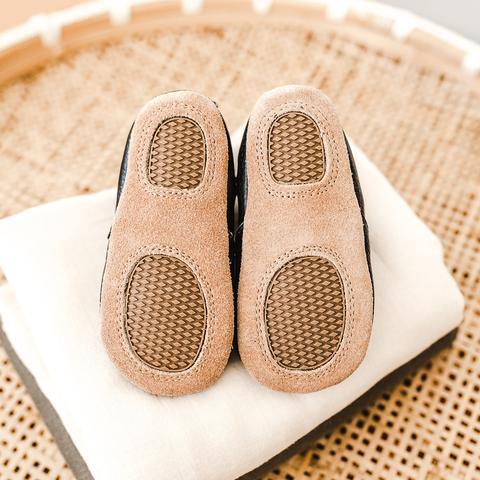
✔ flexible soles that bend with movement
✔ lightweight designs that don’t restrict walking
✔ zero-drop soles that keep feet in a natural position
Shoes designed with these features allow children to run, jump, and explore comfortably.
When to Check Your Child’s Shoe Size
Because children grow quickly, it’s helpful to check their shoe size regularly.
Many experts recommend checking every:
-
2–3 months for babies
-
3–4 months for toddlers
Even if shoes still look fine, growing feet may need more room than parents realize.
Supporting Healthy Steps
Making sure your child’s shoes fit properly helps support comfortable movement and natural development.
When shoes allow toes to spread and feet to move freely, children can walk, run, and play with confidence.
And those growing feet?
They’re carrying your little one through a world full of adventures.