Baby Development Milestones: What to Expect From 0–24 Months
Watching your baby grow and develop during the first two years of life is one of the most incredible parts of parenthood. From their first smile to their first steps, each milestone marks an exciting stage in your child’s development.
Every baby develops at their own pace, but understanding typical milestones can help parents support their child’s growth and feel confident about what’s ahead.
This guide walks through key baby development milestones from birth to 24 months, including movement, communication, and walking milestones.
Newborn to 3 Months
During the first few months, babies are adjusting to life outside the womb and beginning to explore their surroundings.
Common milestones include:
✔ lifting their head briefly during tummy time
✔ making eye contact
✔ recognizing parents’ voices
✔ beginning to smile
✔ tracking objects with their eyes
Tummy time becomes especially important during this stage because it helps babies develop the muscles needed for crawling and eventually walking.
3–6 Months
Between three and six months, babies become more curious and interactive with the world around them.
You may notice your baby beginning to:
✔ roll from tummy to back
✔ reach for toys
✔ laugh and make new sounds
✔ push up on their arms during tummy time
✔ begin sitting with support
These movements help babies develop core strength and coordination, which are essential for later milestones like crawling and standing.
6–9 Months
This stage is full of exciting changes as babies begin exploring movement.
Common milestones include:
✔ sitting independently
✔ crawling or scooting
✔ transferring objects between hands
✔ responding to their name
✔ babbling with new sounds
Many babies also begin pulling themselves up to stand during this stage by holding onto furniture.
9–12 Months
As babies approach their first birthday, they begin developing the confidence needed for walking.
Common milestones include:
✔ pulling up to stand
✔ cruising along furniture
✔ standing without support
✔ taking first steps
✔ using simple gestures like waving or pointing
Some babies take their first steps during this stage, while others may wait a few more months.
Both are completely normal.
12–18 Months
Most babies begin walking sometime between 12 and 15 months, although some may take a little longer.
During this stage you may notice:
✔ walking independently
✔ climbing onto furniture
✔ pushing toys while walking
✔ saying simple words
✔ showing more independence
Once babies begin walking confidently, they start exploring their environment much more actively.
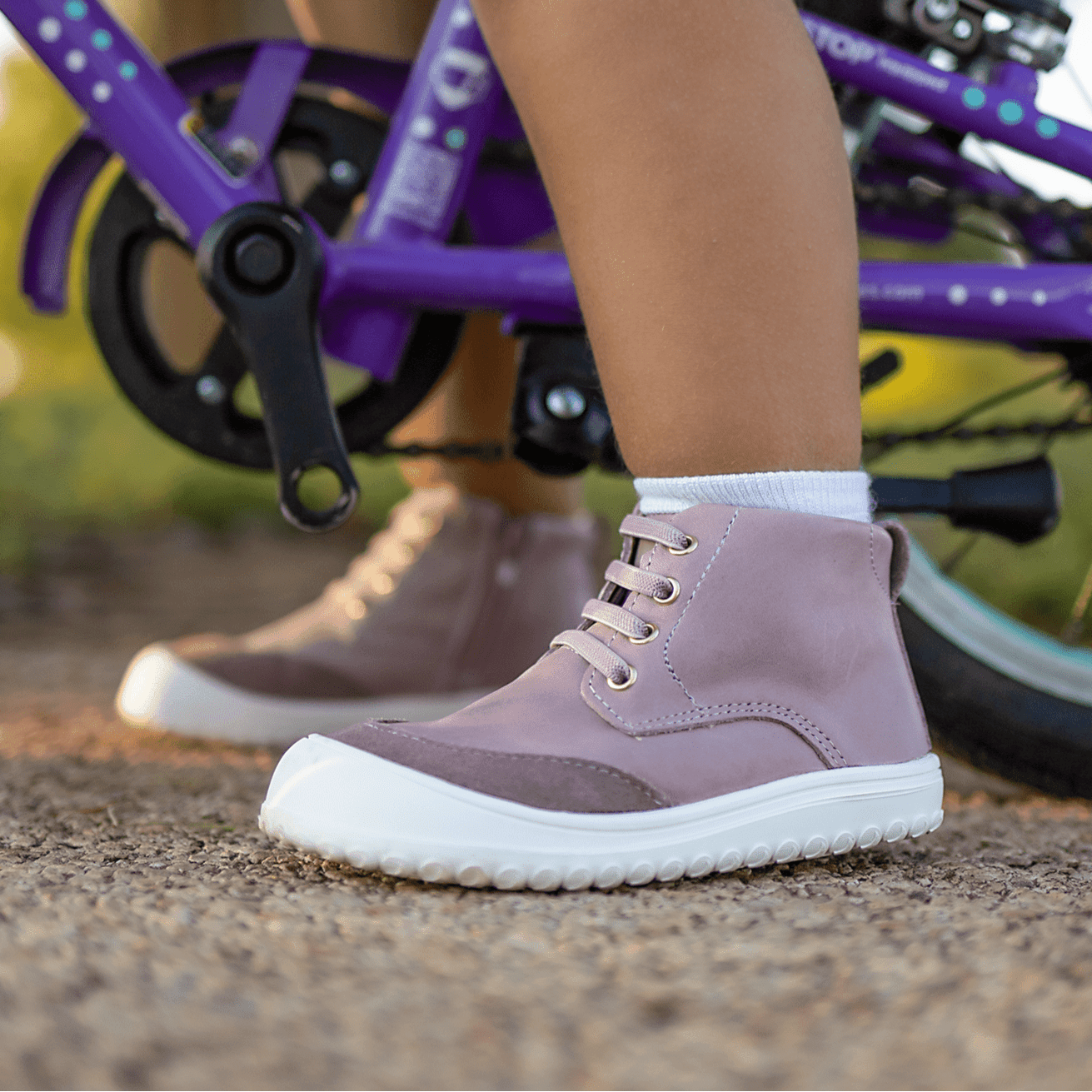
This is often the stage when parents begin looking for first walking shoes for outdoor adventures.
18–24 Months
Between 18 and 24 months, toddlers become much more confident in their movements.
Common milestones include:
✔ running short distances
✔ kicking balls
✔ climbing stairs with help
✔ building small towers with blocks
✔ speaking short phrases
At this stage, toddlers are constantly exploring, running, and playing, which means comfortable footwear becomes increasingly important.
When Do Babies Start Walking?
One of the biggest milestones parents look forward to is their baby’s first steps.
Most babies begin walking between 9 and 15 months, with the average age being around 12 months.
Before walking, babies often go through several stages:
-
crawling
-
pulling up to stand
-
cruising along furniture
-
standing independently
-
first steps
Each stage helps build the strength and coordination needed for walking.
Supporting Healthy Movement
During the early years, children’s feet are still developing.
Experts often recommend letting babies walk barefoot indoors whenever possible because it helps them develop balance and strengthen foot muscles.
When babies begin walking outside, shoes should protect their feet without restricting natural movement.
Many parents look for shoes that allow their child’s feet to move naturally while still providing protection.
Features that support healthy movement include:
✔ wide toe boxes
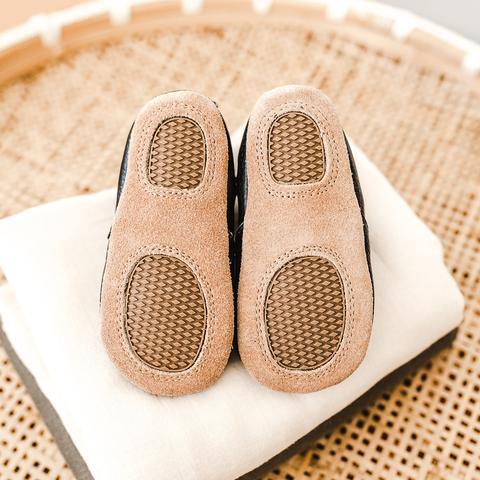
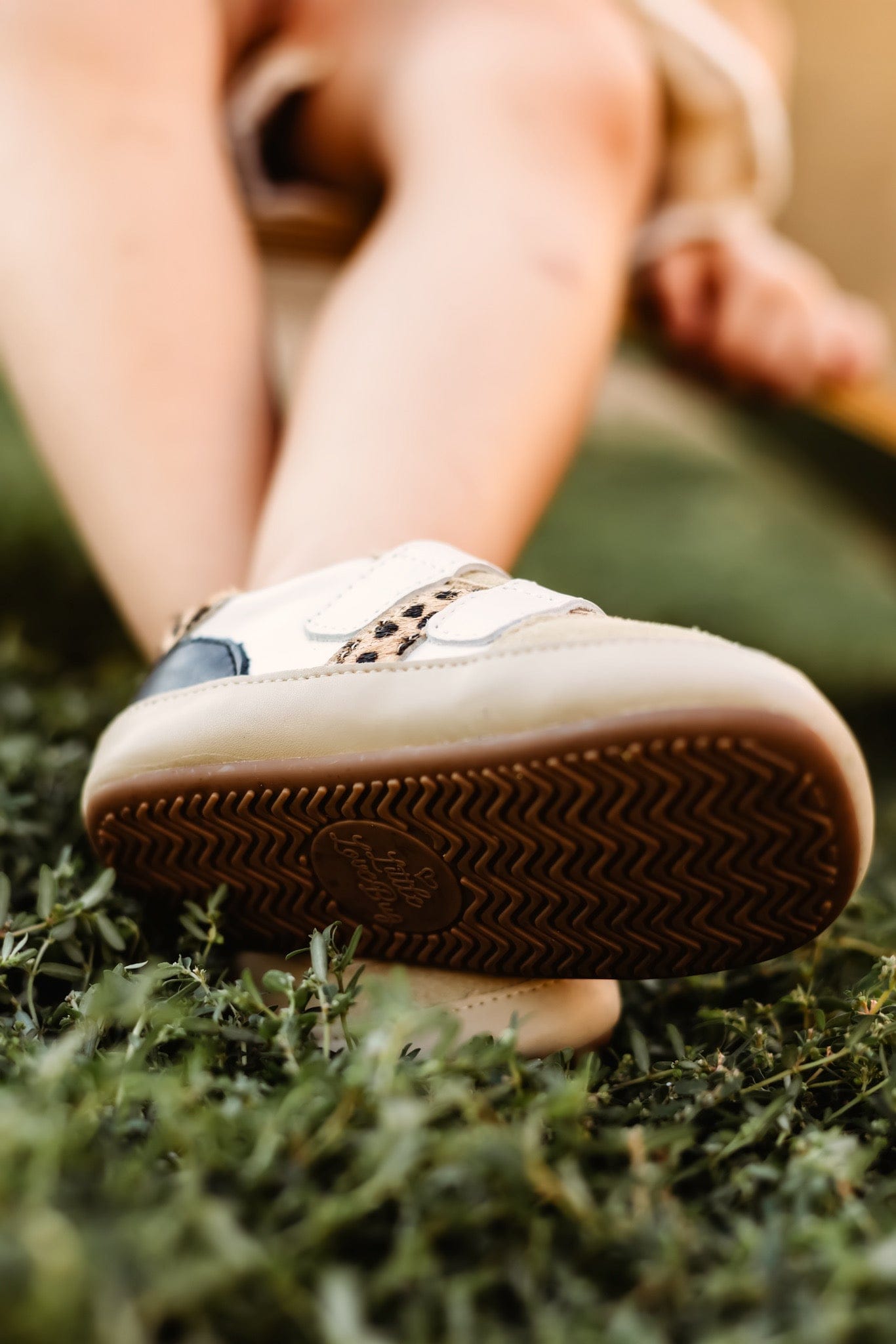
✔ flexible soles
✔ lightweight materials
✔ zero-drop design
These features help toddlers move comfortably as they learn to walk, run, and explore.
Every Baby Develops at Their Own Pace
It’s important to remember that milestones are guidelines rather than strict rules.
Some babies crawl early but walk later. Others skip crawling entirely and go straight to walking.
As long as your child continues learning new skills and exploring their environment, small differences in timing are completely normal.
If you ever have concerns about your child’s development, your pediatrician can provide guidance and reassurance.
The First Two Years Go Fast
The first two years of your baby’s life are full of incredible growth and discovery.
From their first smile to their first steps, every milestone is part of an amazing journey.
Before you know it, those tiny steps will turn into running feet exploring the world around them.
And those little feet?
They’re just getting started.