The color of a baby's eyes can change in the first few months of life, and many parents wonder when and why these changes occur. Here's what you need to know:
Why Babies' Eyes Change Color:
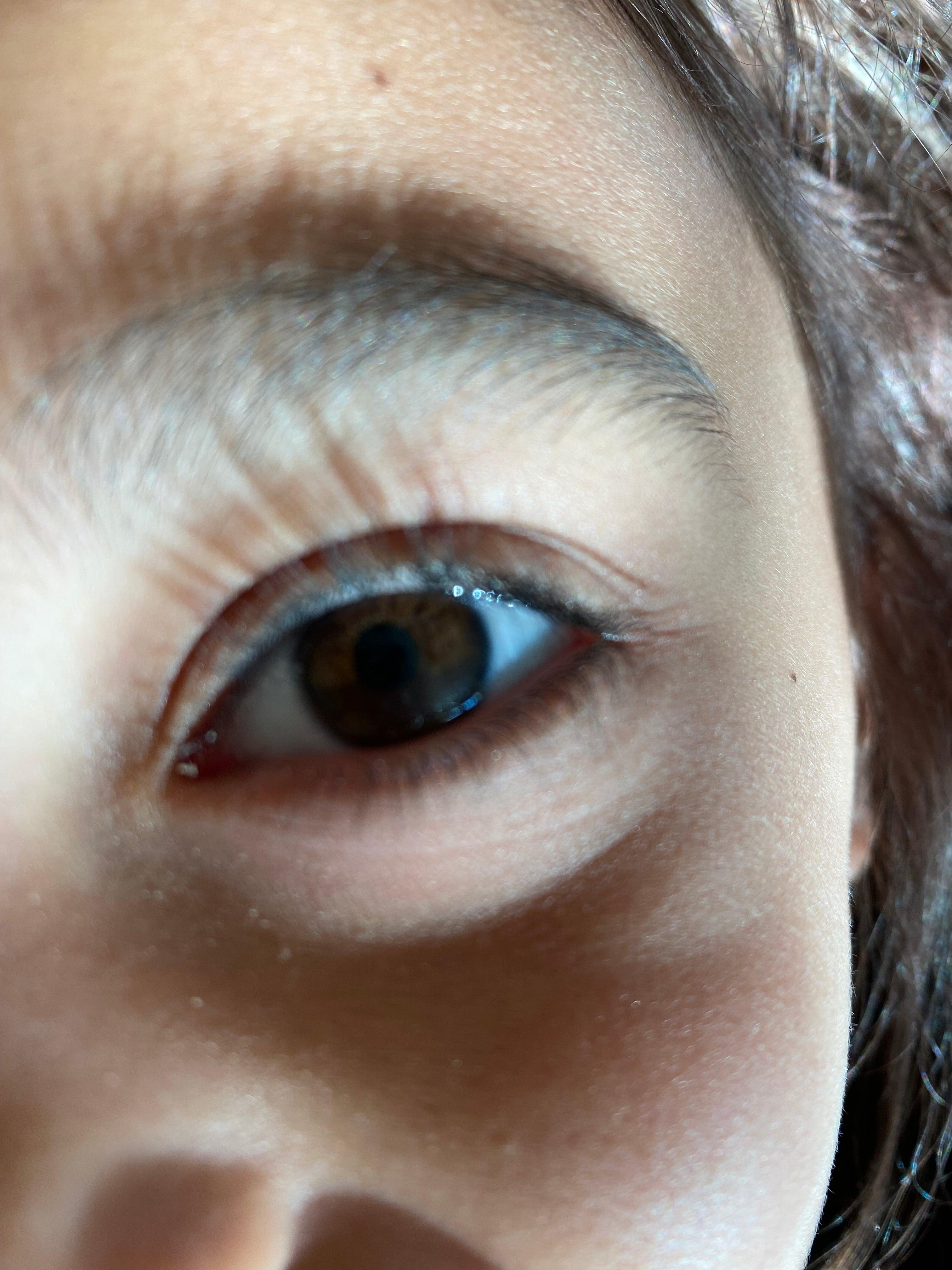
The color of a baby's eyes is determined by the amount and type of pigmentation in the iris, which can change in the first few months of life as the baby's body produces more melanin. At birth, many babies have blue or gray eyes due to the lack of melanin in the iris. However, as the baby grows and develops, their body begins to produce more melanin, which can change the color of their eyes.
When to Expect Changes:
Most babies' eye color changes occur within the first 6-9 months of life, although it can take up to a year or longer for the eyes to settle into their permanent color. The exact timing of these changes can vary depending on genetics and other factors.
Factors That Affect Eye Color:
Eye color is determined by genetics, and the specific combination of genes inherited from parents can influence the final color of a baby's eyes. However, it's not always possible to predict exactly what color a baby's eyes will be based on their parents' eye colors.
Some factors that can affect the final color of a baby's eyes include:
1. The amount and type of melanin in the iris
2. Genetics, including both parents' eye colors
3. Exposure to light, which can stimulate melanin production
4. Health conditions that affect melanin production, such as albinism
When to Be Concerned:
In most cases, changes in a baby's eye color are normal and nothing to be concerned about. However, if a baby's eyes seem to be changing color rapidly or unevenly, or if the baby's pupils appear to be different sizes, it's important to contact a doctor for evaluation. These symptoms can indicate underlying health conditions that require medical attention.
In conclusion, babies' eye color can change in the first few months of life as their body produces more melanin. Most changes occur within the first 6-9 months of life, but it can take up to a year or longer for the eyes to settle into their permanent color. While changes in eye color are usually normal and nothing to be concerned about, it's important to contact a doctor if there are any rapid or uneven changes, or if other concerning symptoms are present.
When Do Babies' Eyes Change Color? Understanding the Process and What to Expect
by
Leslie Nelson
in
News
Related Posts
Baby Development Milestones: What to Expect From 0–24 Months
Baby Development Milestones: What to Expect From 0–24 Months Watching your baby grow and develop during the first two years of life is one of the most incredible parts of parenthood. From their first smile to their first steps, each milestone marks an exciting stage in your child’s development. Every baby develops at their own pace, but understanding typical milestones can help parents support their child’s growth and feel confident about what’s ahead. This guide walks through key baby development milestones from birth to 24 months, including movement, communication, and walking milestones. Newborn to 3 Months During the first few months, babies are adjusting to life outside the womb and beginning to explore their surroundings. Common milestones include: ✔ lifting their head briefly during tummy time✔ making eye contact✔ recognizing parents’ voices✔ beginning to smile✔ tracking objects with their eyes Tummy time becomes especially important during this stage because it helps babies develop the muscles needed for crawling and eventually walking. 3–6 Months Between three and six months, babies become more curious and interactive with the world around them. You may notice your baby beginning to: ✔ roll from tummy to back✔ reach for toys✔ laugh and make new sounds✔ push up on their arms during tummy time✔ begin sitting with support These movements help babies develop core strength and coordination, which are essential for later milestones like crawling and standing. 6–9 Months This stage is full of exciting changes as babies begin exploring movement. Common milestones include: ✔ sitting independently✔ crawling or scooting✔ transferring objects between hands✔ responding to their name✔ babbling with new sounds Many babies also begin pulling themselves up to stand during this stage by holding onto furniture. 9–12 Months As babies approach their first birthday, they begin developing the confidence needed for walking. Common milestones include: ✔ pulling up to stand✔ cruising along furniture✔ standing without support✔ taking first steps✔ using simple gestures like waving or pointing Some babies take their first steps during this stage, while others may wait a few more months. Both are completely normal. 12–18 Months Most babies begin walking sometime between 12 and 15 months, although some may take a little longer. During this stage you may notice: ✔ walking independently✔ climbing onto furniture✔ pushing toys while walking✔ saying simple words✔ showing more independence Once babies begin walking confidently, they start exploring their environment much more actively. This is often the stage when parents begin looking for first walking shoes for outdoor adventures. 18–24 Months Between 18 and 24 months, toddlers become much more confident in their movements. Common milestones include: ✔ running short distances✔ kicking balls✔ climbing stairs with help✔ building small towers with blocks✔ speaking short phrases At this stage, toddlers are constantly exploring, running, and playing, which means comfortable footwear becomes increasingly important. When Do Babies Start Walking? One of the biggest milestones parents look forward to is their baby’s first steps. Most babies begin walking between 9 and 15 months, with the average age being around 12 months. Before walking, babies often go through several stages: crawling pulling up to stand cruising along furniture standing independently first steps Each stage helps build the strength and coordination needed for walking. Supporting Healthy Movement During the early years, children’s feet are still developing. Experts often recommend letting babies walk barefoot indoors whenever possible because it helps them develop balance and strengthen foot muscles. When babies begin walking outside, shoes should protect their feet without restricting natural movement. Many parents look for shoes that allow their child’s feet to move naturally while still providing protection. Features that support healthy movement include: ✔ wide toe boxes✔ flexible soles✔ lightweight materials✔ zero-drop design These features help toddlers move comfortably as they learn to walk, run, and explore. Every Baby Develops at Their Own Pace It’s important to remember that milestones are guidelines rather than strict rules. Some babies crawl early but walk later. Others skip crawling entirely and go straight to walking. As long as your child continues learning new skills and exploring their environment, small differences in timing are completely normal. If you ever have concerns about your child’s development, your pediatrician can provide guidance and reassurance. The First Two Years Go Fast The first two years of your baby’s life are full of incredible growth and discovery. From their first smile to their first steps, every milestone is part of an amazing journey. Before you know it, those tiny steps will turn into running feet exploring the world around them. And those little feet? They’re just getting started.
Learn moreBaby & Toddler Shoe Size Chart by Age (2026 Guide)
Baby & Toddler Shoe Size Chart by Age (2026 Guide) One of the most common questions parents ask is: “What shoe size should my baby or toddler wear?” Children’s feet grow quickly during the early years, which means shoe sizes change more often than many parents expect. Finding the right fit is important not only for comfort but also for healthy foot development. This guide includes a baby and toddler shoe size chart by age, along with tips for measuring your child’s feet and knowing when it’s time to size up. Why Proper Shoe Fit Matters for Kids Children’s feet grow rapidly during the first few years of life. In fact, a child’s foot can grow half a size every few months. Shoes that are too tight can restrict movement, while shoes that are too large can make it harder for children to walk comfortably. A properly fitting shoe should: ✔ leave a small amount of space for growing toes✔ allow toes to spread naturally✔ bend easily with your child’s movement Many parents today look for flexible, foot-shaped shoes that allow children’s feet to move naturally while protecting them outdoors. Baby Shoe Size Chart (0–12 Months) Babies grow quickly, and their shoe size may change several times during their first year. Age US Shoe Size Foot Length Newborn 0–1 3.1–3.5 in 0–3 months 1 3.5 in 3–6 months 2 3.75 in 6–9 months 3 4.125 in 9–12 months 4 4.5 in Most babies do not need structured shoes during this stage unless they are walking outdoors. Soft socks or soft-soled shoes are usually sufficient. Toddler Shoe Size Chart (1–4 Years) Once babies begin walking independently, they often transition into toddler shoe sizes. Age US Shoe Size Foot Length 12–18 months 5 4.75 in 18–24 months 6 5.125 in 2 years 7 5.5 in 2–3 years 8 5.75 in 3 years 9 6 in 3–4 years 10 6.25 in Because toddlers grow quickly, many parents find themselves sizing up every 3–4 months. Kids Shoe Size Chart (4–8 Years) As children grow, their shoe sizes begin changing slightly more slowly. Age US Shoe Size 4–5 years 10–11 5–6 years 12 6–7 years 13 7–8 years 1–2 These sizes are approximate since every child’s growth pattern is different. How to Measure Your Child’s Foot at Home Measuring your child’s feet at home is easier than many parents realize. Step 1 Place a piece of paper flat on the floor against a wall. Step 2 Have your child stand with their heel against the wall. Step 3 Mark the longest point of the foot on the paper. Step 4 Measure the distance from the wall to the mark. This measurement helps you determine your child’s current shoe size. Most experts recommend leaving about a thumb’s width of space between the longest toe and the front of the shoe. Signs Your Child Needs New Shoes Because children may not always express discomfort clearly, parents should look for signs that shoes may no longer fit properly. Common signs include: ✔ red marks on the feet✔ toes pressing against the front of the shoe✔ frequent tripping or imbalance✔ difficulty putting shoes on✔ your child refusing to wear their shoes Children’s feet grow quickly, so it’s helpful to check their shoe size every 3–4 months during toddlerhood. What to Look for in Kids Shoes Choosing the right shoes can help support healthy foot development as children grow. Many experts recommend shoes that allow kids’ feet to move as naturally as possible. Important features to look for include: ✔ Wide toe boxes that allow toes to spread naturally✔ Flexible soles that bend easily when walking✔ Lightweight materials that do not restrict movement✔ Zero-drop soles that keep feet level and balanced Shoes designed with these features help children move comfortably while exploring, walking, and playing. Do Babies Need Shoes When Learning to Walk? Many pediatric experts recommend letting babies practice walking barefoot indoors, since this helps develop balance and foot strength. Shoes are typically introduced when children begin walking outside, where footwear helps protect their feet from rough or hot surfaces. When choosing first walking shoes, flexible and lightweight designs are usually the best option. How Often Should Kids Get New Shoes? Children’s feet grow rapidly, especially during the first few years. A general guideline is: babies: check every 2–3 months toddlers: check every 3–4 months young children: check every 4–6 months Regularly checking your child’s shoe size helps ensure they always have room to grow and move comfortably. Supporting Healthy Steps Watching your child learn to walk, run, and explore the world is one of the joys of parenthood. Making sure their shoes fit properly helps support comfortable movement and healthy development. When shoes allow children’s feet to move naturally, they can explore confidently as they grow. And those growing feet? They’re carrying your little one into a world full of adventures.
Learn more7 Signs Your Child’s Shoes Are Too Small (And What Parents Should Know)
7 Signs Your Child’s Shoes Are Too Small (And What Parents Should Know) Children’s feet grow incredibly fast, especially during the toddler years. In fact, kids may need new shoes every few months as their feet develop. Because children often can’t explain discomfort clearly, parents sometimes miss the early signs that shoes have become too small. Wearing shoes that are too tight can affect comfort, balance, and even healthy foot development. Here are seven common signs your child’s shoes may be too small — and what you can do about it. 1. Red Marks on the Feet One of the clearest signs that shoes are too tight is red marks on your child’s feet. After removing your child’s shoes, look for redness around: the toes the sides of the foot the heel the top of the foot If the marks disappear quickly, the shoes may simply be snug. But if redness lasts longer or happens regularly, it may be time to size up. 2. Toes Look Squished Children’s toes should be able to spread naturally when they walk. Shoes with narrow fronts can press the toes together, leaving little room for movement. You may notice: toes pressed together the big toe leaning inward your child curling their toes while walking A shoe with a wide toe box allows toes to move freely and supports natural balance. 3. Your Child Trips More Often If your child suddenly starts tripping more than usual, tight shoes could be part of the problem. Shoes that are too small can restrict natural movement and make it harder for kids to balance while walking or running. Children learning to walk rely heavily on their feet for balance, so comfortable shoes make a big difference. 4. Your Child Refuses to Wear Their Shoes Toddlers often show discomfort in simple ways — like refusing to put their shoes on. If your child suddenly starts: pulling shoes off complaining about shoes resisting getting dressed their shoes may no longer fit properly. Because toddlers’ feet grow quickly, shoes that fit just a few months ago may already be too small. 5. Your Child Outgrows Shoes Faster Than Expected Rapid growth is normal during early childhood. On average: babies grow ½ size every 2–3 months toddlers grow ½ size every 3–4 months Regularly checking your child’s shoe size helps ensure they always have enough room to move comfortably. 6. The Shoes Feel Hard to Put On If putting shoes on your child suddenly becomes difficult, it may mean their feet have outgrown them. Watch for: tight straps difficulty sliding the foot in shoes leaving marks on the ankle or top of the foot Shoes should feel secure, but not tight or restrictive. 7. There’s No Space in the Toe Area A good rule of thumb is to leave about a thumb’s width of space between your child’s longest toe and the front of the shoe. If the toes are touching the end of the shoe, it's time for the next size. This extra space gives growing feet room to move and develop naturally. Why Proper Fit Matters for Growing Feet Children’s feet are still developing, and their bones are softer than adult bones. Shoes that are too tight or restrictive may interfere with natural movement and comfort. That’s why many parents look for shoes that allow kids’ feet to move as naturally as possible. Features that support healthy foot development include: ✔ wide toe boxes that allow toes to spread✔ flexible soles that bend with movement✔ lightweight designs that don’t restrict walking✔ zero-drop soles that keep feet in a natural position Shoes designed with these features allow children to run, jump, and explore comfortably. When to Check Your Child’s Shoe Size Because children grow quickly, it’s helpful to check their shoe size regularly. Many experts recommend checking every: 2–3 months for babies 3–4 months for toddlers Even if shoes still look fine, growing feet may need more room than parents realize. Supporting Healthy Steps Making sure your child’s shoes fit properly helps support comfortable movement and natural development. When shoes allow toes to spread and feet to move freely, children can walk, run, and play with confidence. And those growing feet? They’re carrying your little one through a world full of adventures.
Learn more