News

Step into Healthy Development: The Benefits of Barefoot Shoes for Kids by Little Love Bug Company
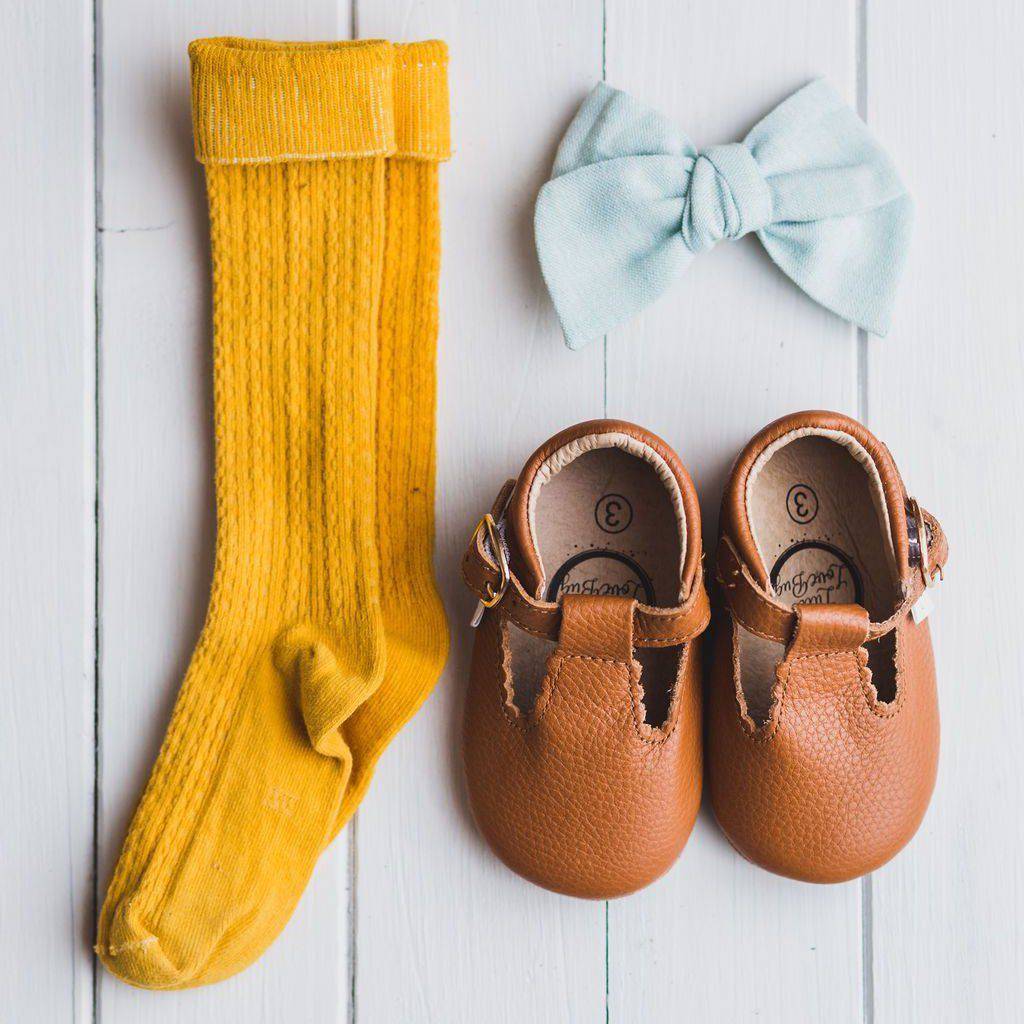
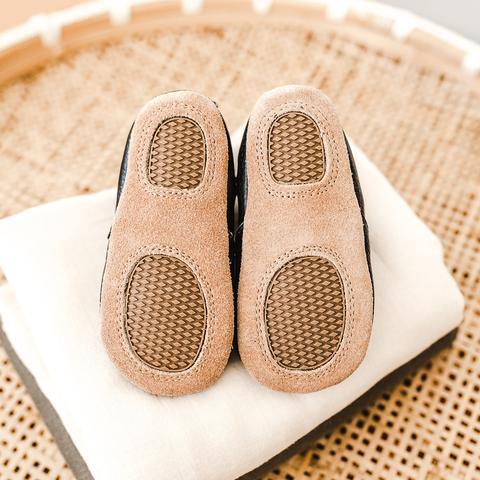
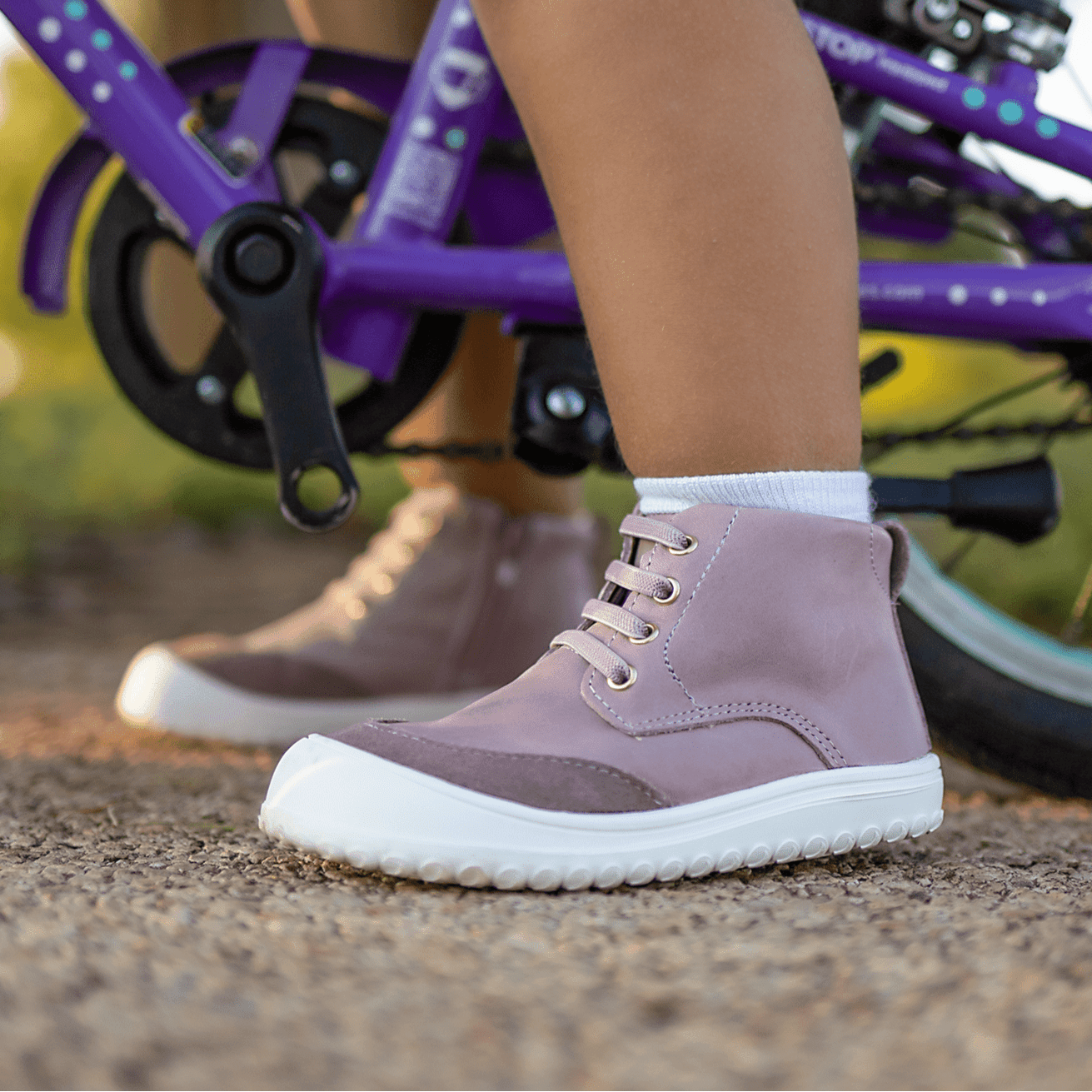
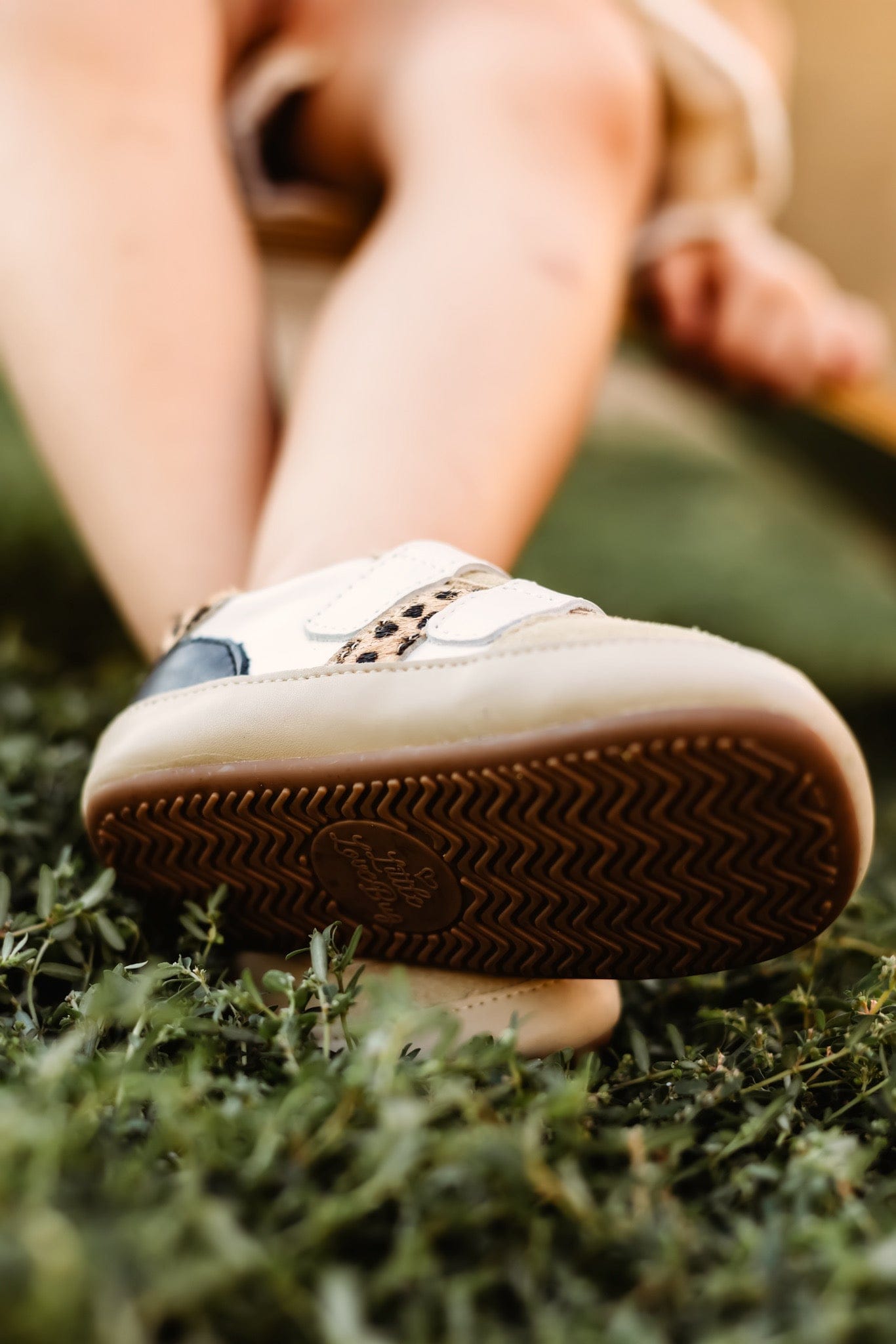
As parents, we always want to give our children the best possible start in life. We buy them healthy foods, encourage them to exercise and play, and provide them with the necessary tools to succeed in school. One essential tool that is often overlooked, however, is the right footwear. Research has shown that poor footwear can lead to gait changes, alignment issues, and even foot deformities. This is especially true for children, whose feet are still developing. That's why choosing the right shoes for your little ones is crucial for their future health.Barefoot shoes have been gaining popularity in recent years for their ability to allow developing feet to spread out and move naturally. These shoes mimic the feeling of being barefoot, providing a more natural and comfortable experience. This is especially important for kids, whose feet need room to grow and move freely. When children wear shoes that restrict their movement or squeeze their feet too tightly, it can cause long-term problems.To learn more about how shoes affect the body, check out our article on the Benefits of Barefoot Shoes! In it, you'll find information on how barefoot shoes can improve posture, strengthen muscles, and reduce the risk of injury.If you're interested in finding barefoot shoe options for your kids, check out We've compiled a list of everyday, winter, and summer options to help you find the perfect shoes for your little ones. And if you're looking for something a little more fancy, we've got you covered too! Here are some great barefoot dress shoe options for babies and toddlers from the Little Love Bug Company:1. Little Love Bug Company Moccasin - These adorable leather shoes are perfect for special occasions. They come in a variety of colors and have a simple, classic design that will match any outfit. 2. Little Love Bug Company Soft Sole Shoe - Little Love Bug Company is known for their high-quality, handmade shoes that are designed to mimic the feeling of being barefoot. The Soft Sole Shoe is no exception, with its soft leather and flexible sole. 3. Little Love Bug Company Bootie - If you're looking for something a little more casual, the Little Love Bug Company Bootie is a great option. These shoes have a sporty look but are still appropriate for dressier occasions. They also have a wide toe box, which allows for natural foot movement. 4. Little Love Bug Company Mary Jane Shoe - These adorable Mary Jane-style shoes are perfect for little girls who want to feel fancy. They have a flexible sole and a wide toe box, making them a great option for developing feet. 5. Little Love Bug Company Sandal - If you're looking for a more gender-neutral option, the Little Love Bug Company Sandal is a great choice. These sandals are made from soft leather and have a wide toe box, allowing for natural foot movement. They also have a flexible sole, making them perfect for running and playing. In conclusion, choosing the right shoes for your kids is crucial for their future health. Barefoot shoes are a great option for allowing developing feet to spread out and move naturally. And with so many great options available from the Little Love Bug Company, there's no reason not to give them a try!
Learn moreThe Ultimate Guide to Toe Spacers: Benefits, Safety, and Best Products
When Should You Wear Toe Spacers? A Comprehensive Guide to Foot CareToe spacers are a simple and effective tool for promoting healthy feet. They are used to help realign the toes, which can improve circulation, reduce pain, and prevent foot problems. But when should you wear them, and are they safe to wear at night? And what about your children - should they wear toe spacers too? In this article, we'll answer all of these questions and more, so you can make informed decisions about your foot health.When to Wear Toe SpacersToe spacers are typically worn during the day while walking or standing, but can also be worn while resting or sleeping. If you have a specific foot condition or are experiencing pain or discomfort, you may benefit from wearing toe spacers on a regular basis. Some common conditions that may benefit from toe spacers include:- Bunions- Hammertoes- Plantar fasciitis- Overlapping toes- Morton's neuromaIf you have any of these conditions or are experiencing foot pain or discomfort, you should speak with your doctor or a podiatrist to determine if toe spacers are right for you.Is It Safe to Wear Toe Spacers at Night?While there is no harm in wearing toe spacers at night, it may not be necessary for everyone. If you have a specific foot condition or are experiencing pain or discomfort at night, wearing toe spacers may help alleviate your symptoms. However, if you are not experiencing any foot pain or discomfort at night, wearing toe spacers may not be necessary.Toe Spacers for ChildrenToe spacers are generally not recommended for children under the age of 12, as their feet are still growing and developing. However, if your child has a specific foot condition or is experiencing pain or discomfort, you should speak with their pediatrician or a podiatrist to determine if toe spacers are appropriate.What to Look for in Toe SpacersWhen selecting toe spacers, there are a few important factors to consider:- Size: Toe spacers should fit comfortably and not be too tight or too loose. Make sure to measure your foot or consult the sizing chart provided by the manufacturer.- Material: Toe spacers can be made from various materials, including silicone, gel, or foam. Choose a material that is comfortable and will not irritate your skin.- Design: Toe spacers can come in various shapes and designs, such as loops or straight separators. Choose a design that will work best for your foot condition and provide the most relief.Best Reviewed Toe SpacersThere are many different brands and types of toe spacers available on the market. Some of the best-reviewed options include:- YogaToes GEMS: Made from medical-grade gel, these toe spacers can help improve circulation, relieve pain, and realign toes.- NatraCure Gel Toe Separators: These flexible silicone toe spacers can be worn while walking or resting, and can help alleviate foot pain and discomfort.- Dr. Frederick's Original Gel Toe Separators: Made from soft and flexible gel, these toe spacers can help relieve pain and discomfort from bunions and other foot conditions.Remember to always consult with your doctor or podiatrist before using toe spacers, especially if you have a specific foot condition or are experiencing foot pain or discomfort. With the right toe spacers and foot care routine, you can improve your foot health and live a more comfortable, pain-free life.
Learn more
When Do Babies' Eyes Change Color? Understanding the Process and What to Expect
The color of a baby's eyes can change in the first few months of life, and many parents wonder when and why these changes occur. Here's what you need to know:Why Babies' Eyes Change Color:The color of a baby's eyes is determined by the amount and type of pigmentation in the iris, which can change in the first few months of life as the baby's body produces more melanin. At birth, many babies have blue or gray eyes due to the lack of melanin in the iris. However, as the baby grows and develops, their body begins to produce more melanin, which can change the color of their eyes.When to Expect Changes:Most babies' eye color changes occur within the first 6-9 months of life, although it can take up to a year or longer for the eyes to settle into their permanent color. The exact timing of these changes can vary depending on genetics and other factors.Factors That Affect Eye Color:Eye color is determined by genetics, and the specific combination of genes inherited from parents can influence the final color of a baby's eyes. However, it's not always possible to predict exactly what color a baby's eyes will be based on their parents' eye colors.Some factors that can affect the final color of a baby's eyes include:1. The amount and type of melanin in the iris2. Genetics, including both parents' eye colors3. Exposure to light, which can stimulate melanin production4. Health conditions that affect melanin production, such as albinismWhen to Be Concerned:In most cases, changes in a baby's eye color are normal and nothing to be concerned about. However, if a baby's eyes seem to be changing color rapidly or unevenly, or if the baby's pupils appear to be different sizes, it's important to contact a doctor for evaluation. These symptoms can indicate underlying health conditions that require medical attention.In conclusion, babies' eye color can change in the first few months of life as their body produces more melanin. Most changes occur within the first 6-9 months of life, but it can take up to a year or longer for the eyes to settle into their permanent color. While changes in eye color are usually normal and nothing to be concerned about, it's important to contact a doctor if there are any rapid or uneven changes, or if other concerning symptoms are present.
Learn moreUnleashing Your Child's Inner Explorer: The Benefits of Encouraging Outdoor Exploration and Nature Learning
In today's technology-driven world, children spend an increasing amount of time indoors and glued to screens. However, encouraging children to go outside and explore nature can have numerous benefits for their physical and mental well-being, as well as their education.When children are given the opportunity to explore nature, they can engage in activities that promote creativity, critical thinking, and problem-solving skills. By observing the natural world around them, children can develop an understanding of science, biology, and ecology. They can also learn about the importance of conservation and sustainability, and how they can play a role in protecting the environment.Exploring nature can also have a positive impact on children's physical health. Spending time outdoors can improve cardiovascular health, boost the immune system, and increase physical activity levels. Additionally, research has shown that exposure to natural environments can reduce stress, anxiety, and symptoms of attention deficit hyperactivity disorder (ADHD).Parents can encourage their children to explore nature by taking them on hikes, camping trips, or visits to national parks or nature preserves. Parents can also provide opportunities for children to play in their own backyard or local park, allowing them to use their imagination and creativity to discover the wonders of the natural world.It's important to note that when children explore nature, they should be supervised and taught to respect and care for the environment. Parents can teach children about the importance of leaving no trace and being mindful of wildlife and ecosystems.In conclusion, encouraging children to go outside and explore nature can have numerous benefits for their physical and mental well-being, as well as their education. By promoting creativity, critical thinking, and problem-solving skills, and teaching children about science, biology, and ecology, parents can help their children develop a love and respect for the natural world that will benefit them throughout their lives.
Learn moreWhy Barefoot Shoes are the Best Choice for Gym and Training Workouts
When it comes to training in the gym, many people opt for shoes with a lot of cushion and a raised heel, believing that these features will provide better support and prevent injuries. However, the truth is that training in shoes with a lot of cushion and a raised heel can actually do more harm than good.Shoes with a lot of cushioning can interfere with the natural movements of the foot, causing instability and reducing the effectiveness of certain exercises. Additionally, a raised heel can cause the body to shift forward, putting additional stress on the knees and lower back.Despite this, major shoe brands like Nike continue to market heavily-cushioned and high-heeled shoes for gym use. While these shoes may look stylish and be popular among gym-goers, they may not be the best choice for optimal performance and injury prevention.On the other hand, barefoot shoes, also known as minimalist shoes, are designed to mimic the feeling of being barefoot, allowing for natural movement and greater stability. By providing a thin, flexible sole and minimal cushioning, barefoot shoes encourage proper alignment and can help strengthen the muscles in the feet and legs.Studies have also shown that barefoot shoes can improve balance, reduce the risk of injury, and enhance overall performance in gym and training settings. However, it's important to note that transitioning to barefoot shoes can take time, as the foot muscles need to adapt to the new movements and stimuli.In conclusion, when it comes to training in the gym, it's best to opt for shoes with minimal cushioning and a flat sole. While major shoe brands like Nike may dominate the market, barefoot shoes should be considered as a better option for optimal performance and injury prevention. By encouraging natural movement and strengthening the muscles in the feet and legs, barefoot shoes can help individuals achieve their fitness goals safely and effectively.
Learn moreNatural Health, Natural Training, and Barefoot Shoes: The Latest Trends in Wellness
Natural health and natural training have become increasingly popular in recent years as people look for alternative ways to improve their physical and mental well-being. This article will explore what natural health and natural training mean and how they can benefit individuals.Natural health refers to using natural methods to promote health and well-being, rather than relying on pharmaceuticals or other conventional treatments. This includes things like herbal remedies, acupuncture, and homeopathy. Natural health practitioners believe that the body has the ability to heal itself and that by supporting the body's natural healing processes, individuals can achieve optimal health.Natural training, on the other hand, refers to using natural movements and techniques to improve physical fitness and performance. This includes things like bodyweight exercises, yoga, and functional training. Natural training focuses on movements that mimic the way the body naturally moves and functions, rather than isolating individual muscles.There are many benefits to both natural health and natural training. One of the main benefits is that they are generally safer and have fewer side effects than conventional treatments and training methods. Additionally, natural health and natural training can be more affordable and accessible to a wider range of people.Another benefit of natural health and natural training is that they often focus on the root cause of health issues, rather than just treating symptoms. By addressing underlying imbalances in the body, natural health and natural training can help individuals achieve long-term health and wellness. In addition to natural health and natural training, another trend that has emerged in recent years is the use of barefoot shoes. Barefoot shoes are designed to mimic the feeling of being barefoot, allowing the foot to move naturally and develop strength and flexibility. This can help improve overall foot health and reduce the risk of injury.Many natural health and natural training enthusiasts prefer to use barefoot shoes because they allow for a more natural gait and encourage proper alignment of the body. Barefoot shoes also help to strengthen the muscles in the feet and legs, which can improve balance and stability.It's important to note that transitioning to barefoot shoes can take time, as the foot muscles need to adapt to the new movements and stimuli. It's recommended to start slowly and gradually increase the amount of time spent wearing barefoot shoes.In conclusion, barefoot shoes are another aspect of natural health and natural training that can benefit individuals looking to improve their physical well-being. By allowing the foot to move naturally and strengthening the muscles in the feet and legs, barefoot shoes can help improve balance, stability, and overall foot health. If you're interested in trying barefoot shoes, it's important to start slowly and work with a qualified professional to ensure a safe and effective transition.However, it's important to note that natural health and natural training should not be used as a substitute for conventional medical treatments or training methods. In some cases, conventional treatments or training methods may be necessary to address serious health issues or achieve specific fitness goals.In conclusion, natural health and natural training are becoming increasingly popular as people seek alternative ways to improve their physical and mental well-being. By focusing on natural methods and movements, individuals can achieve optimal health and fitness in a safe, effective, and affordable way. If you're interested in natural health or natural training, it's important to work with a qualified practitioner or trainer to ensure that you're getting the best possible care and guidance.
Learn more
The Little Love Bug Company: The Better Choice for Baby's Barefoot Shoe Health
Freshly Picked is a company that became famous for their soft-soled moccasin baby shoes. Founded in 2009 by Susan Petersen, the brand quickly gained popularity and became a go-to choice for parents looking for high-quality baby footwear. However, despite the early success, the company eventually faced some challenges and leveled out. This article will explore why Freshly Picked took off and what led to their leveling out. We will also discuss the Little Love Bug Company, which has emerged as a better company for barefoot shoe health.Freshly Picked gained popularity due to their innovative design, high-quality materials, and clever marketing (hello Shark Tank!). The soft-soled moccasins were designed to mimic the feeling of being barefoot, which is important for the development of healthy feet in babies. The shoes were also stylish, with a variety of colors and patterns to choose from. The company's marketing strategy was also effective, with social media influencers and celebrities helping to spread the word about the brand.However, as Freshly Picked grew, they faced some challenges. One of the main issues was the price point of their shoes, which were on the expensive side compared to other baby footwear options. Additionally, as the market for baby shoes became more crowded, the company struggled to differentiate themselves from the competition. This led to a leveling out of their growth and popularity.Enter the Little Love Bug Company, a newcomer in the baby shoe market that has emerged as a better option for barefoot shoe health. The company was founded by a mother who wanted to create shoes that were both stylish and healthy for baby feet. The shoes are made with high-quality, eco-friendly materials and are designed to promote healthy foot development. The shoes also have a wide toe box and flexible sole, which allows for natural movement and development of the foot muscles.In addition to their commitment to barefoot shoe health, the Little Love Bug Company also offers a more affordable price point compared to Freshly Picked. The company also has a strong social media presence and a loyal customer base.In conclusion, Freshly Picked initially took off due to their innovative design, high-quality materials, and clever marketing. However, as the market for baby shoes became more crowded and competition increased, the company struggled to maintain their growth. The Little Love Bug Company has emerged as a better option for barefoot shoe health, with their commitment to high-quality materials, healthy foot development, and affordable price point. As the baby shoe market continues to evolve, it will be interesting to see how other companies emerge and compete in this space.
Learn moreRelieving Foot Pain: Natural Remedies and Prevention for Bunions and Hammer Toe
Bunions and hammer toe are two common foot conditions that can cause discomfort and pain. Although they have different causes, they share a common link in that they both involve the abnormal positioning of the toes. In this article, we will discuss the symptoms of bunions and hammer toe, their causes, and natural remedies that can help alleviate the pain associated with these conditions.Bunions and Hammer Toe: Symptoms and CausesBunions are bony bumps that form at the base of the big toe, causing it to bend towards the other toes. They often develop over time as a result of wearing tight, narrow shoes that squeeze the toes together. The symptoms of bunions include pain, swelling, redness, and difficulty moving the affected toe.On the other hand, hammer toe is a condition in which the middle joint of one or more toes bends upwards, causing the toe to curl downwards. It can be caused by wearing shoes that are too tight or too high, or by a muscle or nerve imbalance in the foot. The symptoms of hammer toe include pain, stiffness, and difficulty walking.Preventing Bunions and Hammer ToeThere are several steps you can take to prevent bunions and hammer toe from developing. These include:1. Wear comfortable shoes: Avoid wearing shoes that are too tight, too narrow, or too high. Choose shoes that are comfortable, provide enough room for your toes to move freely, and have a low heel.2. Stretch your feet: Regularly stretching your feet and toes can help improve their flexibility and prevent muscle imbalances.3. Maintain a healthy weight: Excess weight can put extra pressure on your feet and toes, increasing the risk of developing bunions and hammer toe.4. Have flat soles: They can help distribute the weight of your body evenly across your feet and reduce the pressure on your toes.Natural Remedies for Bunions and Hammer ToeThere are several natural remedies that can help alleviate the pain associated with bunions and hammer toe. These include:1. Ice: Applying ice to the affected area can help reduce inflammation and relieve pain.2. Massage: Massaging the affected area can help improve circulation, reduce stiffness, and alleviate pain.3. Epsom salt soak: Soaking your feet in warm water mixed with Epsom salt can help reduce inflammation and relieve pain.4. Barefoot shoes: Wearing barefoot shoes, which are designed to mimic the feeling of walking barefoot, can help improve foot strength and flexibility, reduce the pressure on your toes, and prevent bunions and hammer toe from developing.ConclusionBunions and hammer toe are two common foot conditions that can cause discomfort and pain. They share a common link in that they both involve the abnormal positioning of the toes. However, with proper prevention and natural remedies, you can alleviate the symptoms and prevent these conditions from developing. Wearing comfortable shoes, stretching your feet, maintaining a healthy weight, and using orthotics can help prevent bunions and hammer toe. Additionally, natural remedies such as ice, massage, Epsom salt soaks, and barefoot shoes can help alleviate pain and improve foot health.
Learn more
Understanding Plantar Fasciitis: Causes, Symptoms, and Natural Remedies, including the Benefits of Barefoot Shoes
Plantar fasciitis is a condition that causes pain and discomfort in the heel and bottom of the foot. It occurs when the plantar fascia, a band of tissue that runs from the heel to the toes, becomes inflamed and irritated. Some common symptoms of plantar fasciitis include:1. Pain and stiffness in the heel or bottom of the foot, typically worse in the morning or after prolonged periods of rest.2. Sharp or stabbing pain that may feel like a bruise or ache along the arch of the foot.3. Tenderness or soreness in the heel or bottom of the foot, particularly when standing or walking for long periods of time.4. Swelling or redness in the affected area, although this is less common.5. Pain that increases over time and may be exacerbated by certain activities, such as running or jumping. Plantar fasciitis is typically caused by repetitive strain and stress to the plantar fascia, the band of tissue that runs along the bottom of the foot from the heel to the toes. This strain can result in small tears in the fascia, leading to inflammation and pain. Some common factors that may contribute to the development of plantar fasciitis include: Overuse or sudden increase in physical activity: Participating in activities that put repetitive stress on the feet, such as running or jumping, can increase the risk of developing plantar fasciitis. A sudden increase in physical activity can also put additional strain on the fascia. Foot mechanics: Abnormal foot mechanics, such as flat feet or high arches, can place additional stress on the plantar fascia and increase the risk of developing plantar fasciitis. Improper footwear: Wearing shoes with poor arch support or inadequate cushioning can increase the risk of developing plantar fasciitis. Age: Plantar fasciitis is more common in individuals over the age of 40, as the plantar fascia can become less flexible and more prone to injury with age. Obesity: Excess weight can put additional stress on the feet and increase the risk of developing plantar fasciitis. By identifying and addressing these risk factors, individuals can potentially reduce their risk of developing plantar fasciitis or prevent it from recurring. Wearing barefoot shoes can potentially help alleviate plantar fasciitis by allowing the foot to move and function more naturally, and by providing a more supportive environment for the foot.Here are some ways that barefoot shoes may benefit individuals with plantar fasciitis:1. Strengthen the muscles of the foot: Barefoot shoes typically have minimal cushioning and support, which means that the foot has to work harder to maintain stability and balance. This can help to strengthen the muscles of the foot, which may reduce the strain on the plantar fascia.2. Improve flexibility and range of motion: Barefoot shoes allow the foot to move more naturally, which can help to improve flexibility and range of motion. This may reduce the risk of developing plantar fasciitis, and may also help to alleviate symptoms in individuals who already have the condition.3. Provide a more supportive environment for the foot: Many barefoot shoes have a wider toe box and a more anatomical shape than traditional shoes, which can provide a more supportive environment for the foot. This can help to reduce the strain on the plantar fascia, and may also improve overall foot health.In addition to wearing barefoot shoes, there are other natural remedies that may help to alleviate the symptoms of plantar fasciitis, including:1. Stretching exercises: Stretching the calf muscles and the plantar fascia can help to reduce pain and improve flexibility.2. Ice therapy: Applying ice to the affected area can help to reduce inflammation and alleviate pain.3. Foot massages: Massaging the foot can help to improve circulation and reduce tension in the muscles and fascia.4. Rest and recovery: Giving the foot time to rest and recover can help to reduce inflammation and promote healing.It is important to note that barefoot shoes may not be appropriate for everyone, especially those with pre-existing foot conditions or injuries. If you are experiencing foot pain or discomfort, it is important to consult with a healthcare professional before starting any new treatment or exercise program.
Learn more