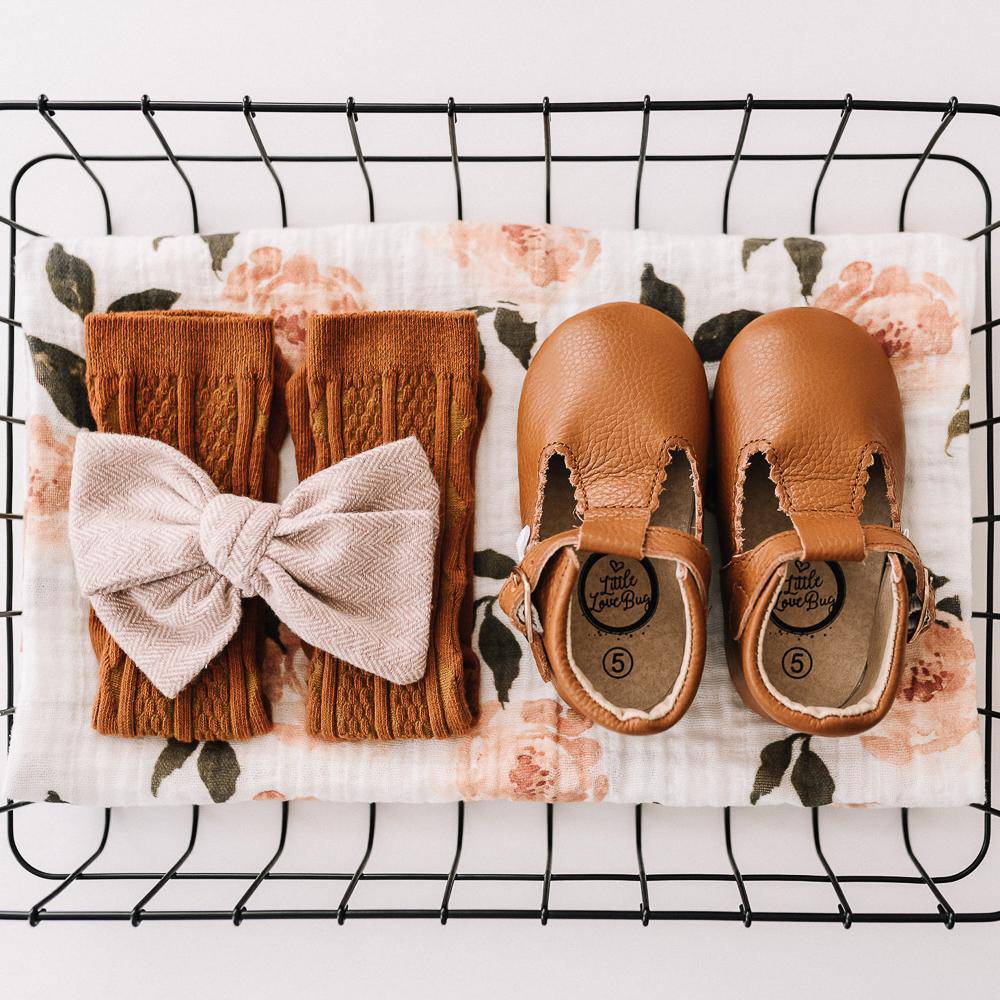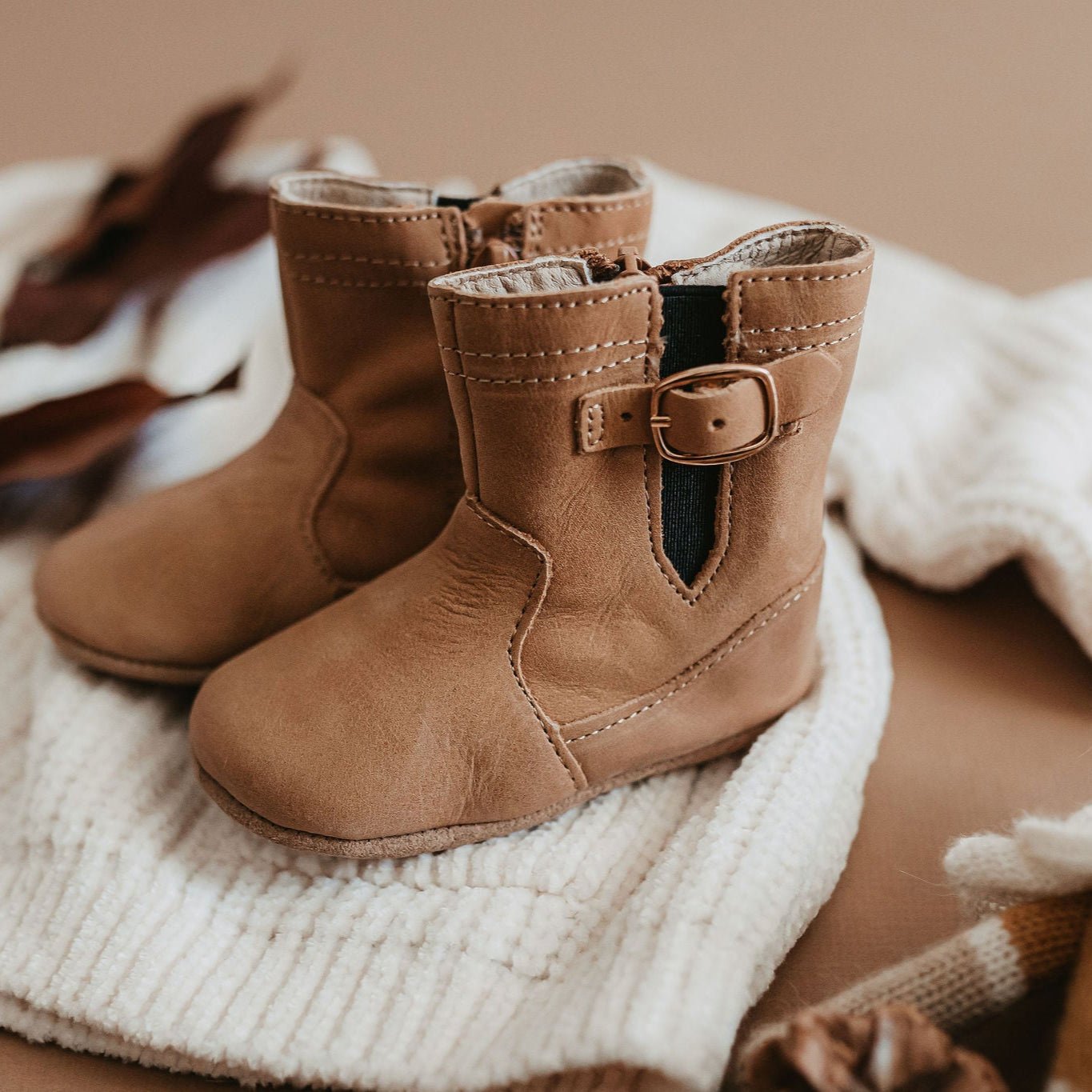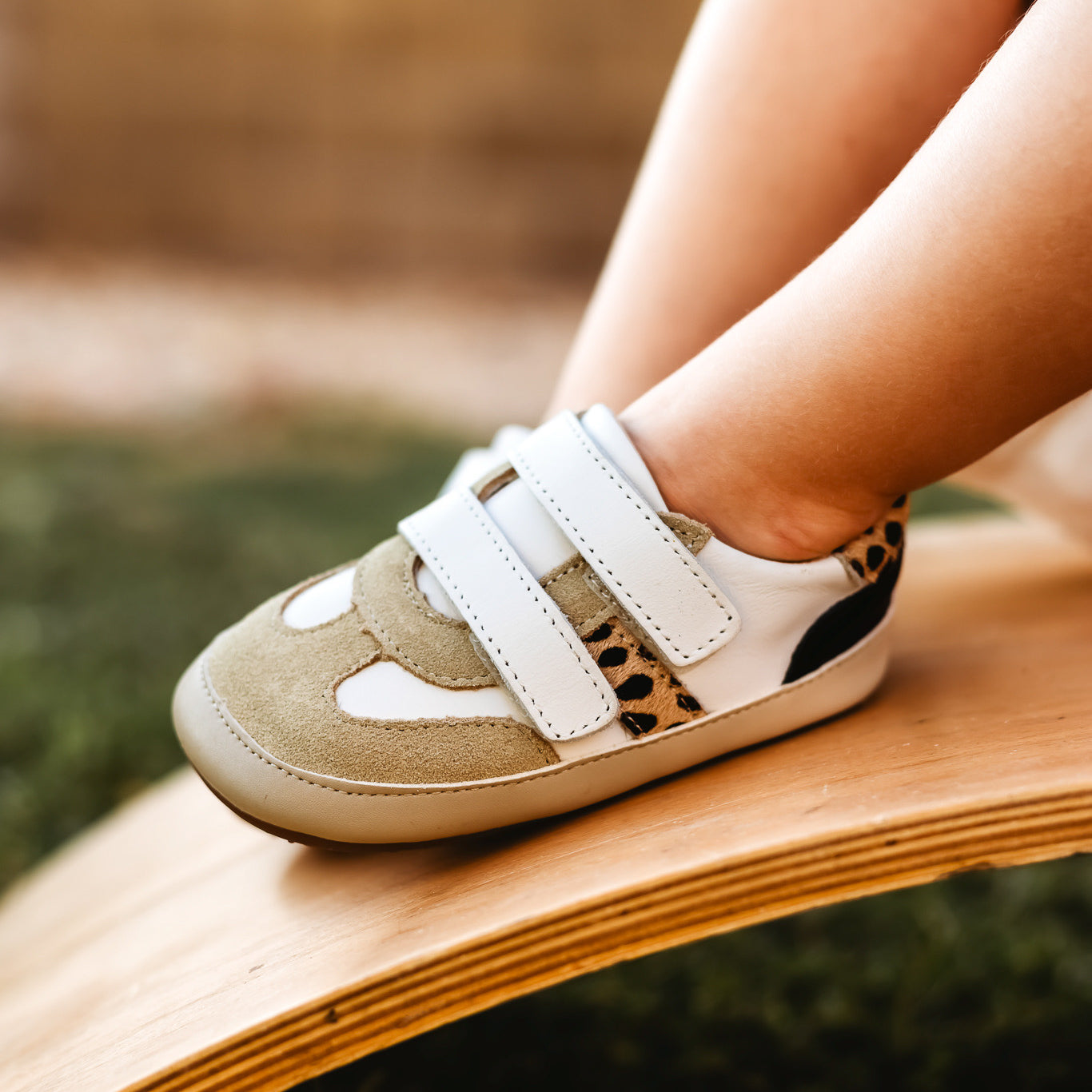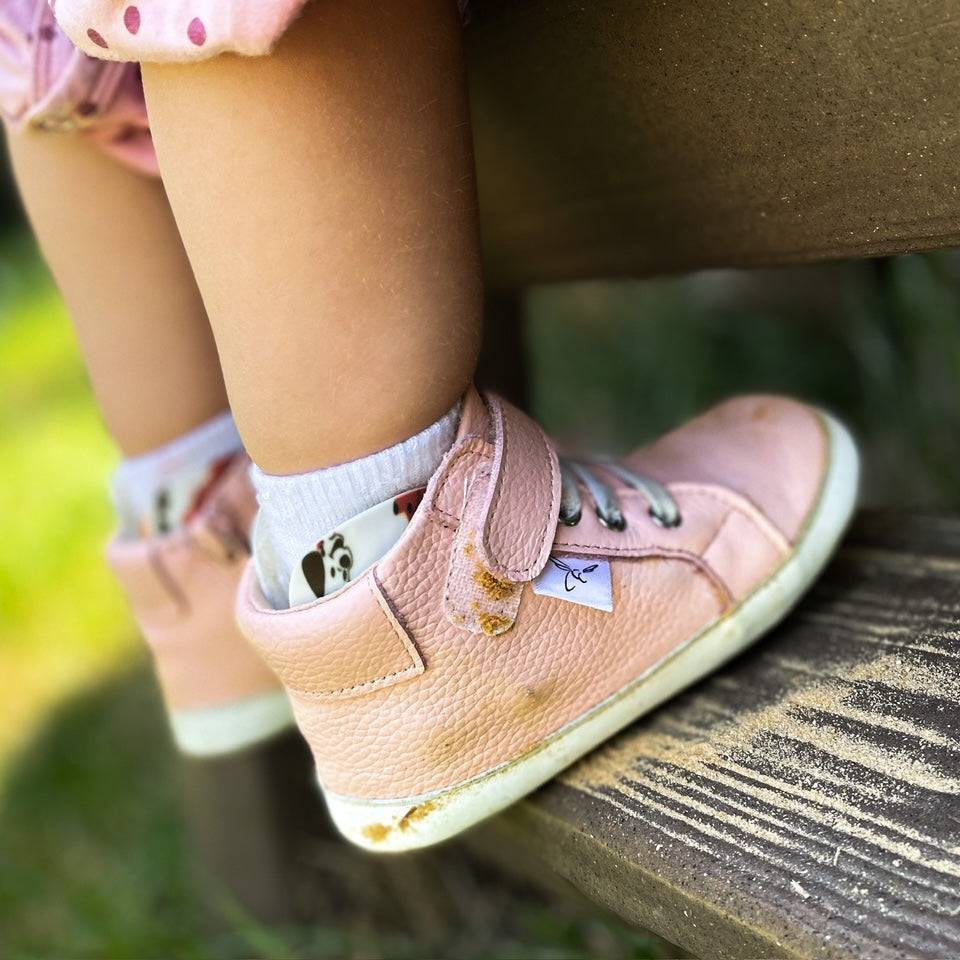

Hey there, Mamas!
As a mom myself, I know we all want what’s best for our kiddos...especially when it comes to their growing little feet. Did you know that your child’s foot contains 26 bones, 33 joints, and over 100 muscles, tendons, and ligaments? Plus, each foot has about 200,000 nerve endings! That’s why choosing the right footwear, like soft-soled minimalist shoes, is crucial for their healthy foot development.
Why Soft-Soled, Minimalist Shoes?
When our little ones are born, their feet are incredibly soft and flexible, mostly made up of cartilage. During the first two years of life, children’s feet undergo rapid development and begin forming bone structures and arches. This crucial time calls for footwear that supports natural foot growth without restrictions. Soft-soled minimalist shoes allow your child’s toes plenty of room to splay naturally, promoting proper balance and stability (Staheli, 1999).
Benefits of Wide Toe Boxes
Shoes with a wide toe box allow the toes to spread naturally and comfortably. Unlike traditional footwear, minimalist shoes designed specifically for children provide ample space, promoting healthy alignment and foot strength. Allowing the toes to splay naturally helps prevent issues like bunions and hammertoes, while also supporting better balance and coordination (Wegener et al., 2011).
Zero Drop Soles for Natural Foot Movement
Zero drop soles—where the heel and forefoot are at the same level...encourage natural foot positioning and mimic barefoot walking. These soles help develop muscle strength, coordination, and proper walking posture by allowing the foot muscles and tendons to stretch and engage as nature intended. Research supports zero drop shoes as a way to avoid unnatural stress on the feet and joints that thicker, elevated soles can cause (Franklin et al., 2015).
The Problem with Traditional Children’s Shoes
Many athletic shoes marketed for toddlers have thick rubber soles, hard, narrow toe boxes, and excessive arch support. These features restrict natural foot movement, potentially leading to improper gait patterns, muscle imbalances, and long-term issues like flat feet or poor posture. Traditional rigid shoes limit sensory feedback from the ground, hindering balance and coordination development.
Why Barefoot is Best (and When Shoes Are Needed)
While barefoot play is fantastic for foot development, our little explorers often need shoes for protection outdoors. Minimalist shoes provide the perfect compromise...they protect tiny feet while allowing unrestricted movement. Soft-soled, flexible shoes with breathable materials like leather mimic barefoot conditions, giving feet the chance to develop optimally while staying protected.
Choosing the Right Shoes for Healthy Development
Here’s what to look for when selecting minimalist shoes:
Wide Toe Box
Lets toes naturally splay for stability and balance.
Zero Drop Sole
Supports natural alignment of feet, ankles, and legs.
Flexible Materials
Leather or canvas options provide breathability and movement.
Soft and Thin Soles
Allow natural foot motion, muscle strengthening, and proper sensory feedback.
Little Feet, Big Impact
Switching to minimalist shoes with soft soles, wide toe boxes, and zero drop heels can have long-lasting positive effects on your child’s foot health and overall physical development. Your child will benefit from improved balance, better posture, and stronger foot muscles, preparing them for active, healthy lives.
Trust me, Mama...these small changes in footwear make a huge difference. Let’s support our kiddos’ growing feet the way nature intended!
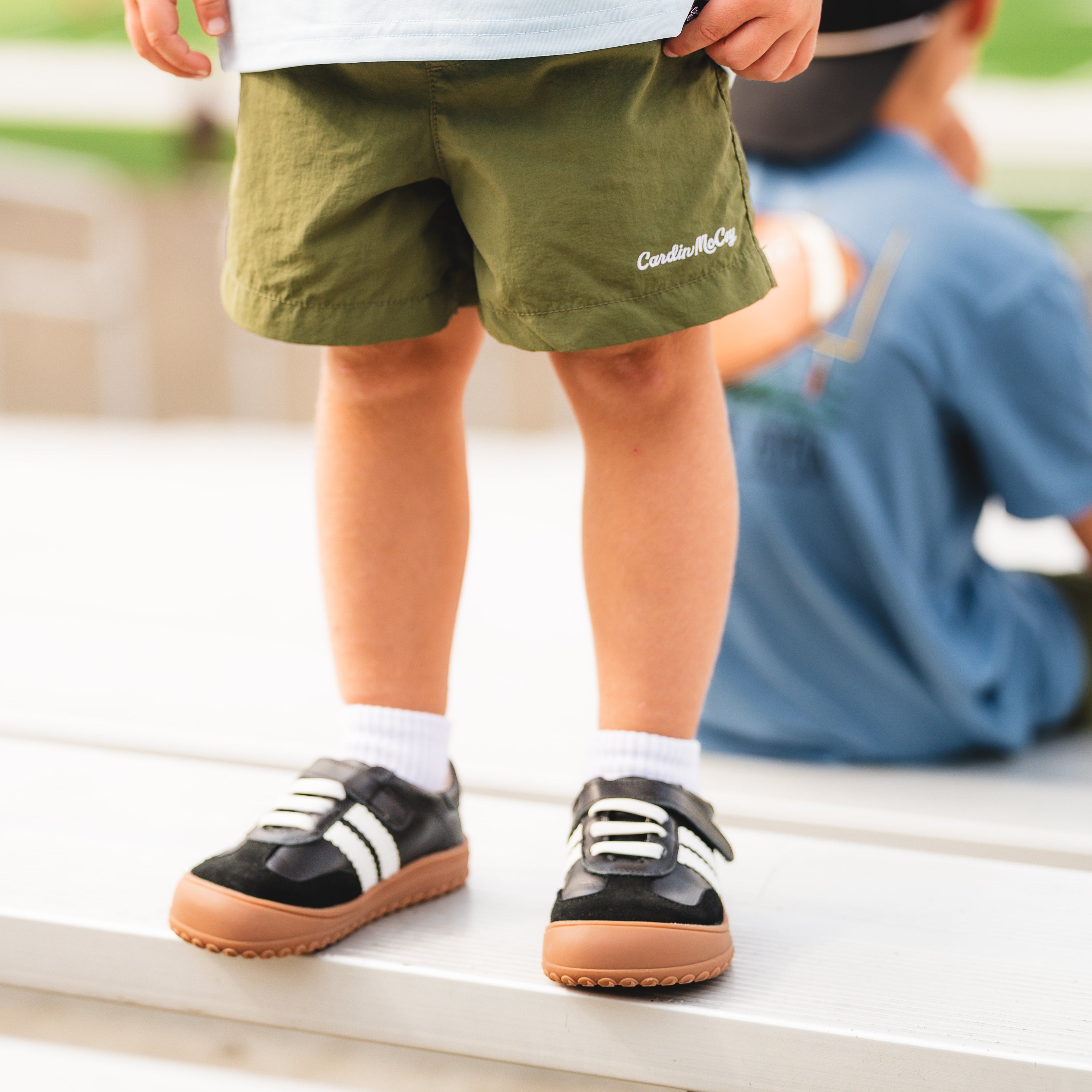
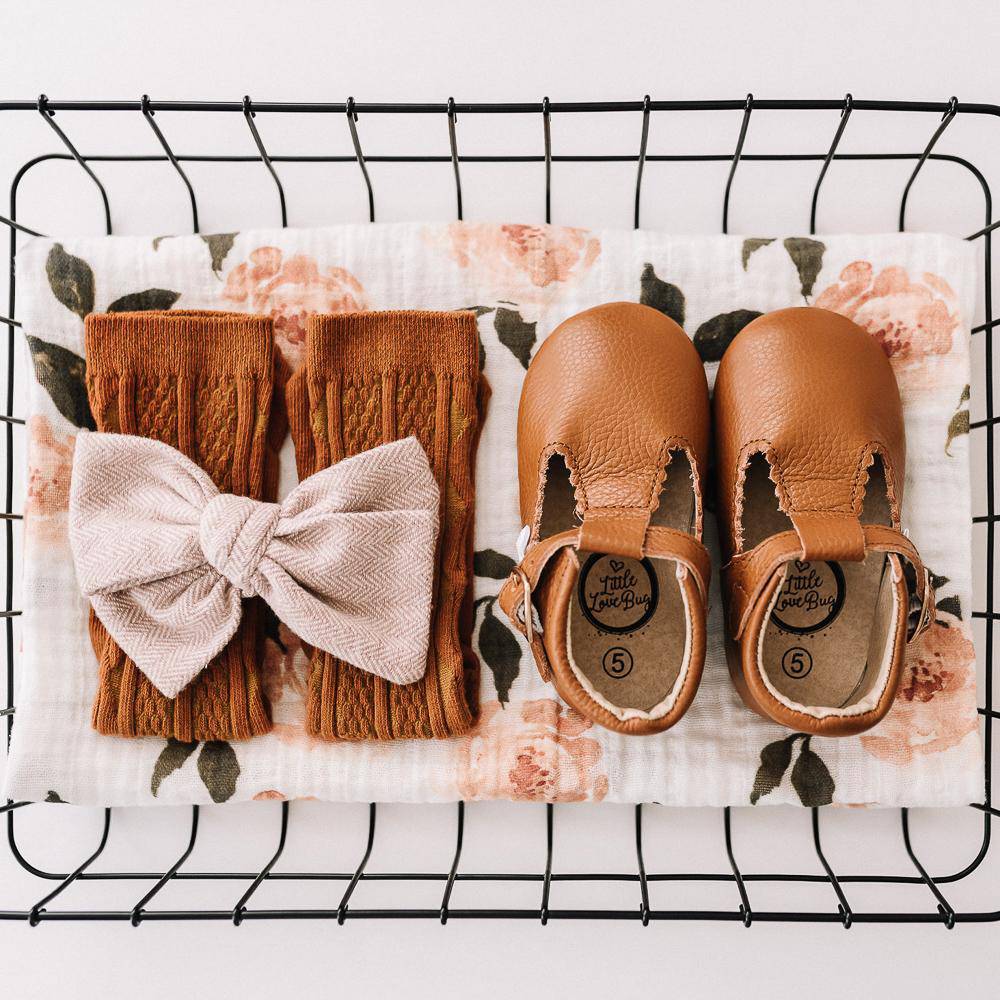
At Little Love Bug Company, we believe in giving kids the freedom to explore without restrictions. Our barefoot shoes are made with soft, durable materials that move with your child’s feet, not against them. Whether they’re splashing in puddles, climbing at the playground, or running through a field of wildflowers, our shoes let them feel the world beneath their feet…just as nature intended.
So, if you’re ready to give your little one the best foundation for movement, check out our latest collection of barefoot shoes. Trust me, once you see the difference, you’ll never go back!
👉 Shop Now & Let Their Feet Explore Freely!
What’s your toddler’s favorite outdoor activity? Drop a comment below—We’d love to hear all about their little adventures! 💛
Frequently Asked Questions
1. What are barefoot shoes, and how are they different from regular kids’ shoes?
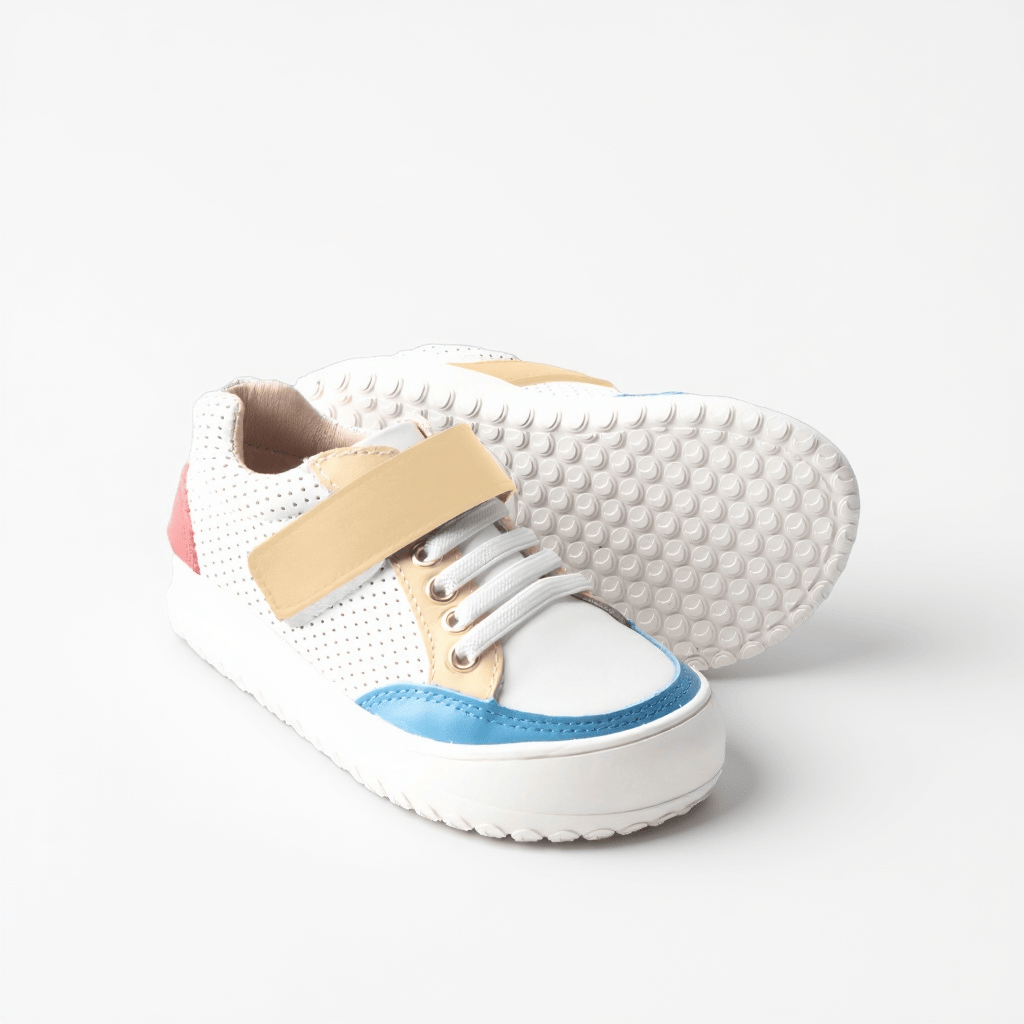
Barefoot shoes are designed to mimic the feeling of walking barefoot while still providing protection. Unlike traditional kids' shoes, which often have stiff soles and thick cushioning, barefoot shoes have:
✅ Flexible, thin soles that allow for natural foot movement
✅ Wide toe boxes to let little toes spread and grow properly
✅ Zero-drop soles (flat from heel to toe) for better posture and balance
2. Are barefoot shoes good for first walkers and toddlers?
Absolutely! Barefoot shoes are actually one of the best choices for first walkers because they allow a baby’s feet to develop naturally. Toddlers learn to balance, grip the ground, and move more confidently when their feet are unrestricted.
Many pediatricians and podiatrists recommend soft, flexible shoes for little ones just learning to walk. Barefoot shoes provide just enough protection while still letting them feel and connect with the ground beneath them.
3. Do kids need arch support in their shoes?
Nope! This is a common misconception. Babies and toddlers are born with flat feet, and their arches naturally develop over time as they walk, run, and strengthen their foot muscles.
Overly supportive shoes can actually weaken the muscles that are supposed to develop arches naturally. That’s why barefoot shoes are designed to let kids' feet move and grow without restriction, helping them build strong, healthy arches over time.
4. Can my child wear barefoot shoes in all seasons?
Yes! Barefoot shoes come in a variety of styles for year-round wear. In warmer months, lightweight and breathable options keep little feet cool and comfortable. For fall and winter, there are lined and water-resistant barefoot shoes that keep feet warm without compromising flexibility.
Plus, many parents love layering with wool socks for extra warmth while still allowing for a full range of motion in colder months.
5. Will my child’s feet get stronger from wearing barefoot shoes?
Yes! Wearing barefoot shoes allows kids to use their feet the way nature intended—gripping, balancing, and strengthening muscles with every step. Over time, this helps improve:
✅ Foot strength and muscle development
✅ Better posture and balance
✅ More natural movement and coordination
Many parents notice their kids become more confident and agile when wearing barefoot shoes because their feet are free to move naturally.
This design helps strengthen foot muscles, improve coordination, and support healthy development, perfect for growing toddlers and active kids!
Learn more about why barefoot shoes are important for child foot development:
How barefoot and conventional shoes affect the foot and gait characteristics in toddlers
Gimunová M, Kolářová K, Vodička T, Bozděch M, Zvonař M (2022) How barefoot and conventional shoes affect the foot and gait characteristics in toddlers. PLOS ONE 17(8): e0273388. https://doi.org/10.1371/journal.pone.0273388
Love the Science?
Franklin, S., Grey, M. J., Heneghan, N., Bowen, L., & Li, F. X. (2015). Barefoot vs common footwear: A systematic review of the kinematic, kinetic, and muscle activity differences during walking. Gait & Posture, 42(3), 230-239. https://doi.org/10.1016/j.gaitpost.2015.05.019
Staheli, L. T. (1999). Shoes for children: A review. Pediatrics, 103(4), 861-862. https://doi.org/10.1542/peds.103.4.861
Wegener, C., Hunt, A. E., Vanwanseele, B., Burns, J., & Smith, R. M. (2011). Effect of children’s shoes on gait: A systematic review and meta-analysis. Journal of Foot and Ankle Research, 4(1), 3. https://doi.org/10.1186/1757-1146-4-3