A baby’s foot is a remarkable part of their growing body and vastly different from that of an adult. Understanding how to care for your baby’s feet through every developmental stage is crucial, as healthy foot development directly impacts gross motor skills and balance, essential for the transition from crawling to standing and eventually walking independently. At Little Love Bug Company, shoes are thoughtfully designed to support each stage of your child’s growth. Here’s what you should know about nurturing healthy and comfortable feet in your growing child.

Understanding Baby Foot Development
Baby feet undergo several distinct stages:
Birth to 6 Months: At this stage, feet are primarily cartilage, soft and not yet capable of bearing weight.
8 to 10 Months: Most babies begin standing with support. The cartilage starts hardening to support weight, and muscles and bones become stronger.
9 to 17 Months: Babies typically take their first independent steps during this period. The foot structure becomes more defined, muscles strengthen significantly, and bones begin to fuse, forming a more adult-like foot shape.
Research emphasizes the importance of barefoot activity and the use of flexible footwear in early childhood to support natural foot development (Staheli, 1999).
Essential Facts About Your Baby’s Feet
Rapid Growth: On average, a baby’s feet grow up to four shoe sizes within the first year.
Bone Formation: Initially, a baby’s foot contains no bones—just cartilage. Over time, the 26 bones that constitute the adult foot form.
Complex Structure: Eventually, a child’s foot develops 33 joints and over 100 muscles, tendons, and ligaments, most of which form within the first few years of life.
Flat Feet Are Normal: Babies are naturally born with flat feet; the arch develops gradually as muscles strengthen and bones fuse.
Fat Padding: Babies’ feet have fat pads along the arches, making arch support unnecessary during infancy.
Selecting Proper Footwear
Choosing the right footwear at every developmental stage is critical for proper foot health:
Replace Shoes Frequently: Due to rapid growth, shoes and socks may need replacement every few months to ensure a proper fit.
Avoid Arch Support: Opt for shoes without built-in arch support. The sole should be thin and flexible to facilitate muscle strength and natural foot movement.
Allow Room for Growth: Avoid overly tight footwear, especially between 9 to 18 months, to prevent developmental restrictions.
Flexible and Breathable Fabrics: Choose shoes made from breathable materials that conform to the baby’s foot shape, reducing perspiration and preventing discomfort or chafing.
Soft-Soled Shoes: Maintain soft-soled footwear for at least the first two years, even after your child begins walking independently, to promote healthy muscle and ligament development.
Little Love Bug Shoes for Every Stage
At Little Love Bug Company, we recognize the unique developmental stages your child undergoes. Our shoes feature:
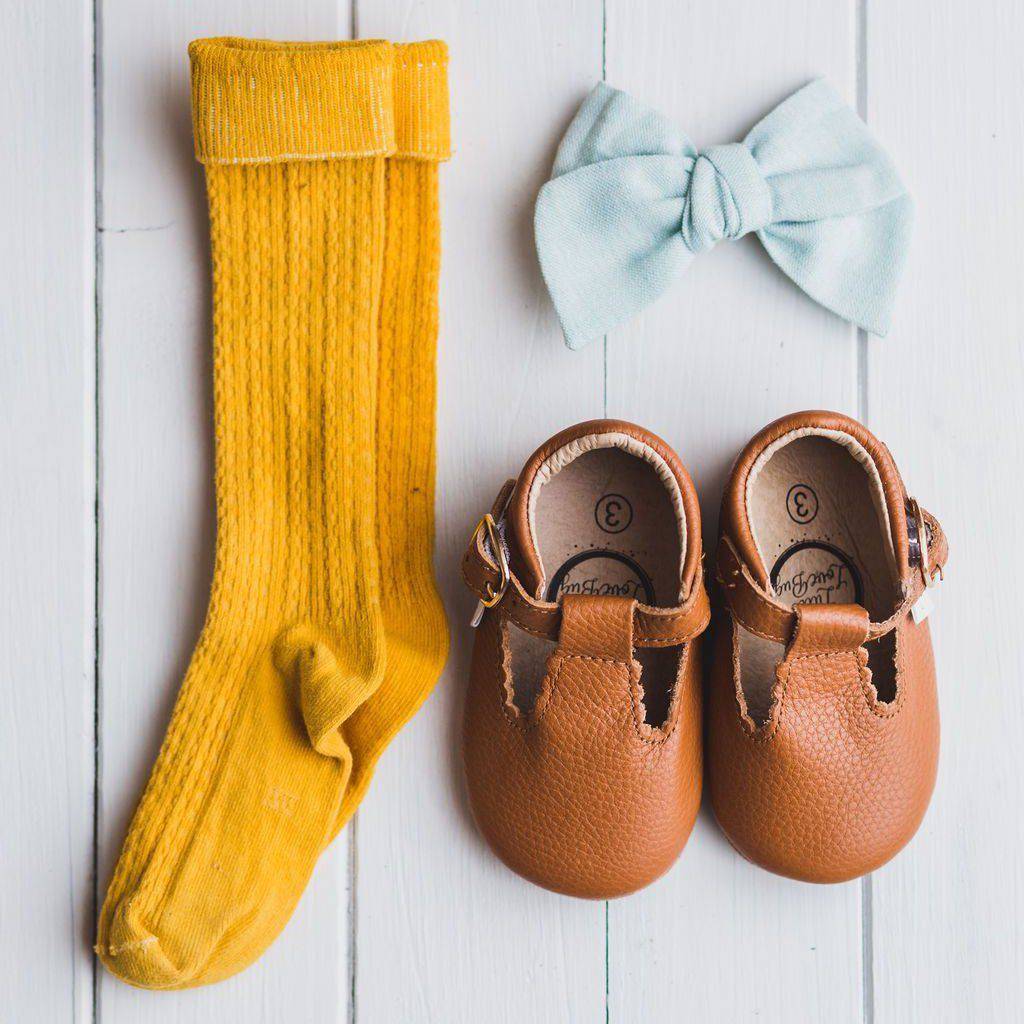
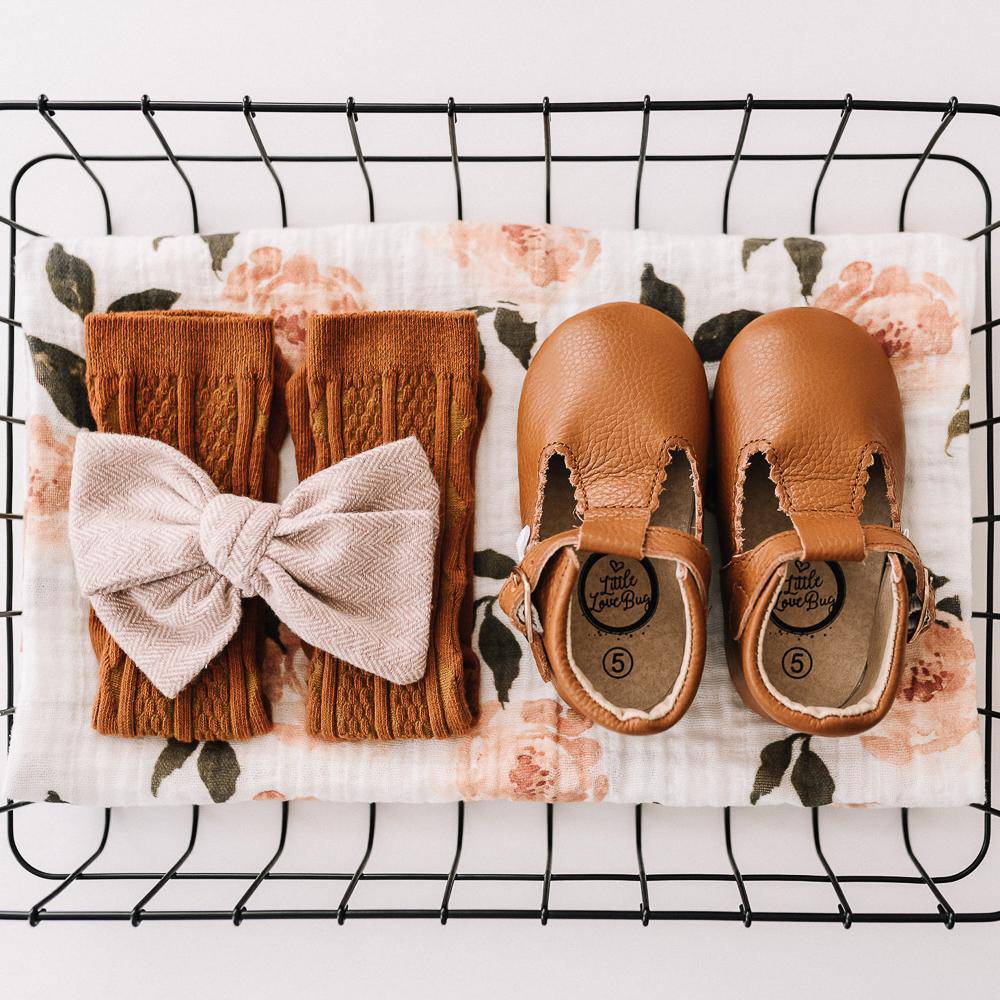
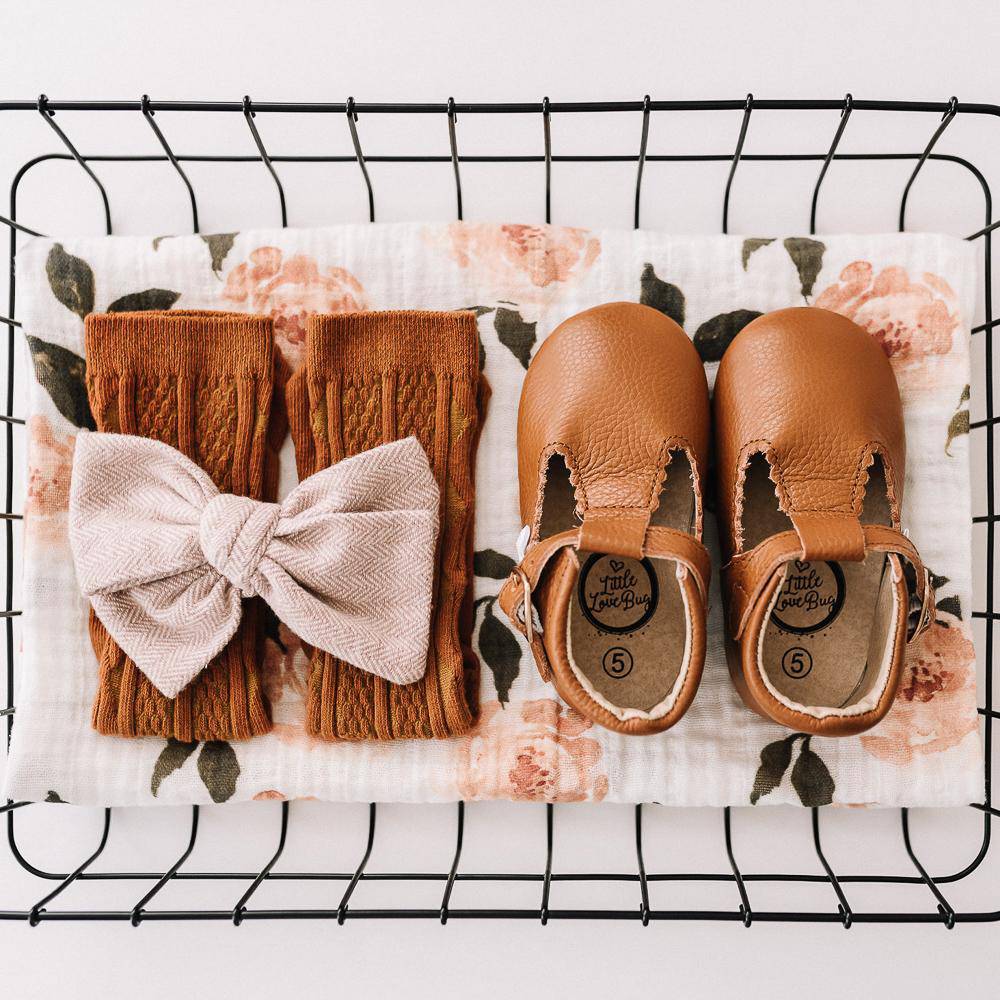
No-Slip Moccasins: Designed to ensure safety and comfort.
Easy On-and-Off: Convenient for parents and comfortable for babies.
Flexible Soles: Encourage natural foot movement, strength, and growth.
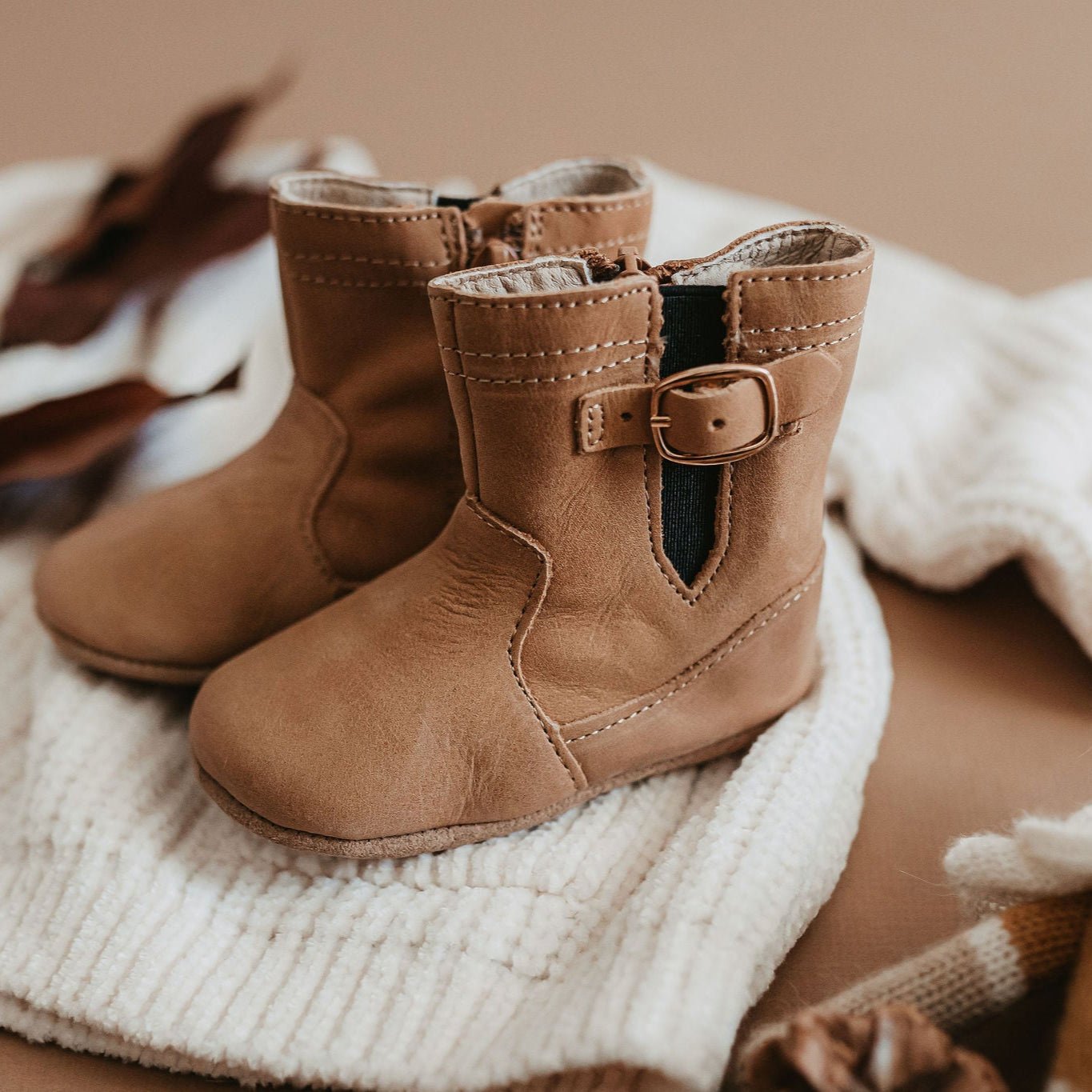
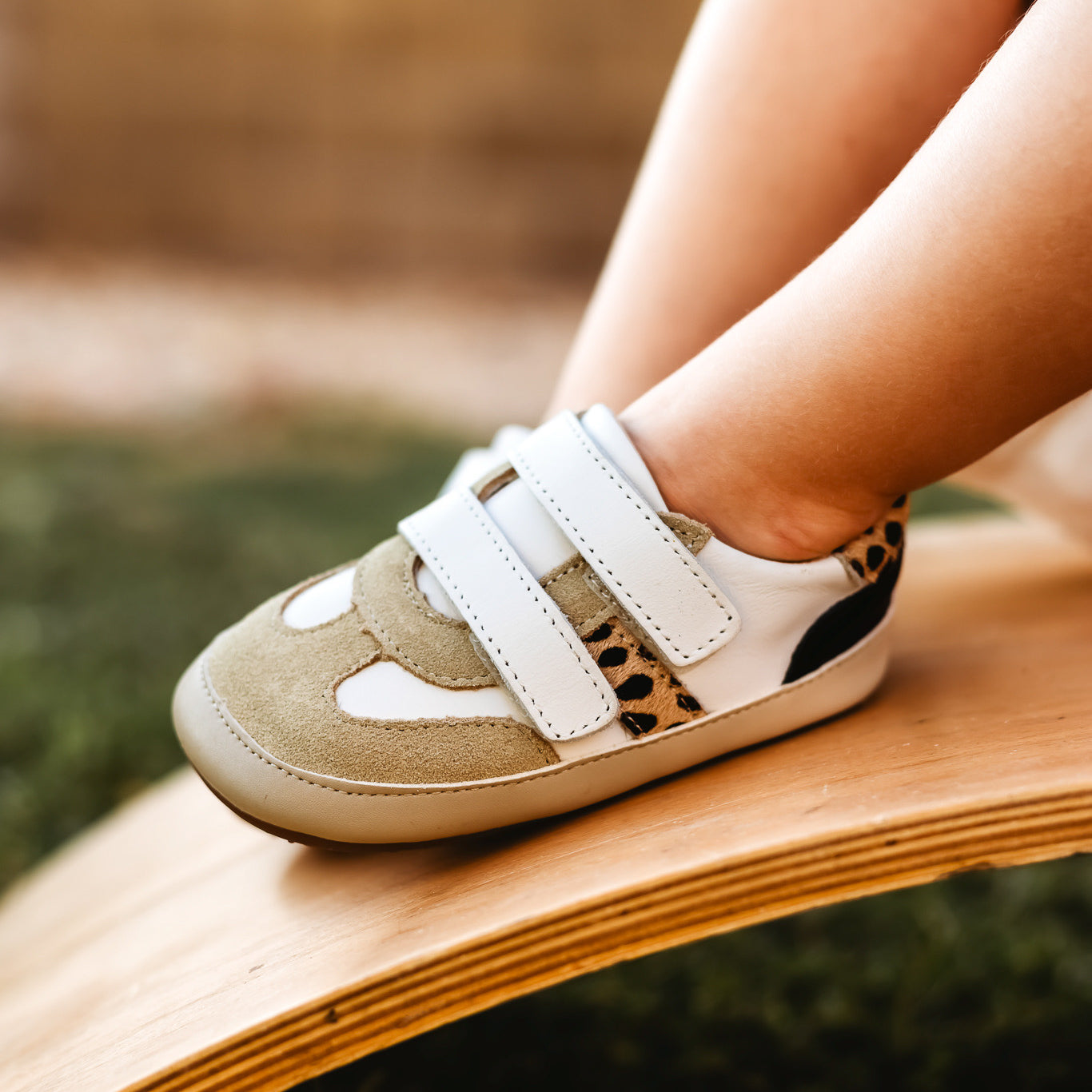
Fashionable Choices: A variety of stylish options, blending functionality with adorable designs.
Trust Little Love Bug to provide the best possible footwear to foster your child’s healthy and natural foot development.
Reference
Staheli, L. T. (1999). Shoes for children: A review. Pediatrics, 103(4), 861-862. https://doi.org/10.1542/peds.103.4.861

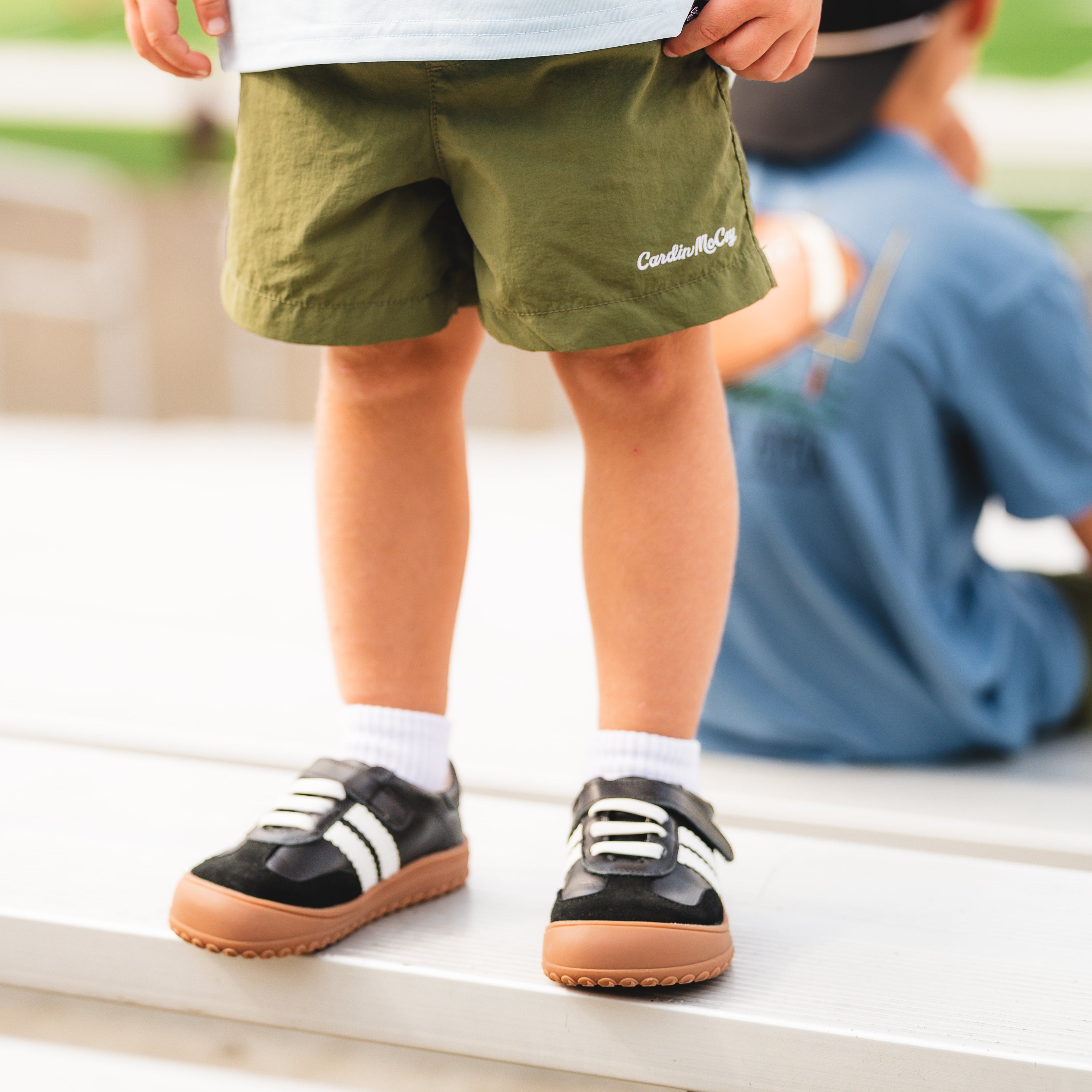
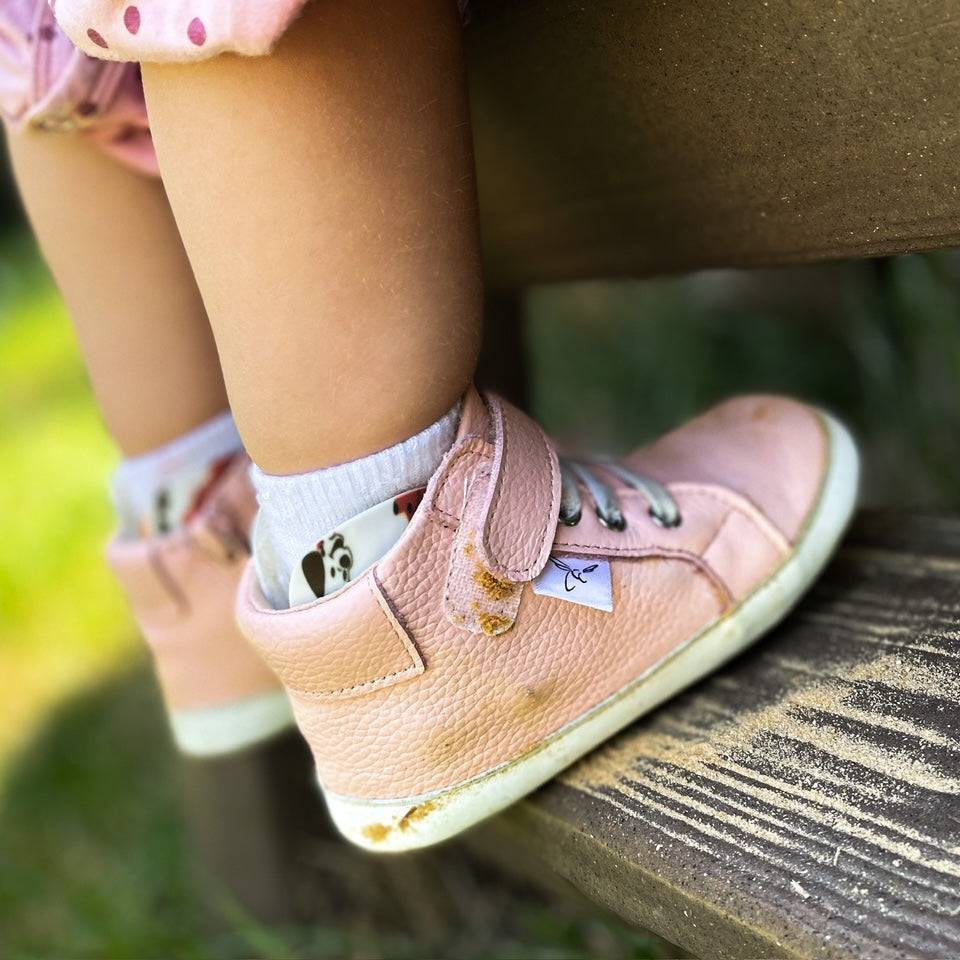
At Little Love Bug Company, we believe in giving kids the freedom to explore without restrictions. Our barefoot shoes are made with soft, durable materials that move with your child’s feet, not against them. Whether they’re splashing in puddles, climbing at the playground, or running through a field of wildflowers, our shoes let them feel the world beneath their feet…just as nature intended.
So, if you’re ready to give your little one the best foundation for movement, check out our latest collection of barefoot shoes. Trust me, once you see the difference, you’ll never go back!
👉 Shop Now & Let Their Feet Explore Freely!
What’s your toddler’s favorite outdoor activity? Drop a comment below—We’d love to hear all about their little adventures! 💛
Frequently Asked Questions
1. What are barefoot shoes, and how are they different from regular kids’ shoes?
Barefoot shoes are designed to mimic the feeling of walking barefoot while still providing protection. Unlike traditional kids' shoes, which often have stiff soles and thick cushioning, barefoot shoes have:
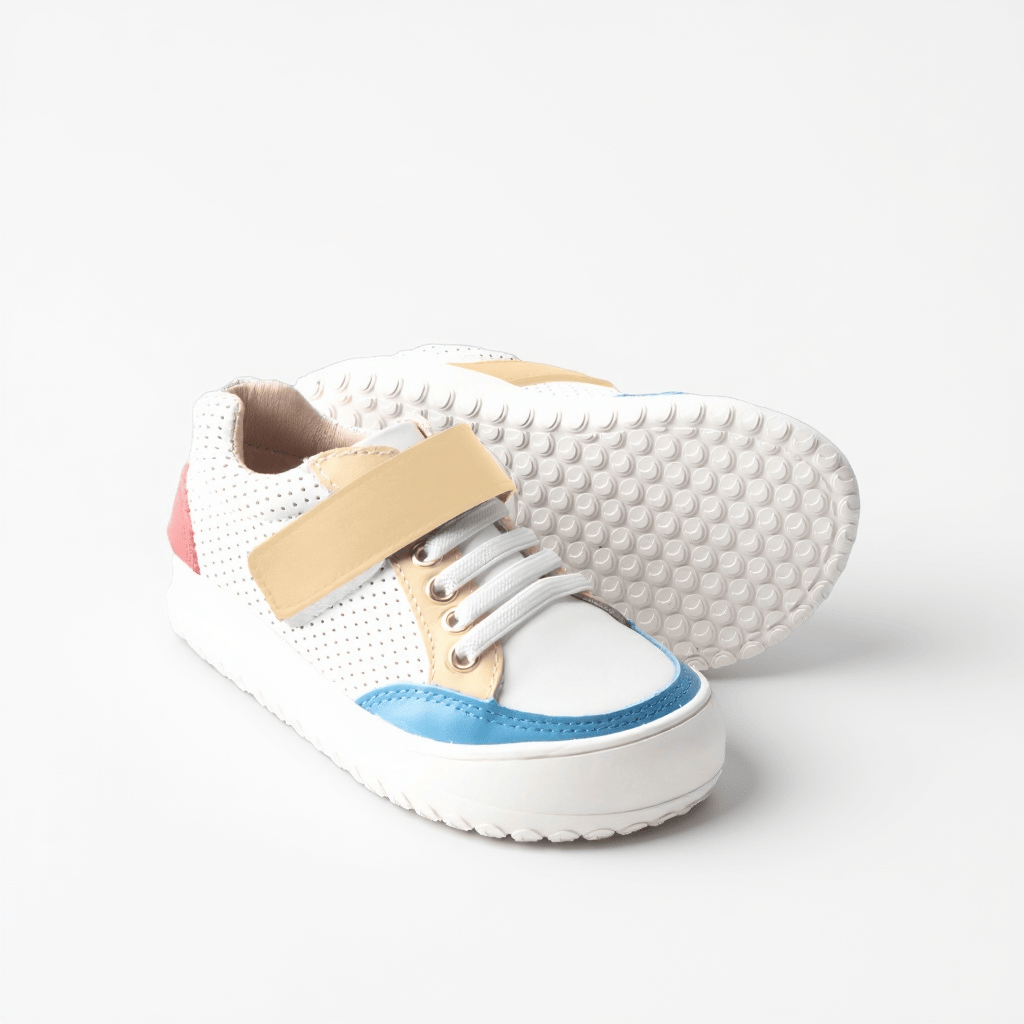
✅ Flexible, thin soles that allow for natural foot movement
✅ Wide toe boxes to let little toes spread and grow properly
✅ Zero-drop soles (flat from heel to toe) for better posture and balance
2. Are barefoot shoes good for first walkers and toddlers?
Absolutely! Barefoot shoes are actually one of the best choices for first walkers because they allow a baby’s feet to develop naturally. Toddlers learn to balance, grip the ground, and move more confidently when their feet are unrestricted.
Many pediatricians and podiatrists recommend soft, flexible shoes for little ones just learning to walk. Barefoot shoes provide just enough protection while still letting them feel and connect with the ground beneath them.
3. Do kids need arch support in their shoes?
Nope! This is a common misconception. Babies and toddlers are born with flat feet, and their arches naturally develop over time as they walk, run, and strengthen their foot muscles.


2 comments
Great information, thank you!
I agree buying your baby shoes are so important. Never use a hand me down as each babies food grows differently. You never want to mold your child’s foot in a used shoes. Always natural breath thru fibers. Little love bugs a favorite