News
Flexible Soles are Important for Shoes – Here’s Why!
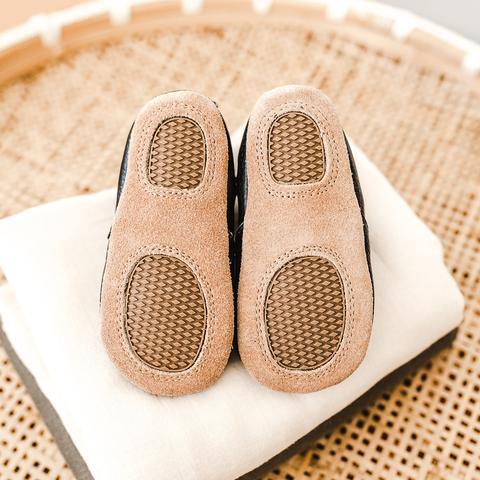
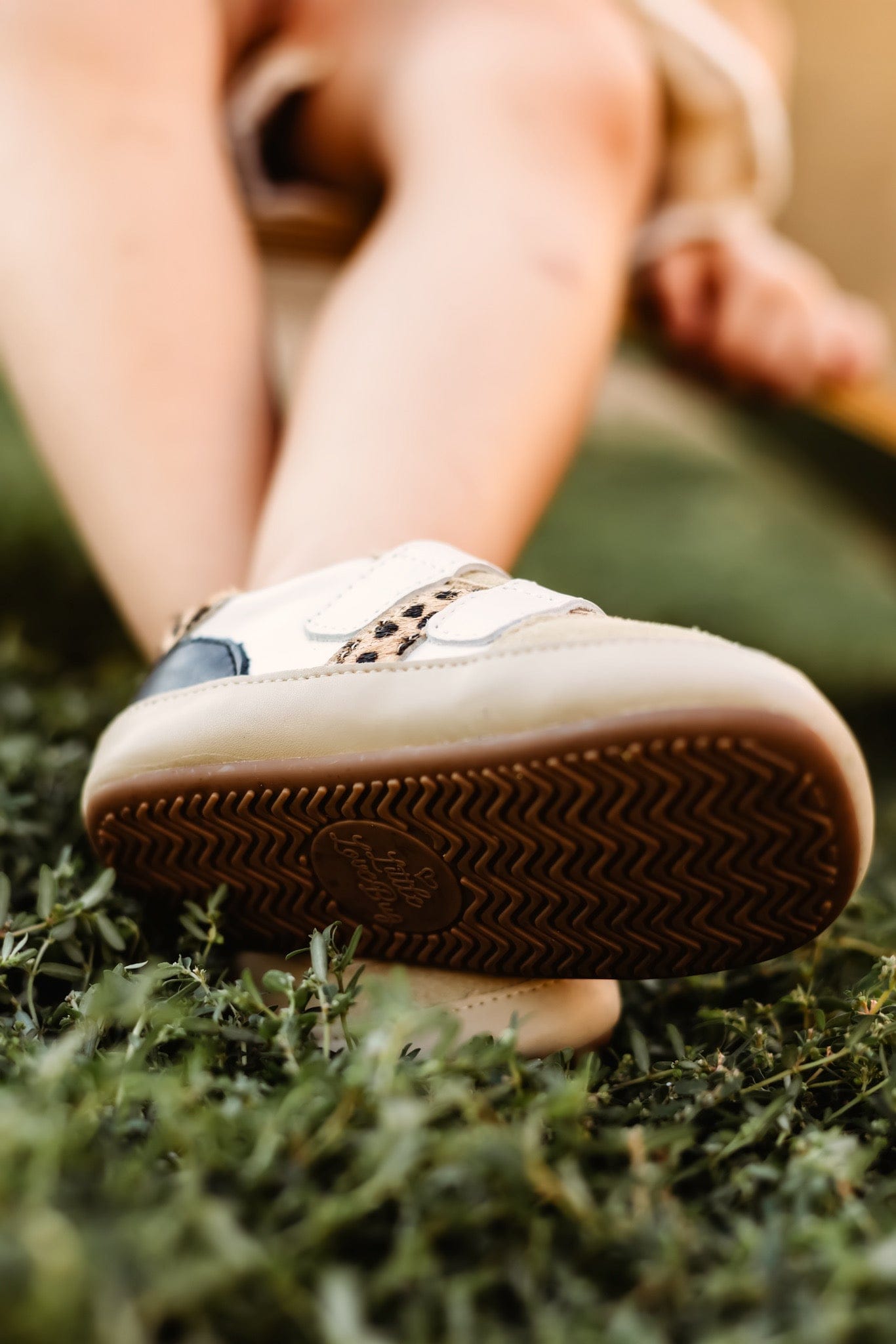
Shoes are an essential part of any wardrobe, and for good reason. Not only do they protect our feet from the elements and hazards, but they also provide comfort and support. One of the most important aspects of a good pair of shoes is the sole – specifically, its flexibility. Flexible soles are important in shoes for several reasons, which we’ll discuss in this blog post.They Improve ComfortOne of the most important reasons why flexible soles are so important in shoes is that they improve comfort. Flexible soles are designed to provide cushioning and absorb shock, which helps to reduce foot fatigue. This makes them ideal for athletes, people who spend a lot of time on their feet, or anyone who values comfort in their shoes.Flexible soles also help to reduce friction between your feet and the ground, which helps to prevent blisters and other types of skin irritation. This can make walking, running, and other physical activities more comfortable and enjoyable. Additionally, the flexibility of the soles allows your feet to move naturally with each step, which can reduce strain on your feet and joints. All of these factors can contribute to greater comfort throughout the day.They Minimize Foot FatigueFlexible soles are essential for providing cushion and support to your feet, helping to reduce fatigue. Foot fatigue is caused by the impact of standing or walking on hard surfaces and can cause pain in the feet and legs. Without adequate cushioning, your feet become more prone to fatigue and the pressure on your feet can eventually lead to pain. With flexible soles, your feet are supported and have more shock absorption, which helps to minimize foot fatigue. The cushioning provided by flexible soles also helps to reduce pressure on the feet when standing or walking for long periods of time, preventing painful foot fatigue.They Provide Better Shock AbsorptionHaving a flexible sole on your shoes is important because it helps to absorb shock when you take each step. This is especially true if you’re running or walking on hard surfaces like concrete. Flexible soles can help reduce the impact of each step, resulting in less strain and fatigue for your feet, ankles, and legs. In addition, it can help reduce the risk of injury by cushioning and protecting your feet as you walk or run. A flexible sole also provides better traction, so you can move more confidently over different terrain.They Help with PostureHaving flexible soles in your shoes can make a big difference when it comes to posture. Flexible soles provide cushioning and arch support which helps keep your feet and lower body in an optimal position, reducing strain on the joints and muscles. They also allow your feet to move naturally, allowing you to stand and walk correctly with proper posture. This can help reduce fatigue and minimize pain in the back, hips, and legs. The flexibility of the sole also helps absorb shock and provide traction, which helps prevent slips and falls. All of this adds up to improved overall posture, better balance, and less stress on the body.They Promote Natural MovementFlexible soles are especially important when it comes to promoting natural movement. Our feet were not designed to be held in one place for long periods of time, so having flexible soles that move with your feet can help reduce fatigue and joint pain. This is especially important for people who stand for long periods of time or have jobs that involve a lot of walking. Having flexible soles allows the foot to move freely without any restriction, enabling you to walk more efficiently and comfortably.The flexibility of the sole also helps to improve balance and agility. Having flexible soles prevents the feet from becoming rigid and allows them to adapt to different surfaces. This means you’re less likely to slip on wet surfaces or trip over uneven terrain, making it easier to navigate obstacles in your path. It also helps keep your feet planted firmly on the ground, which improves your stability when you’re walking or running. Overall, having flexible soles helps your feet move naturally, allowing you to enjoy greater comfort and improved performance. With the right pair of shoes, you can be sure that your feet are supported and comfortable, no matter how far you walk or run.
Learn more
The Importance of a Wide Toe Box in Shoes
Having a good pair of shoes is essential for keeping your feet healthy and comfortable. But did you know that one of the most important aspects of a shoe is its toe box? A wide toe box in your shoes is crucial for providing adequate space for your toes to move and breathe, allowing for maximum comfort and support. In this blog post, we'll take a closer look at why having a wide toe box in your shoes is so important.Helps with natural foot developmentHaving a wide toe box in shoes is incredibly important for healthy foot development. A wide toe box allows your toes to splay out naturally and provides ample room for them to move and grow. This allows your feet to develop as they should, with strong bones, ligaments, and muscles that can support your body weight properly. Shoes with a wide toe box can also help prevent the formation of corns and calluses, which form due to excess friction when your toes are squeezed together. Gives your toes room to spread outHaving a wide toe box in your shoes gives your toes room to spread out. That's important because if your toes are too confined, it can cause them to become crooked and misaligned. This can lead to a range of problems, such as blisters, calluses, corns, and hammertoes.Giving your toes the freedom to move can help ensure that they remain in the correct position and that their development remains natural. Without a wide toe box, your toes could be forced into an unnatural shape, which can cause a range of issues.Having a wide toe box also allows your toes to spread out when you walk or run, which can improve balance and reduce the risk of slipping or falling. Plus, with more room to move, your toes can better absorb impact and help protect the muscles, ligaments, and bones of your feet from injury.Reduces the risk of bunions and black toenailsA wide toe box is important for shoes because it helps reduce the risk of bunions and black toenails. Bunions are bony bumps that form on the side of the foot, while black toenails are caused by too much pressure on the toenail from tight-fitting shoes. Having a wide toe box in your shoes helps to alleviate some of this pressure and make sure your toes aren’t cramped together. This helps prevent the formation of bunions and black toenails, both of which can be quite painful and uncomfortable. More comfortableWhen it comes to shoes, comfort should be your top priority. Having a wide toe box allows your toes to spread out in their natural position and move freely, meaning that your feet are better able to absorb shock and support your body weight. This can lead to less pain and soreness, making it more comfortable to wear your shoes for extended periods of time. The wider toe box also gives you room to wiggle your toes and flex your foot, promoting better circulation and improving the overall comfort of your shoes.Shoes the way nature intendedWhen it comes to shoes, nature has a way of designing the best for our feet. A wide toe box is one of those features that allow us to remain healthy and comfortable. With a wide toe box, your toes are free to spread out as they would in their natural environment. This not only helps with the development of your foot muscles but also helps to reduce the risk of bunions and black toenails. The natural design of a wide toe box allows your toes to rest comfortably and move freely, providing more comfort and support for the entire foot. The natural benefits of having a wide toe box in your shoes will help to keep your feet healthy and happy, allowing you to go about your day with ease and without worrying about any negative effects on your feet. Wearing shoes with a wide toe box can provide a sense of relief and stability as you walk, allowing your feet to naturally move as they should. It is a simple change to make that can have a big impact on the health of your feet and the comfort of your shoes.
Learn moreZero drop shoes are all the rage these days. But what exactly is zero drop and why is it so important? Here's a quick explanation!
Shoes with zero drop have become increasingly popular in recent years, and for good reason. But what exactly is zero drop and why is it so important? Zero drop shoes are designed with a zero millimeter heel-to-toe drop, meaning that the height of the heel and the toe are the same. This design helps keep the body in a more natural position while walking or running, which can help reduce stress on the feet and joints, improve balance, and increase performance. In this blog post, we'll discuss what zero drop is, why it's so important, and how to choose the right shoes for you.What is zero drop?Zero drop is a term used to describe the height difference between the heel and toe of a shoe. It refers to the amount of cushioning or drop in the shoe's sole. A zero drop shoe is one that has no difference in height between the heel and the forefoot, meaning that when standing in them, your feet are level with the ground.This type of shoe design is becoming increasingly popular among runners, especially those looking for a more natural form of running. Zero drop shoes allow your foot to move in its most natural way, which is why they’re often referred to as “barefoot running” shoes. They also offer an increased level of stability and balance by helping your feet to sit flat on the ground instead of being elevated at the heel. This can reduce the risk of ankle and foot injuries as well as help to improve posture and muscle balance throughout your body.The benefits of zero dropZero drop is an increasingly popular feature in shoes, especially for runners and other athletes. But what exactly does zero drop mean and why is it so important? Zero drop refers to the distance between the heel and toe of a shoe – in a zero drop shoe, the heel and toe are at the same height.There are many benefits to wearing a zero drop shoe. Firstly, they allow you to walk and run with a more natural gait. This is because the heel and toe are at the same height, which encourages a midfoot or forefoot strike as opposed to a heel strike. This reduces stress on the ankles, knees, hips, and lower back, which can help reduce injuries related to running.Another benefit of zero drop shoes is that they allow your feet to be in a more neutral position. This means that your feet are able to move more naturally without being hindered by any support structure or cushioning. This can reduce fatigue and help prevent pain or discomfort when walking or running for long distances.Finally, zero drop shoes can improve your balance and stability as they encourage a more even weight distribution across your foot. This helps you stay balanced when running or walking and improves your overall performance.In conclusion, zero drop shoes can be incredibly beneficial for those looking for improved performance and reduced risk of injury. If you're looking for a new pair of shoes, look for ones with a zero drop design for maximum benefit.How to find the right pair of zero drop shoesWhen it comes to finding the right pair of zero drop shoes, there are a few things to consider. First, be sure to measure your foot in order to find the right size. Secondly, look for shoes that are lightweight and flexible to allow your foot to move naturally. Finally, try on different types of shoes to see which fits best and offers the most support. When trying on shoes, make sure you wear them around the house for at least a few hours. This will help you gauge how the shoes feel on your feet and if they are comfortable enough for everyday use. Additionally, keep an eye out for signs of wear and tear, as these can indicate how long the shoes will last. Finally, it’s important to invest in a good quality pair of zero drop shoes. This will ensure that you get the most out of your purchase and that the shoes will hold up over time. Consider spending a bit more money on a quality pair, as they will provide you with much better comfort and stability than cheaper alternatives. By following these simple tips, you should have no problem finding the perfect pair of zero drop shoes for your needs!
Learn more
The Many Benefits of Wearing Leather Shoes
Leather shoes are the classic choice for footwear, and for good reason. Not only are leather shoes stylish and timeless, but they also have a number of great benefits that make them the ideal choice for all types of activities. From their durability to their comfort and breathability, leather shoes are the perfect choice for those looking for a quality shoe that will stand the test of time. In this blog post, we’ll explore the many benefits of wearing leather shoes.Leather is a natural materialLeather is one of the most popular materials used to make shoes, and for good reason. Leather is a natural material derived from the hide of animals such as cows, sheep, and goats. This means that leather has not been treated with any chemicals or additives, making it an environmentally friendly choice for your footwear. Leather is also highly durable, breathable, and looks better with age. It's no wonder that leather is the go-to choice for many shoe manufacturers. Not only is leather a sustainable option, but it also offers a range of benefits that other materials simply can’t match. Leather has natural properties that make it ideal for use in shoes. It’s breathable, which helps to keep your feet cool and comfortable even on hot days. Leather is also strong and flexible, so it will hold its shape while still providing excellent cushioning and support. Additionally, leather is naturally water-resistant, so it won’t become damaged by rain or other wet conditions. Finally, leather can be easily treated and dyed to create unique color combinations and designs that will last for years. Ultimately, leather is a great choice for shoes thanks to its natural properties and long-lasting durability. If you’re looking for a material that will stand the test of time, look no further than leather shoes!Leather is durableOne of the biggest advantages of leather is its durability. Because of its strength and thickness, leather can last for many years with proper care. Leather is highly resistant to wear and tear, making it perfect for shoes that will be used every day. You won’t have to worry about replacing your shoes as often because leather can withstand heavy use. The toughness of leather also makes it resistant to water, so you won’t have to worry about it getting ruined by rain or snow. With a little maintenance, your leather shoes can last for years without needing to be replaced.Leather is comfortableWhen it comes to comfort, leather is the clear winner for footwear material. The natural fibers allow the shoe to breathe and conform to the shape of your foot. This makes for a more comfortable fit that won't pinch or cause any rubbing or blisters. Leather is also a very forgiving material which makes it great for shoes as it can stretch slightly and then go back to its original shape once taken off. The soft texture also helps cushion your foot for extra comfort. Additionally, leather is a natural material, so it doesn’t contain any of the synthetic materials often found in other types of shoes, such as plastics or synthetics, which can cause sweating or irritation. All in all, if you’re looking for a shoe that is both stylish and comfortable, leather is the way to go!Leather breathesLeather is a natural material that breathes, unlike synthetic materials which are made from plastic and often don’t allow for any air to pass through. The fact that leather breathes means that it helps regulate body temperature, keeping feet cool in the summer and warm in the winter. This can be especially helpful when wearing shoes all day long, as it can help prevent feet from becoming too hot or cold. In addition, the breathability of leather helps reduce the amount of moisture that can build up in shoes, helping to keep them dry and comfortable all day.Leather looks better with ageLeather is a timeless material that will only look better as time goes by. It has a unique quality that gives it a character that no other material can match. As leather shoes are worn, the material will soften and form to the shape of the foot, which makes them incredibly comfortable. Over time, the leather will also develop a patina, which is an aged-look that brings out its natural beauty. The patina gives each pair of shoes an individual look and feel, making them truly unique to their owner. Leather also tends to age more gracefully than other materials, so you can expect your shoes to look better in the long run. This makes leather the ideal material for shoes, as it can withstand daily wear and tear without sacrificing style or comfort.
Learn more
Kids Feet Sweat More Than Adults – Here’s Why
Sweat is a natural and necessary bodily process, but when it comes to kids feet, it can seem excessive. It's true that children tend to sweat more from their feet than adults, but why is that? In this blog post, we'll explore the reasons why kids feet sweat more than adults and what can be done about it.The science behind why kids sweat moreSweat is our body's natural cooling mechanism and helps to regulate our temperature. Kids sweat more than adults, because their bodies are still developing and they have a higher metabolic rate. Kids' bodies tend to heat up faster than adults when active, so their sweat glands become more active in order to cool them down.Children also have more sweat glands than adults, which means they produce more sweat. When it comes to feet, the most common cause of sweating is the presence of sweat glands in the feet, which can be particularly active in kids. The reason for this is that sweat glands in the feet are connected to the same nerve pathways as those found in the face, head and torso, so when the body temperature increases, the feet may also become warmer and sweat more.Sweating is completely normal and even healthy for kids, as it helps their bodies regulate their temperature. However, if your child’s feet seem to be excessively sweaty, it could be an indication of a medical issue such as hyperhidrosis, a condition where the body produces too much sweat. In this case, it’s best to consult your doctor for further advice.How to tell if your child is sweating too muchOne of the most important aspects of keeping your child’s feet healthy is knowing if they are sweating too much. The easiest way to tell is by looking at the soles of their feet. If the soles of their feet are wet and damp, this could be a sign of excessive sweating. Another indication that your child is sweating too much is if their socks are consistently wet and uncomfortable. If you notice that your child’s socks are constantly soaked, it is likely that their feet are producing too much sweat. Additionally, you can tell if your child is sweating too much if you smell a distinct odor coming from their feet. This smell may be due to bacteria growing in the damp environment caused by excessive sweating. If this smell persists, it may be a sign that your child is sweating too much. Finally, if your child complains of discomfort when wearing shoes, it may also be a sign that they are sweating too much. The moisture can cause the material to become uncomfortable and irritate the skin on their feet. If you suspect that your child is sweating too much, it is important to talk to your doctor or podiatrist. They will be able to provide more detailed advice on how to keep your child’s feet healthy and dry.Tips for keeping your child's feet dry1. Change their socks often: Make sure to keep your child's feet dry by changing their socks several times a day. This will help to absorb moisture and keep the feet from becoming too damp. If they get wet, make sure to dry them off immediately.2. Wear breathable shoes: Look for shoes made of breathable materials like leather or canvas. Avoid plastic and rubber shoes as they can cause the feet to become too hot and sweaty.3. Powder your child's feet: Sprinkle a bit of baby powder or talcum powder on your child's feet before putting on their shoes. This will help to keep them cool and absorb any excess moisture.4. Avoid tight-fitting shoes: Shoes that are too tight can restrict airflow and cause the feet to become too hot and sweaty. Make sure to get shoes that fit properly and leave some room for the feet to breathe.5. Use antiperspirant: Antiperspirants designed specifically for the feet can be effective in keeping them dry. Apply them to the bottoms of your child's feet after showering or before bedtime.6. Have your child soak their feet: Soaking the feet in a cool bath or foot soak can help to reduce sweat and keep them dry. Make sure to follow up with a good drying off and dusting of talcum powder before putting on socks and shoes.
Learn moreIntroducing Toddler Fashion: A Busy Parent's Guide to Stylish Kids
As parents, we want our kids to look their best. However, in a busy world, it can be difficult to find the time to keep up with the latest trends in toddler fashion. That's why we're here to provide you with the ultimate guide to stylish kids. We'll show you how to make sure your little one looks fashionable and comfortable no matter how busy your schedule is. From selecting stylish clothes to creating the perfect hairstyle, we'll help you create the perfect look for your toddler.The Benefits of Toddler FashionWhen it comes to fashion for toddlers, there are many benefits that can make life easier for busy parents. Not only do stylish clothes help your little ones look their best, but they also offer practical advantages. From keeping them warm in the colder months to providing protection from the sun during the summer, toddler fashion has a lot to offer. Here are some of the key benefits:1. Comfort: Comfort is one of the most important benefits of toddler fashion. Soft and comfortable fabrics allow your child to move around freely without feeling restricted. When selecting clothing for your toddler, look for natural fabrics such as cotton and wool, which will keep them cool in the summer and warm in the winter. 2. Protection: Toddler fashion can provide protection from the elements and other environmental hazards. Clothes made from heavier fabrics can help protect them from cold weather and rain while lightweight fabrics can keep them cool during hot days. Clothes with built-in SPF can also help protect your child’s skin from the sun’s harmful rays. 3. Style: The right clothing can also help your toddler stand out in a crowd and express their own style. Look for clothes with fun prints and colors that will make your toddler look and feel great. 4. Versatility: Toddler fashion can be just as versatile as adult fashion. There are countless pieces that can be mixed and matched to create different looks for any occasion. You can even accessorize with hats, scarves, and sunglasses to create fun and unique outfits. Toddler fashion offers plenty of benefits for busy parents looking to dress their children in style. With a wide selection of clothes available, you can find something for every season and occasion that your child will love to wear!How to Shop for Toddler FashionShopping for toddler fashion can be daunting, but it doesn’t have to be! To help you find the perfect look for your little one, here are a few tips and tricks on how to shop for toddler fashion.Start by browsing online: With so many options available, you can easily narrow down your choices by using an online search engine. Look for stores that offer toddler-sized clothing or ones that specialize in trendy styles. This will make the shopping process much easier and less overwhelming.Don’t forget to check the sizing chart: Before making a purchase, make sure to double-check the sizing charts. Every brand has different sizes, so it’s important to get the right size for your child. Also, remember that some materials tend to shrink or stretch after washing. So if you’re looking for something that will last, opt for a material that won’t change its shape.Buy quality materials: As a parent, you want your child to be comfortable and stylish at the same time. Look for pieces made from quality materials like cotton or linen. These materials are breathable and allow your child to move freely without restriction. Also, look for clothes with double stitching and reinforced seams so they’ll last longer.Go for versatile pieces: When it comes to fashion, versatility is key! Look for pieces that can be worn both indoors and outdoors. For example, you can dress up a plain t-shirt with a colorful skirt and leggings for a fun and stylish look. Or, if you’re looking for something more formal, you can go for pieces like dresses and suits that are appropriate for special occasions.Choose timeless designs: Choose classic designs that will stand the test of time. Avoid buying clothes that are too trendy as these items will likely go out of style quickly. Look for pieces with timeless colors and patterns that can be easily paired with other items in your child’s wardrobe.With these tips in mind, you’ll be sure to find the perfect pieces for your little one! Don’t forget to have fun while you’re shopping and remember that fashion should be enjoyable for everyone!Tips for Getting Your Toddler to Wear ClothesGetting your toddler to wear clothes can be a challenge, especially for parents who are used to dressing their older children. With a little patience and creative thinking, however, you can make the task of getting your toddler dressed fun and manageable. Start by involving your toddler in the process. Have them pick out the clothes they want to wear, or have them help you make decisions if they’re too young to do it themselves. This will help them feel like they have some control over the situation, which may make them more willing to comply.Choose comfortable and stylish clothes. Toddlers can be picky, so try to find clothing that’s both comfortable and fashionable. There are plenty of options for toddlers in terms of materials and styles, so you’re sure to find something that works for both you and your child.Make it a game. If your toddler is resistant to wearing clothes, try turning it into a game or reward system. Offer rewards for putting on clothes in the morning, or create silly songs and dances to go along with getting dressed. Finally, don’t forget about the power of positive reinforcement. Praise your toddler when they put on their clothes or choose an outfit that you like. This can help motivate them to continue dressing themselves and make the process more enjoyable for everyone.Toddler Fashion TrendsThe fashion world is always changing, and that means that the trends for toddlers are constantly evolving as well. Whether you’re shopping for a special occasion or just looking to add some fun pieces to your little one’s wardrobe, it’s important to be aware of the latest trends in toddler fashion. Here are some of the most popular trends for toddlers today:Bright Colors – Colorful clothing is always in style for toddlers. Go for bright shades like yellow, orange, pink, and blue for a bold look that will make your little one stand out from the crowd.Prints – Prints are an easy way to add personality to your little one’s wardrobe. Floral prints, stripes, plaid, and polka dots are all popular options for toddlers.Retro – Retro styles are making a comeback in the world of toddler fashion. Vintage-inspired prints, bright colors, and unique silhouettes are all becoming popular choices for little ones.Comfort – Comfort is key when it comes to dressing toddlers. Look for items that are made of soft, lightweight fabrics that are comfortable against your child’s skin.Mix and Match – It’s easy to create stylish outfits by mixing and matching different pieces. Pick two or three colors that complement each other and let your little one mix and match them however they want! Layer Up – Layering is a great way to keep your toddler warm during cooler weather. Lightweight jackets, cardigans, and vests are all stylish options for layering up. No matter what the latest trends are, it’s important to remember that comfort and safety should always be your priority when it comes to dressing your little one. With these tips in mind, you’ll be sure to find stylish, comfortable clothes that your toddler will love wearing!How to Care for Toddler ClothingIt can be a challenge to keep up with the fast-paced toddler fashion world, but with proper care and maintenance, you can ensure that your little one’s wardrobe stays in great condition. Here are some tips to help you care for your toddler’s clothing:• Wash clothes before wearing. Before putting anything on your toddler, make sure to read the garment’s care instructions and wash accordingly. Doing this ensures that the clothing is clean and free of bacteria.• Use gentle detergent. Detergents that contain harsh chemicals can be harmful to your child’s skin and can cause irritation or an allergic reaction. Look for a detergent that is specifically made for baby and toddler clothing to avoid any issues.• Avoid over-drying. Excessive heat can damage delicate fabrics, so it’s best to dry your toddler’s clothes on a low setting or hang them out to dry. This helps preserve the fabric and colors of the clothes for longer.• Iron with caution. If ironing is necessary, use a low heat setting and press gently. Make sure not to leave the iron in one place too long as it could damage the fabric.• Store clothing properly. Proper storage of clothes will help them last longer and stay looking newer for longer. Hang items like shirts and dresses on a hanger and fold sweaters and pants neatly. Avoid stuffing drawers with clothes as this can cause wrinkles and stretch out fabric. Following these simple tips will help you keep your toddler’s wardrobe looking great while ensuring they’re comfortable and stylish at the same time!
Learn more
Babies and Bone Growth and Why It's Important for Your Little One
Babies are born with 300 bones in their body, but many of them will fuse together as the baby grows. Bone growth is an essential part of a baby's development and is key to ensuring a healthy childhood and adulthood. As parents, it is important to understand why bone growth is so important for our little ones and how we can help them get the most out of this process. In this blog post, we will explore the importance of bone growth in babies and some tips on how to support your baby's healthy development.Bones are constantly growingBabies are born with around 300 bones, and as they grow, those bones fuse together to form 206 bones by adulthood. Bones grow in size and strength throughout childhood and teenage years, but the process of bone growth slows down after puberty. During the first few years of life, babies experience rapid physical development. The first year is marked by immense changes in size and shape, and bones have a huge role to play in this process. During infancy, bones begin to harden and grow due to an influx of calcium and other minerals in the body. Bone growth continues until the age of 18 when it begins to slow down. It is important for parents to ensure their baby gets enough nutrition and exercise during this period so that the bones can develop properly. Proper nutrition is necessary to provide the body with the essential minerals needed for healthy bones. Weight-bearing exercises such as walking or running can also help stimulate bone growth and make bones stronger. Without the proper nutrition and exercise, babies may not reach their maximum potential when it comes to bone growth. Strong bones are essential for lifelong health, providing support and protection for our body’s organs, muscles, and joints. Bones also help store minerals like calcium which can help keep your baby's teeth and bones healthy as they grow. Parents should take all necessary measures to ensure their baby has a healthy diet and exercise routine to help them reach their full bone growth potential.Proper nutrition is essential for healthy bonesBones are living tissue and they require nutrients in order to grow. In babies, this is especially important as their bones are growing rapidly. A diet that is rich in calcium, vitamin D, magnesium, and phosphorus is essential for proper bone growth and development.Calcium is the most important mineral for bone health, and it can be found in foods like dairy products, dark leafy greens, and fortified cereals. Vitamin D is necessary to help the body absorb calcium, and it can be found in fortified milk and other fortified foods, as well as sunlight exposure. Magnesium helps the body use calcium and can be found in nuts, legumes, and whole grains. Phosphorus is also important for bone health, and it can be found in dairy products, meats, eggs, and fish.In addition to providing essential nutrients for bone growth, a healthy diet also supports the overall health of your baby. Eating a variety of foods from the five food groups is the best way to ensure that your baby is getting all of the essential vitamins and minerals that their growing body needs.Weight-bearing exercise helps stimulate bone growthWhen babies are born, they have more than 300 bones that are soft and malleable. As they grow, these bones become hard and strong through a process called ossification. This happens as the body absorbs calcium and other minerals from the food that is consumed, which helps to strengthen the bones. Weight-bearing exercises, such as walking, running, and jumping, play an important role in stimulating bone growth. This type of exercise increases the load on bones, forcing them to grow stronger and thicker in order to support the extra weight. Weight-bearing exercises also stimulate the production of certain hormones which help to increase bone mineral density. Since babies are so small and fragile, it’s important to give them plenty of time to explore and move around in a safe environment. Playgrounds are a great place for babies to practice their balance and coordination skills, while also helping to build strong bones. It’s also important for parents to ensure their babies are getting enough calcium and other minerals through their diet, as these are essential for proper bone development. Weight-bearing exercise can be a fun way for babies to explore their environment and learn about their bodies, while also helping to strengthen their bones for lifelong health.Bones provide support and protection for the bodyBones are essential for providing support and protection for the body. They act as a scaffolding that helps hold the body up and give it shape. Bones also protect the organs, allowing them to move freely but remain protected. For example, the rib cage protects the heart and lungs from injury or damage.In addition to providing structural support, bones also provide protection from infection by forming a barrier around the organs. This prevents germs and viruses from entering the body and causing illness or disease. Bones also store important minerals like calcium, which helps keep bones strong and healthy.Finally, bones play an important role in movement. By connecting muscles to one another, bones allow us to move our arms, legs, and other parts of the body. Without bones, movement would be impossible.Babies need healthy bones to ensure that they develop properly and are able to move freely. That’s why it’s important to make sure they get enough nutrition and exercise to help their bones grow strong. Strong bones will help your little one stay healthy and active for years to come!Strong bones are important for lifelong healthHaving strong bones is essential for a lifetime of good health. Weak or brittle bones can lead to fractures, breaks, and other injuries. Bones play an important role in supporting our bodies and protecting our vital organs. They are also a source of strength and stability, allowing us to move and do physical activities. Having healthy bones helps protect against diseases such as osteoporosis and arthritis. Osteoporosis is a condition in which the bones become weak and brittle due to loss of bone density. It increases the risk of fractures, particularly in the hips, wrists, and spine. Arthritis is a painful condition that affects the joints, caused by inflammation of the joint lining. Having healthy bones can reduce the risk of developing these diseases. Strong bones are also important for overall physical fitness. Weight-bearing exercise helps strengthen the bones, which in turn helps improve coordination and balance. Exercise also helps improve muscle strength and flexibility, further helping to prevent injuries. Ensuring that your child has strong bones is an important part of ensuring lifelong health. A balanced diet with adequate amounts of calcium and vitamin D is essential for healthy bone growth. Encouraging weight-bearing exercise such as walking, running, and playing sports helps promote bone development. Regular check-ups with a doctor can also help detect any bone health issues early on. With the right care and attention, you can help ensure your little one has strong bones for life!
Learn moreMeet The Little Love Bug Team
Meet The Little Love Bug Team For years people have often asked me, "What's your goals with Little Love Bug?" Awkward silence usually follows. Ok, that's a stretch. I'm not one for silence. But. I never REALLY knew how to answer that. Little Love Bug had grown more than I had ever really imagined, so my dream to stay home with my kids AND provide for them was and will always be enough. But. If I could make that dream happen for other Moms? PURE HAPPINESS! And guys, because of you... I'm there! Meet the female led team: Abby Robb : "Hi all! I'm Abby! I do all things with numbers concerning Little Love Bug. I've known Leslie since our time in Colorado over 10 years ago when our first baby was baking in my belly. Carter is now 10, Tinley is 8, and our little caboose Olivia just turned 6. We live in Texas, so our friendship spans many states and time zones now. Leslie shared her vision with me 5 years ago and I signed up to keep her finances in order while she got the cool job of creating! I've had so much fun watching her brand grow and succeed!" Janet Ortiz : "My name is Janet and I'm the fulfillment center manager. I was born and raised in Durango, Mexico and even though I love living in Oregon I can't help to miss the beautiful sunny days in Durango. I am also the mother of two young men ages 20 and 16. I have had the pleasure of working with Leslie since 2018 shipping all the shoes. I thought I'd let you know I really have been enjoying being a part of the LLB crew! Thank you so much!" Hollie Wallis : "Hi everyone, I'm Hollie, 34 years old. I live in rural Ohio, but I'm from Australia. I'm a single Mom to 3 kids aged almost 18, 14, and 3. My oldest just got accepted to Syracuse University and I'm really struggling with not making that part of my personality. I'm ready for the "Syracuse Mom" bumper stickers. I do some of the social media for Little Love Bug and help to keep Leslie (more) sane." Tiffani Hamilton : "Hey everyone! My name is Tiffani. I live in Hoschton GA, have been married for a year and have two beautiful children (3&3weeks). I help to run the Facebook group page, BST page and manage the rep team." Shelby Kuhns : "Hi, my name is Shelby Kuhns! I was born and raised in central Florida, married my high school sweetheart in 2009, and together we’ve lived in Okinawa, Oregon, North Carolina, and have now planted roots in Georgia with our two children. You can usually find me with a kid on my hip and cold cup of coffee in hand. I help run the Facebook Group page, BST page, and consider myself an OG Little Love Bug hype girl (hah!). I love getting to share my love for this brand with anyone who will listen! 💛" Allison Conklin : "Hey! My name is Allison Conklin. I’m from Georgia, and have 4 kids! 1, 4, 14 and 16. I’ve been married for 9 years, and we spend most of our time hopping from school to church to sports and back again! I’m one of the photographers on the LLB team, and love getting to be involved with y’all and this company!" Shop Little Love Bugs Now
Learn more
The Perks Of Minimalist
You have questions? We have answers. Little Love Bugs aren't just a fashion statement. Read on below. Picture this: I'm walking in to a baby shoe store and over hear an employee speaking with another family about how important it is for little's to wear flexible sole shoes until at least the age of 2 years old. That's right... I overheard this conversation. No one asked to help me. You know why? I'm in yoga pants stained with baby puke and a shirt that most likely had stains there as well (cough cough - awkwardly around the boob area)... With my hair in a messy bun. Sleep deprived. I look ragged. Can you relate? The irony? I would have purchased some shoes that day, but they didn't ask me if I needed any help. Did I need help? Sure did! Lots of it. But that's a story for another time. So I go home and research - What was this lady talking about at the mall? Here's the deal: Kids should be wearing soft sole shoes until AT LEAST the age of 2. It helps with their 2,000 neuro-transmitters in their feet communicate to their brain. It helps them learn to walk and allows their bones to properly grow. Starting to get the feeling I'm a nerd? Sure am! But there's more... The American Board of Pediatrics have released this information and also recommend it. Why? Soles on standard kid's shoes are too thick... In fact, if these little shrunken down shoes were blown up for us... It would be like wearing around platforms (flash-back to the nineties - How many of you twisted ankles on those fashion statements?) 🙋 Flash forward to 2017 when I launched Little Love Bug Company... And here's a quick run down on WHY Little Love Bugs are made the way they are: 1) Zero drop (flat soles for proper spine development) 2) Light flexible soles with a wide toe box (for properly developing bones) 3) 100% Genuine leather (so feet can properly breathe - Kids feet sweat WAY more than adults)... Why no "vegan" options? Current vegan options are 99% of the time plastic, so until I can source a non-plastic option - Leather it is.
Learn more