
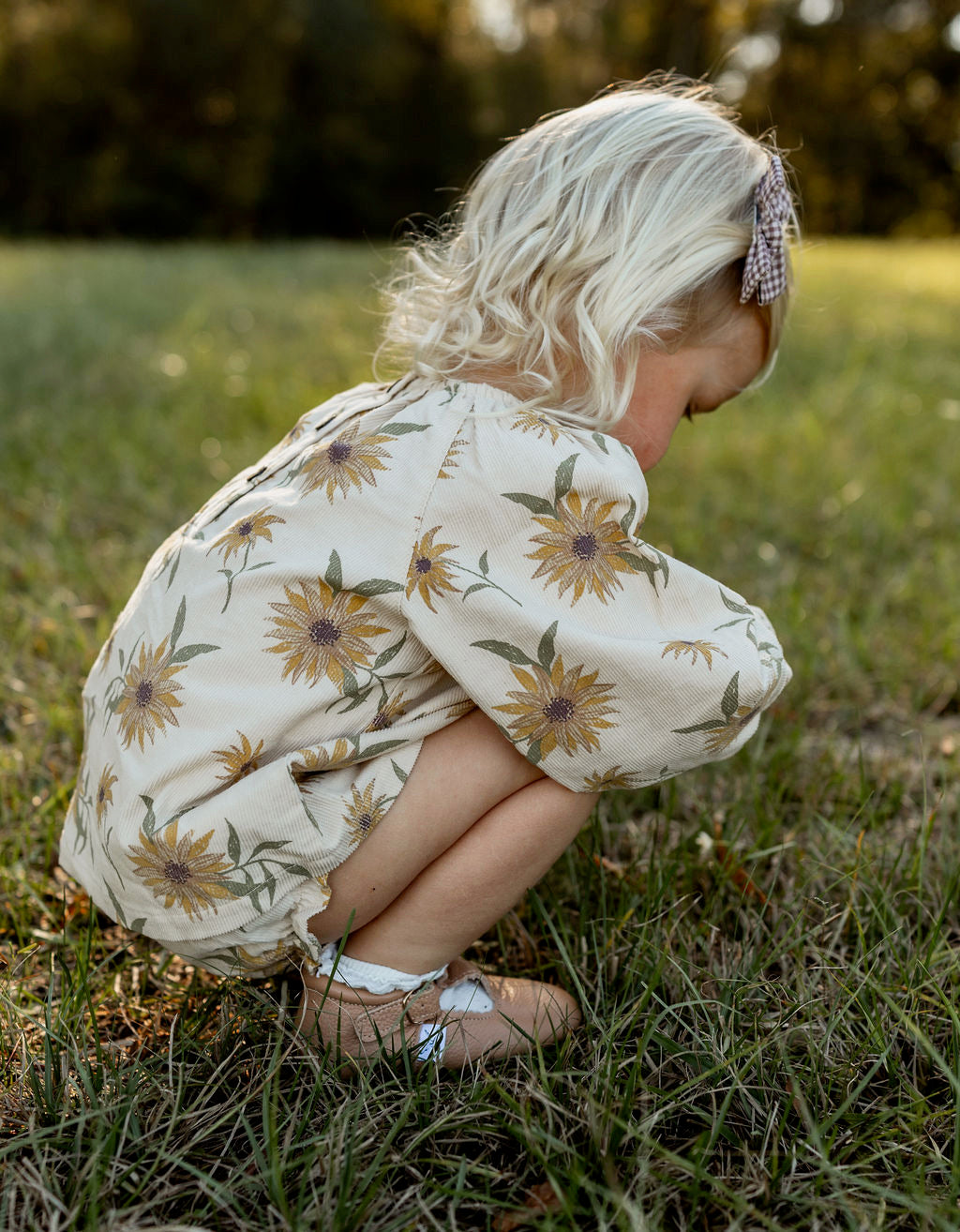
You get one shoe on, reach for the other, and the first one lands on the floor. If that sounds familiar, you are not alone in having a toddler with strong opinions about footwear. Before you buy a different style or tighten every strap, start with a simple question: what is making this pair easy to kick off, or not very nice to wear?
There is no magic shoe that every toddler will keep on. But a few practical checks can make getting out the door feel much less like a game of shoe retrieval.
Check the size before the closure
A shoe that is too roomy may slide off even when the strap is fastened. One that feels tight may get pulled off as soon as your child has a chance. Start with a fresh measurement rather than guessing that the problem is the fastening.
Measure both feet while your child stands and use the longer measurement. Add 0.5 cm for sandals and slip-ons, or 0.9 cm for sneakers and boots, then match the total to our sizing chart. Choose the separate Play Perfect chart when that is the sole listed on the product page.
Try the pair with the socks your child normally wears. Check that toes have room and that the heel does not keep lifting out as they walk. If the fit feels uncertain, pause before taking the shoes outside and double-check the measurements.
Look inside the shoe
A folded sock, a bit of sand or a small seam sitting awkwardly can make a familiar shoe suddenly unwelcome. Empty the shoe, smooth the sock and open the fastening all the way. Guide the foot in gently rather than pushing against a half-closed opening.
Check that the heel is properly seated before closing the shoe. Sometimes the foot has not reached the back, which leaves the toes cramped and the heel loose at the same time. A calm restart can work better than another tug on the strap.
Choose a closure you can adjust
The Low Top has a wide opening and double Velcro closure. Opening both straps gives you space to settle the foot, then you can adjust each strap without pulling everything as tight as possible. It is a practical choice if you want a clear, simple fastening routine.
For a sneaker with elastic laces and a strap, try The Asha. The elastic laces stay in place, while the Velcro closure lets you adjust the fit. There is no loose lace to tie during the morning rush, though you should still check the shoe is the right size.
If you are choosing a dressy pair, The T Bar has a classic buckle closure. Take a moment to choose a comfortable fastening rather than assuming the tightest setting is best. Different styles feel different, so match the shoe to your child's foot and the occasion.
Make shoes part of a predictable routine
Try putting shoes on in the same spot, just before you are ready to leave. A little bench, a favorite rug or the bottom step can become the shoe spot. Keep the routine short: socks, shoes, straps, then out the door.
Giving a small choice can help without making the whole morning open-ended. Ask which of two fitting pairs they want, or whether they want to fasten the last strap. Keep both choices suitable for the outing so you are not starting another negotiation.
Notice when shoes are not needed
If you are back at home and your family's usual indoor routine is shoes off, let that be the routine. You do not have to make a toddler wear shoes all afternoon just because getting them on took effort. Save the shoe-on moment for the outing or setting that calls for them.
During a long trip, pause when you can to check that socks have not bunched and straps have not shifted. Never attach cords, extra ties or improvised fastenings to keep a shoe on. The answer should be a fitting shoe and its intended closure, not a homemade restraint.
Know when to try another pair
If a shoe keeps slipping despite the right measurement and a carefully adjusted closure, its shape may simply not be the best match. Browse our barefoot shoes for kids, compare openings and closures, and read the fit notes before choosing again.
Some days, your toddler will still take a shoe off because taking shoes off is interesting. Keep it calm, check the practical things and try again. A little patience is often the most useful thing in the bag beside the spare socks.


