News

10 Reasons Why Barefoot Shoes Are Best for Your Toddler's Foot Development
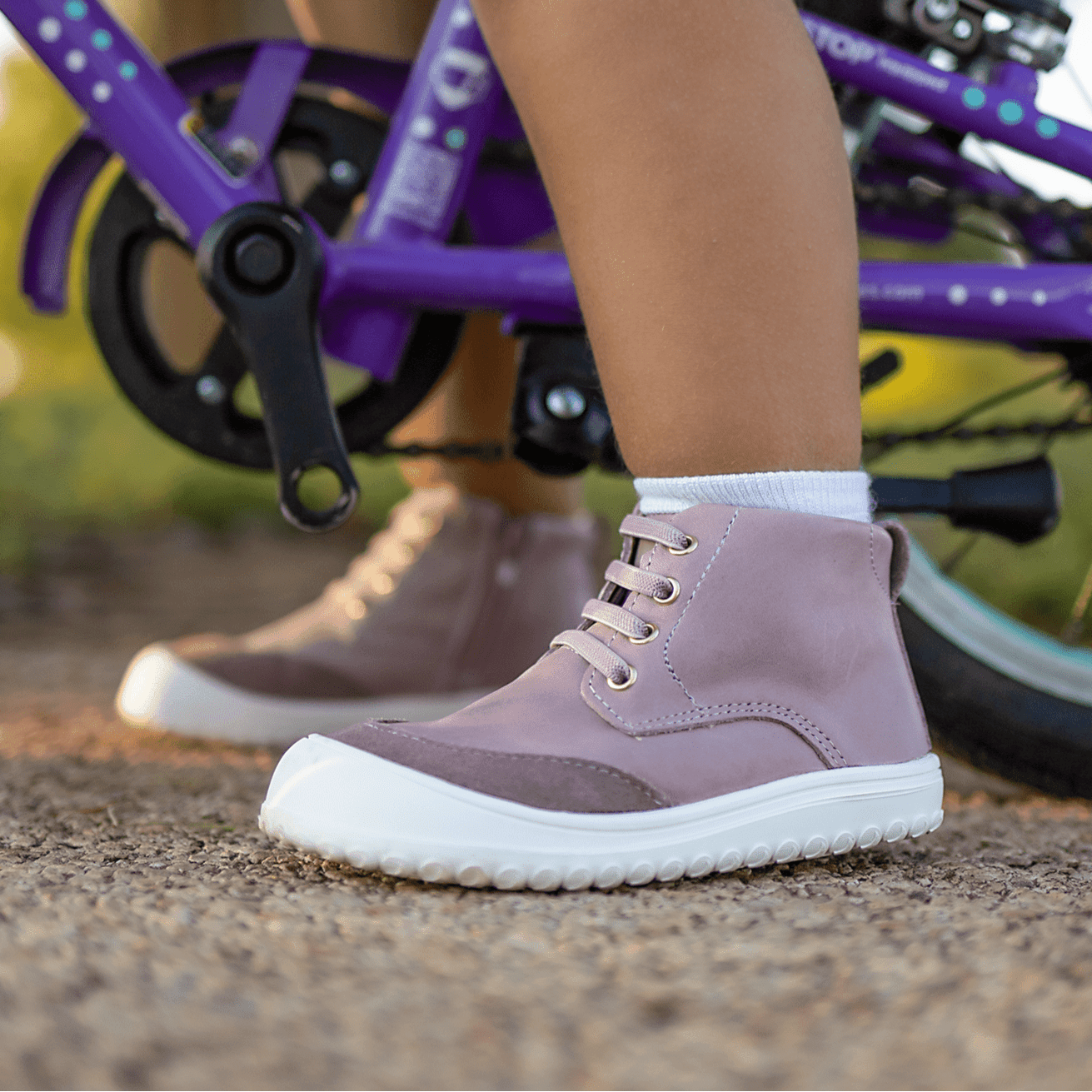
1. Healthy foot development: Barefoot shoes allow a toddler's foot to develop naturally without any restrictions or limitations. This promotes better balance, coordination, and overall healthy foot development.2. Improved sensory input: Barefoot shoes provide more sensory input to a toddler's feet, which helps them to develop a better sense of touch, proprioception, and spatial awareness.3. Increased flexibility: Barefoot shoes allow for greater flexibility and range of motion in the foot and ankle, which can help prevent injuries and improve overall foot function.4. Better posture and alignment: Barefoot shoes encourage toddlers to walk and stand with better posture and alignment, which can help prevent long-term foot problems and improve overall body mechanics.5. Strengthening of foot muscles: Barefoot shoes help to strengthen the muscles in a toddler's feet and legs, which can help prevent common foot problems like flat feet, weak ankles, and plantar fasciitis.6. Reduced risk of injury: Barefoot shoes are designed to protect the foot while allowing for natural movement, which can help reduce the risk of foot injuries like sprains, strains, and fractures.7. Improved balance and coordination: Barefoot shoes promote better balance and coordination, which can help toddlers to navigate uneven terrain and develop better motor skills.8. Improved foot health: Barefoot shoes help to prevent common foot problems like blisters, calluses, and ingrown toenails, which can be caused by tight, restrictive shoes.9. Enhanced comfort: Barefoot shoes are designed to be lightweight, flexible, and breathable, which can help keep toddlers' feet comfortable and cool throughout the day.10. Encourages a connection with nature: Barefoot shoes allow toddlers to connect with the natural world around them, promoting a sense of exploration, curiosity, and adventure.Switching to barefoot shoes can be a positive and empowering choice for parents who want the best for their child's foot development and overall health. While it's understandable that parents may feel hesitant or guilty about changing their child's footwear habits, it's important to remember that every small step towards healthier choices can make a big impact in the long run. Encouraging and educating parents about the benefits of barefoot shoes can help them make informed decisions that support their child's wellbeing.
Learn more
5 Reasons Why Barefoot-Style Shoes Are Best for Your Babies and Children
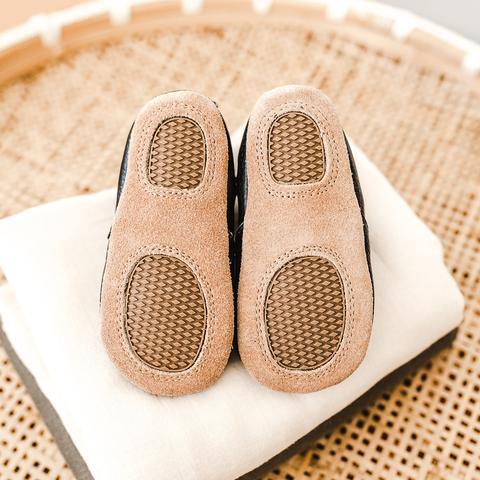
As a mom, you want the best for your little ones, and that includes their foot health. Choosing the right footwear for your babies, toddlers, and children is crucial to ensure that their feet develop healthily and naturally. That's why barefoot-style shoes are becoming increasingly popular among parents, and for good reason. Barefoot-style shoes are designed to mimic the feeling of walking barefoot while still providing protection for the feet. They have thin, flexible soles that allow for natural movement and proper development of the foot muscles and arches. On the other hand, cheap store shoes with thick, rigid soles can restrict natural movement and cause foot problems in the long run. Here are some reasons why you should highly consider barefoot-style shoes for your babies, toddlers, and children: Encourages Proper Foot Development Babies are born with flat feet, and their arches develop over time as they begin to walk and run. Barefoot-style shoes allow the foot to move and flex naturally, which helps to strengthen the muscles and ligaments in the foot and promote healthy arch development. In contrast, shoes with thick, rigid soles can limit the movement of the foot and hinder proper foot development. Promotes Good Posture Wearing barefoot-style shoes can help promote good posture by allowing the foot to properly align with the ankle, knee, and hip. This can help reduce the risk of back pain and other postural problems in the future. Enhances Balance and Coordination Barefoot-style shoes allow the foot to feel the ground beneath them, which can help improve balance and coordination. This is especially important for toddlers and young children who are still developing these skills. Provides Sensory Stimulation The soles of the feet are full of nerve endings, and barefoot-style shoes allow these nerve endings to be stimulated, which can help improve overall sensory development. This can also help with motor skill development and body awareness. Offers Comfort and Flexibility Barefoot-style shoes are designed to be lightweight, flexible, and comfortable. This allows for natural movement and a more comfortable fit, which can reduce the risk of blisters, calluses, and other foot problems. In conclusion, barefoot-style shoes are an excellent choice for babies, toddlers, and children because they promote healthy foot development, good posture, balance and coordination, sensory stimulation, and comfort and flexibility. When it comes to your child's foot health, it's important to choose quality shoes that support their natural development rather than cheap store shoes with thick, rigid soles. So, consider investing in barefoot-style shoes for your little ones and give them the gift of healthy, happy feet.
Learn more
What's the Deal with Toddler Shoe Sizes?
What's the Deal with Toddler Shoe Sizes?When it comes to finding the right shoe size for your toddler, it can be a tricky and time-consuming process. From figuring out their foot size to making sure they have the right amount of room to grow, choosing the right shoe size for a toddler can be a challenge. In this blog post, we'll discuss the basics of toddler shoe sizes and how to choose the best fit and wear for each stage.The Different Stages of Toddler FootwearIt is important to find the right shoe for your toddler as their feet are growing and changing rapidly. Knowing the different stages of toddler footwear can help you make sure you get the right size and type of shoe for your child. Toddler shoes typically come in five different sizes: 0-6 months, 6-12 months, 12-18 months, 18-24 months and 2-4 years. The 0-6 month size is made for pre-walkers or those just learning to walk. Shoes in this size range should be soft and flexible with a sole that does not hinder movement. They should also have a secure closure such as Velcro straps to keep the shoes on securely. The 6-12 month size is designed for active toddlers who are beginning to walk and explore. Shoes should be lightweight. The upper part of the shoe should still be flexible enough to allow for plenty of movement. Closures at this stage should also remain secure, but they can be laces, buckles or even a zipper depending on the style of shoe. The 12-18 month size is made for toddlers who are walking confidently. Closures should be secure and adjustable to accommodate a growing foot. The 18-24 month size is designed for toddlers who are continuing to build strength and coordination in their feet.The 2-4 year size is made for active toddlers who are running, jumping and exploring. Shoes should be lightweight. Closures should be secure and adjustable for growing feet.How to Measure Your Toddler's FeetMeasuring your toddler's feet is the first step to finding the right size and fit for their shoes. The best time to measure is at the end of the day, when their feet will be most swollen, as they tend to swell during the day due to activities. Here are the steps to accurately measure your toddler's feet:1. Place a piece of paper on the floor and have your toddler stand on it with their weight evenly distributed between both feet. Make sure that their toes are pointed straight ahead.2. Use a pen or marker to trace the outline of each foot on the paper. Make sure to mark the furthest point on the toes and the tip of the heel.3. Measure the length of each foot from the heel to the longest toe and record the measurements in inches.4. Use these measurements to find the appropriate shoe size for your toddler's feet. Be sure to consider any discrepancies between the two feet when choosing a size, as it’s best to select a shoe that fits the larger foot. It's important to remember that toddlers' feet grow quickly, so it's a good idea to check their shoe size regularly, at least every three months, to make sure they're wearing the proper size. Doing so will help ensure that your toddler is comfortable and that their shoes fit properly.The Best Fit for Each StageWhen it comes to toddlers, finding the right fit can be tricky. Every stage of development requires different considerations when it comes to their shoes. Here are a few tips to ensure you’re finding the best fit for each stage of your toddler’s growth:Infants (0-12 months): It’s important to find shoes that are soft and flexible for infants. Shoes shouldn’t be too tight or restrictive. Look for soft leather or fabric.Toddlers (12-24 months): Once your toddler starts walking, make sure the shoe is easy to put on and take off with laces or velcro. Check to make sure the toe box is wide enough to accommodate your child’s toes.Preschoolers (2-4 years): Once your child is older and more active, look for comfortable shoes and allow plenty of room for your child’s feet to grow. A good rule of thumb is to add a half-size when buying shoes. Look for features like a wide toe box. Kindergarteners (5-7 years): As your child enters kindergarten, they will likely start playing sports or engaging in other physical activities. Look for features like laces or velcro straps that keep their feet secure and snug.By considering all these factors when shopping for toddler shoes, you can ensure you’re getting the best fit and most comfortable shoes for every stage of your child’s development.Tips for Wearing and Caring for Toddler Shoes1. Make sure the fit is right. It’s important to ensure that your toddler’s shoes fit correctly, otherwise they could cause unnecessary discomfort and potentially lead to long-term foot problems. It’s best to take your child’s feet to be measured every 6 months or so to make sure the size is correct. 2. Look for quality materials. Quality materials are essential for toddler shoes. Shoes made from good quality leather will help keep your little one's feet dry and comfortable. 3. Consider breathability. Breathable shoes are a must for keeping feet cool and comfortable in the summer months. Look for shoes made with mesh panels or perforated leather to allow air to circulate around the feet.4. Choose flexible soles. Soft, flexible soles are ideal for toddlers as they help them move more easily and provide cushioning for growing feet.5. Allow for growth. Make sure you choose a pair of shoes with a bit of extra room, so that your toddler’s feet can still grow without being cramped or restricted. 6. Pay attention to wear patterns. If you notice that your child’s shoes are wearing down unevenly, it could be a sign that they are too small and need to be replaced with a larger pair.7. Keep them clean and dry. To help preserve the life of your toddler’s shoes, make sure to keep them clean and dry. Use a damp cloth to wipe away any dirt and debris, and let them air dry if they get wet. Following these tips for wearing and caring for your toddler’s shoes will help them last longer and keep your little one’s feet comfortable and protected.Why Little Love Bug Company is a Good OptionIf you’re looking for the perfect pair of shoes for your baby or toddler, look no further than Little Love Bug Company. Little Love Bug offers a variety of comfortable, stylish, and quality footwear options for your little one that are sure to provide the perfect fit. From sandals and sneakers to dress shoes and boots, they have a wide selection of sizes to accommodate your child's feet as they grow. Little Love Bug prides itself on providing safe, stylish, and affordable shoes. Their shoes are made with high-quality materials to ensure durability, comfort, and good looks. The soles are also designed with grip and traction to help keep your little one safe while playing. In addition, Little Love Bug offers helpful customer service. So if you’re in the market for a quality pair of shoes for your toddler, Little Love Bug Company is an excellent choice. With their wide selection of sizes, high-quality materials, and friendly customer service, you’ll find the perfect pair of shoes for your child.
Learn more
Baby Moccasins are All the Rage: Here's Why Parents are Picking Them for Shoes for Their Kids
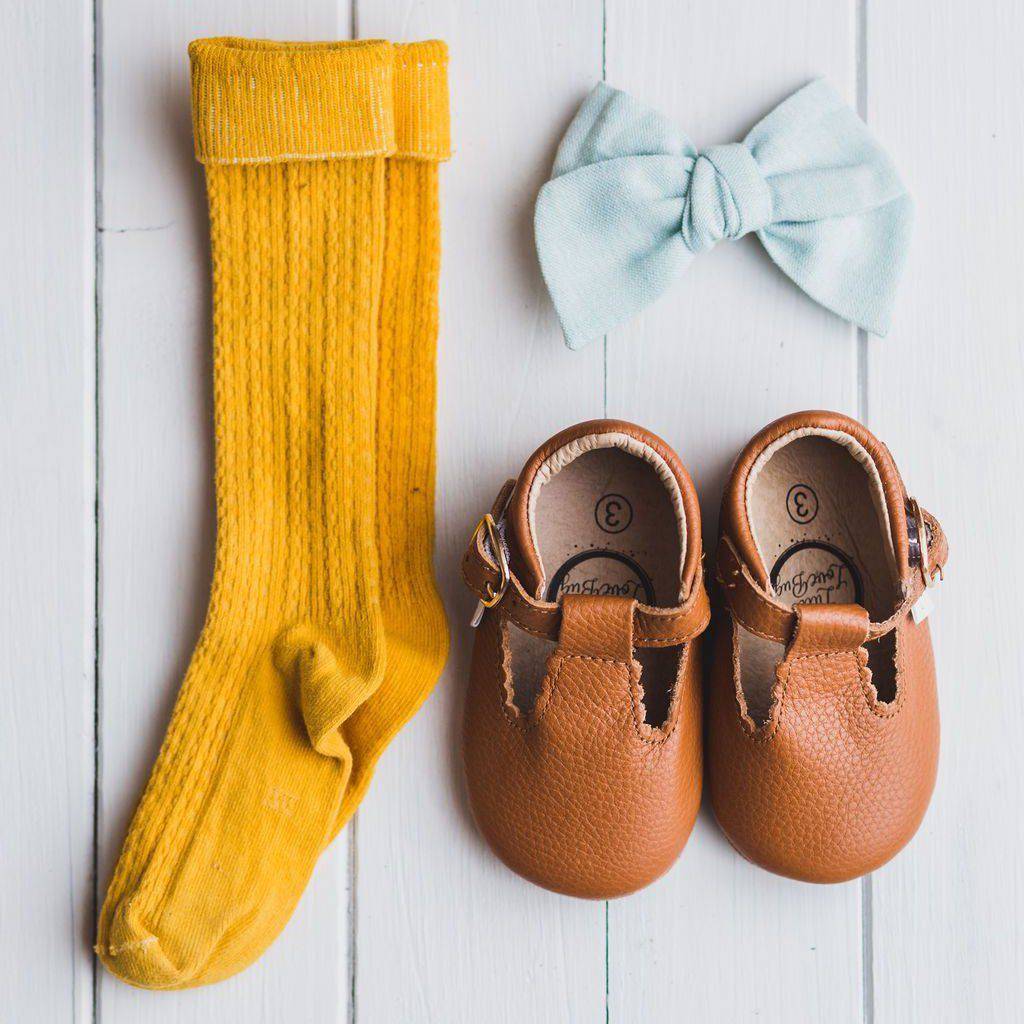
Baby Moccasins are All the Rage: Here's Why Parents are Picking Them for Shoes for Their Kids Baby moccasins have been the hottest trend in children's footwear for some time now, and it's easy to see why. These adorable little shoes are not only stylish, but they are also incredibly comfortable for growing feet. Parents everywhere are now picking up baby moccasins for their children due to the many benefits they offer. In this blog post, we'll explore why baby moccasins are all the rage, and why parents are picking them for shoes for their kids.They're CuteWhen it comes to baby moccasins, the first thing that comes to mind is the sheer cuteness of them. The classic look of the leather shoe with a tiny bow or fringe detail on top is undeniably adorable. Whether you opt for traditional Native American-style moccasins, or something more modern and colorful, there’s no denying that these shoes are simply cute! From infants to toddlers and beyond, your little one will look charming and stylish in their new moccasins. And since they come in so many fun styles and colors, you’re sure to find something to fit their personality and your own.They're ComfortableOne of the reasons why baby moccasins are so popular is because they're incredibly comfortable. This is particularly important for growing feet. The soft leather material of baby moccasins allows for flexibility and movement, which helps support proper foot development. Additionally, the soles are made from a lightweight rubber material, which makes it easy for little ones to walk around without having to worry about their feet getting tired. Plus, because the moccasins fit snugly around the feet, they don't slip off, which is a common problem for other types of baby shoes. All in all, baby moccasins offer a great level of comfort for children's feet that can't be matched by other types of shoes.They're VersatileBaby moccasins are one of the most versatile shoe choices for babies and toddlers, as they can be worn for many different occasions. For more formal events, there are dressier baby moccasins available with metallic accents or rhinestones. For playtime, there are sporty baby moccasins in bright colors and fun patterns. Many baby moccasins also feature adjustable straps for a snug fit that allows for growth. Additionally, some moccasins can be converted into booties so that your little one can stay warm in cold weather. Whatever the occasion may be, you can find a pair of baby moccasins to fit any style!They're DurableBaby moccasins are known for their durability, making them ideal for parents who want to make sure their children’s shoes will last. The materials used to make baby moccasins are designed to withstand wear and tear, and they can handle the inevitable scuffs and scratches that come with playing and running around. The flexible sole also ensures the shoes will hold up over time, and the leather or synthetic materials can withstand rough weather conditions like mud and rain. All in all, baby moccasins are a great choice for parents looking for durable shoes for their little ones.They're Good For Developing FeetBaby moccasins are the perfect shoe for developing feet. They are flexible enough to allow babies and toddlers to move freely while also providing enough support and cushioning that they don’t have to worry about their feet slipping out of them. Baby moccasins also have a very shallow sole which encourages babies and toddlers to grip the ground with their feet as they learn to walk. This is incredibly important for their balance, coordination and overall development. The shallow sole also allows for better blood flow in the foot area, which can help prevent the formation of blisters and calluses. All in all, baby moccasins are an excellent choice for developing feet!
Learn more
Why You Should Consider Soft Sole Shoes for Your Kids
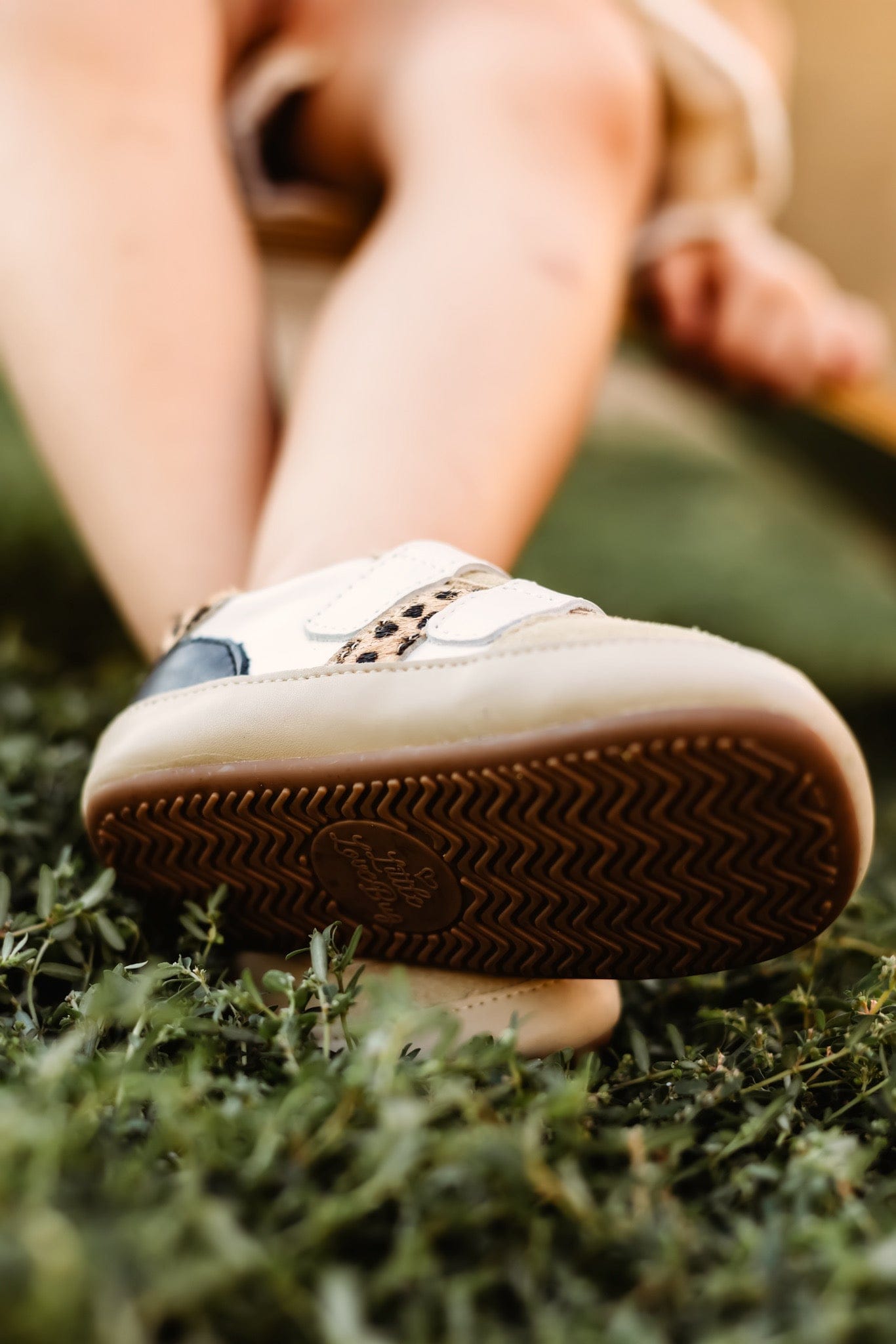
Why You Should Consider Soft Sole Shoes for Your KidsWhen it comes to kids, there are a lot of things to consider when it comes to their health and wellbeing. One important item to consider is soft sole shoes. Soft sole shoes are essential for young children, as they provide comfort and support for growing feet. In this blog post, we will discuss why you should consider soft sole shoes for your kids.The Benefits of Soft Sole ShoesSoft sole shoes are essential for young children and infants, as they provide the necessary protection and comfort needed to grow and develop healthy feet. Soft soles provide better traction than hard soles, as they are less likely to slip on slippery surfaces or become damaged on rough terrain. They also provide greater flexibility and cushioning, which is important for developing bones and muscles. Soft soles also allow for more natural movement, as they are able to move with the foot in a more unrestricted manner. Finally, soft sole shoes are much easier on a child’s feet than hard soles, as they provide extra padding and cushioning. All of these benefits make soft sole shoes a great choice for growing feet.The Different Types of Soft Sole ShoesWhen it comes to selecting the right type of soft sole shoes for your little one, there are a number of different options available. Generally, the different types of soft sole shoes are categorized into two main categories: hard-sole and soft-sole shoes. Hard-sole shoes provide extra support for your child’s feet and are great for outdoor activities such as running, jumping, and other physical activities. These shoes also provide protection for your child’s feet from sharp objects. Some of the more popular hard-sole shoes include athletic shoes, leather shoes, and rubber boots.Soft-sole shoes are designed specifically to be flexible and comfortable while still providing the necessary support and protection for your child’s feet. These shoes are ideal for indoor activities such as crawling, walking, and playing. They can also be used outdoors but won’t provide the same level of protection as a hard-sole shoe. Popular types of soft-sole shoes include canvas sneakers, ballet flats, Mary Janes, and moccasins. No matter which type of shoe you choose for your little one, make sure it fits correctly and provides enough room for their feet to grow.How to Choose the Right SizeChoosing the right size of soft sole shoes for your kids is an important step in ensuring their comfort and safety. It's important to measure your child’s foot accurately so that you can find the right fit for them. The best way to do this is to have them stand on a piece of paper and trace around their foot with a pen or pencil. Measure the distance from the longest toe to the heel, then use a sizing chart to figure out their shoe size. Make sure to measure both feet, as one might be larger than the other.When choosing soft sole shoes, it’s important to make sure they’re not too tight. Kids’ feet grow quickly, so it’s better to buy slightly larger shoes than smaller ones. This will ensure that their feet have plenty of room to move around and grow in. Finally, make sure to check the construction of the shoes. Look for soft leather materials that are flexible and breathable. Avoid hard materials or stiff soles as these won’t provide enough cushioning for little feet.Following these steps will help you find the perfect fit for your child and ensure their comfort and safety.Why Little Love Bug CompanyIf you’re looking for the best soft sole shoes for your little one, look no further than Little Love Bug Company. This company specializes in providing high-quality, affordable, and stylish soft sole shoes for kids. Their shoes are made from the finest materials, including leather and cotton, which make them comfortable for your child to wear all day long.Little Love Bug Company offers a variety of styles that fit both boys and girls. From classic boots to sandals and sneakers, they have something for every occasion. The best part about Little Love Bug Company is their commitment to customer service. Their staff is always available to answer any questions or concerns you may have. They also offer free shipping on orders over $150, so you don’t have to worry about breaking the bank when shopping for soft sole shoes. If you’re looking for the perfect soft sole shoes for your little one, then Little Love Bug Company is the way to go. With their high quality products and exceptional customer service, you can be sure that you’ll be getting the best shoes for your little one.
Learn more
Why Baby Moccasins Are Taking Over
Why Baby Moccasins Are Taking OverBaby moccasins have become a hot fashion trend amongst parents of young children. These cute and stylish shoes are taking over nurseries and playgrounds all over the world. Perfect for little feet, baby moccasins are designed to provide comfort and protection while adding a fashionable touch. So why are baby moccasins so popular and why should you get a pair for your little one? Read on to find out why baby moccasins are taking over!They're CuteBaby moccasins are simply adorable! They come in a variety of styles and colors, so you can find something to match any outfit. From bright patterns to pastels, there's something for every taste. They feature soft leather or suede uppers with flexible rubber soles, which make them both fashionable and comfortable. Plus, the fringe, bows, and other details make them extra cute for your little one's feet. Not only that, but baby moccasins can also be personalized with your child's initials or a special message embroidered on the sides, making them even cuter!They're AffordableOne of the biggest reasons why baby moccasins are becoming such a trend is because they are incredibly affordable. Moccasins can range anywhere from $20 to $50, depending on the style and brand you choose. This makes them an accessible fashion choice for any budget-conscious parent. Plus, they often come with multiple pairs or sets in a single purchase, making them even more affordable. You don't have to worry about breaking the bank when it comes to buying baby moccasins, making them a great option for any family.They're Easy to Put OnBaby moccasins are becoming increasingly popular among parents of young children due to their easy-on design. Most styles feature a simple slip-on design, with an elastic band that goes around the ankle to keep them secure. This makes it easier for parents to put the shoes on their little ones without having to fumble with buckles and laces. The ease of putting on baby moccasins also helps when your child is running around or when you're in a rush, as it doesn't take long to get them ready for whatever activity they may be doing. Another bonus is that the soft sole of the shoes allows for movement and flexibility, so your child can explore the world in comfort.They Stay OnOne of the biggest reasons why baby moccasins are becoming such a trend is because they stay on! Unlike socks, which can easily be kicked off by little ones, baby moccasins provide just enough grip that babies can walk around without fear of them falling off. Baby moccasins also typically come with ankle support which helps keep them in place. Additionally, some baby moccasins come with elastic bands that further help keep them secure on those little feet. All of these features make sure that your little one’s feet stay warm and safe all day long.They're VersatileBaby moccasins are becoming increasingly popular because of their versatility. They can be worn in any season and for any occasion, whether you're headed to a party, the beach, or just out for a stroll. With their simple slip-on design, baby moccasins can be paired with any outfit. They come in a variety of colors, materials, and designs so you can find something to match your little one's wardrobe. And when they get too dirty or outgrow them, they can easily be replaced with a new pair. Baby moccasins are the perfect shoe for growing kids and can be a great addition to their wardrobe.
Learn more
The Amazing Development of Baby Feet
The Amazing Development of Baby Feet April 17, 2023 Leslie NelsonIt never ceases to amaze me to think... I GREW those things in my belly. My children came to be because of my body. Children are a wonder to watch grow and the development of baby feet is an incredible process to witness too. From the moment a baby is born, their little feet begin the amazing journey of growth and development that lasts until they reach adulthood. With each stage of development, baby feet become stronger and more agile, taking them on the path to independence.NewbornThe journey of a baby’s development begins even before birth, with the first physical changes starting in the womb. At this stage, the feet are still developing, but already beginning to take shape. By the time a newborn baby is born, the feet have developed enough to support them in standing and walking.The skin of a newborn's feet is very delicate, soft and smooth. The shape is relatively flat and the toes are shorter and more rounded than those of an adult foot. Most newborns have their feet turned inward, which is known as metatarsus adductus, and will usually straighten out as they grow and develop. At this stage, they also lack arches and fat pads which give the foot structure and support.Newborn feet require special care and protection due to their delicate nature. It is important to keep the feet clean and dry, avoid over-tightening shoes, and be aware that those adorable baby booties might look cute but can restrict movement and be uncomfortable for your little one.3 monthsAt 3 months, your baby’s feet may look surprisingly similar to those of an adult. The foot will have five tiny toes and the baby’s arch should be starting to form. At this point, your baby’s feet will be more sensitive to touch and they will be able to curl their toes. To help promote healthy development, you can try some activities with your baby such as playing with a toy placed near their feet or massaging their feet in circular motions with oil or lotion. During this stage, it is also important to ensure your baby has proper footwear. This includes properly fitting booties, socks, or moccasins that provide protection. Proper footwear is essential to ensure healthy development of your baby’s feet and should continue to be used as they grow and begin to crawl.1 yearAt the one year mark, babies have developed strong and sturdy feet. They will be able to stand up and walk with assistance. During this stage of development, babies are also able to stand up on their own, with their feet firmly planted on the ground - My back aches just thinking of all those times I bent over to help my two daughters walk around. Their feet and ankles are well-developed and their arches are beginning to form. While they still may not be able to run, they are learning how to maneuver around objects, such as chairs and tables. As their confidence increases, so does their mobility. At this age, it is important to provide your baby with plenty of floor time in order to encourage them to use their feet and explore their environment.2 yearsAt two years of age, babies will have taken their first steps and will be starting to become more confident with walking. Their feet are now more developed, and they will have the ability to run, jump, and kick. Their feet are now fully formed and the arch of their foot is now visible. As well as increased physical capabilities, their fine motor skills improve, allowing them to put on shoes, grab and carry items and balance better. The muscles in the feet are stronger and stronger, providing a better base for activities such as hopping, running and walking. At two years old, babies should have a foot size of 4-6 inches, with 4-4.5 inches being the most common size. While their foot looks to be fully complete - The foot will continue to grow and develop until they're teens. It's important not to squeeze feet in to shoes too small or restrictive, as it will hinder their bones to properly grow. Here at Little Love Bug, we take pride in knowing... Sometimes too much... About foot growth and proper footwear. For too long we have relied on trends of fashion to guide what we wear. It's time your kiddos feet get the opportunity to be all that they can with Little Love Bug - We will help you get there.
Learn more
Is Your Baby Ready to Walk? Here's How to Encourage Them
Is Your Baby Ready to Walk? Here's How to Encourage ThemAs a parent, watching your baby take those first steps is an incredible moment that you'll never forget. But when is the right time for your baby to start walking and how can you encourage them to do so? In this blog post, we'll discuss when it's the right time for your baby to start walking and how you can help them take their first steps with confidence. So if you've been wondering when your baby is ready to start walking and what you can do to help them, read on to find out more.When Do Most Babies Start Walking?Most babies begin to take their first steps around the age of one, although some can start as early as nine months. The average age for walking independently is usually between 12 and 15 months, but this is just a guideline. Some babies may walk earlier or later than others, so don’t worry if your baby isn’t walking by this time. Every baby is different and some take longer to reach milestones such as walking.It’s important to remember that there is no set timeline for when your baby will be ready to start walking. Each baby develops at their own pace and some may not be ready to walk until they are a bit older. If you’re concerned about your baby’s development, speak to your doctor or health visitor for advice.What Are the Signs That My Baby Is Ready to Start Walking?One of the most exciting milestones in a baby’s development is learning to walk. Most babies start walking between the ages of 9-15 months. But, there are some signs that can let you know if your little one is ready to take their first steps. The first sign is your baby’s ability to stand on their own. If your baby can stand without any help for a few seconds, then they may be ready to take their first steps. Another sign is if your baby can balance when standing or walking along furniture or other objects. Babies should be able to bear some of their weight when they are learning to walk. They should also be able to hold onto something while they practice walking. Another sign that your baby may be ready to start walking is if they are taking more steps while holding onto furniture or other objects. Finally, if your baby can understand simple instructions like “Come here” or “Let’s go” then they may be ready to start walking. It is important to keep in mind that every child is different and may start walking at different ages. Some children may start walking earlier than others and some may take a bit longer. As long as your baby is meeting the physical and cognitive milestones for walking, then you can rest assured that they will start walking soon!How Can I Help My Baby Learn to Walk?When your baby is ready to start walking, you can help them learn by encouraging them to practice. Start by helping your baby stand with support and let them get used to the feeling of being on their feet. As they become more comfortable, you can use a crawl walker or pull them up on furniture so that they can practice standing up.You should also give your baby plenty of opportunities to practice moving around. Place their toys in different locations around the room and allow them to explore, or have your baby move around while holding onto furniture. Let your baby take their time and don’t be afraid to use your hands to help them balance as they move around.In addition to providing your baby with plenty of practice opportunities, you can also use activities to encourage your baby to start walking. Use songs and games that involve movement, such as playing follow-the-leader or peek-a-boo. You can also try using a toy or ball to entice your baby to take steps towards it.Finally, be sure to offer lots of praise when your baby takes a step. Clapping and cheering will help build confidence and enthusiasm for taking more steps. Before you know it, your little one will be walking all over the house!What Should I Do If My Baby Seems reluctant to Start Walking?If your baby seems reluctant to start walking, it’s important to stay patient and supportive. Most babies don’t start walking until they’re around a year old, so be patient and understand that your little one has to master many developmental milestones before they can walk. Start by giving your baby plenty of opportunity for supervised practice. Place them on the floor with a few toys nearby and encourage them to move their feet and explore the space around them. It may help to sit on the floor with your baby and cheer them on as they take their first steps. In addition, you can use props to help your baby learn how to walk. Consider purchasing a baby walker, which will provide a safe environment where your baby can practice walking while also having the stability of something to hold onto. A baby gym or activity center can also help give your baby more opportunities to practice standing and cruising around furniture.It’s also important to encourage your baby through verbal praise and physical touch. Tell them what a great job they are doing and celebrate each milestone. You can also give them gentle touches or hugs to reinforce positive behaviors. Finally, if your baby is still reluctant to walk after a period of time, you should talk to your pediatrician about the issue. They may suggest specialized exercises or refer you to a physical therapist for additional guidance.
Learn more
What's So Great About Soft Sole Baby Shoes?
What's So Great About Soft Sole Baby Shoes?Soft sole baby shoes are becoming increasingly popular among parents and caretakers, and it’s easy to understand why. Not only are soft sole baby shoes incredibly comfortable for little feet, but they also provide many advantages in terms of foot development and health. In this blog post, we’ll explore some of the key benefits of soft sole baby shoes and explain why they’re such a great choice for babies and toddlers.They're More ComfortableSoft sole baby shoes are much more comfortable for babies than traditional hard sole shoes. Babies' feet are naturally soft, and it's important to protect them from discomfort and irritation. Soft sole shoes provide cushioning, support, and a flexible fit that won't rub or pinch their delicate feet. Not only that, but they also allow little toes to spread naturally while they walk, helping them to develop healthy feet. Additionally, they keep feet cool in the summer and warm in the winter, making them a great all-season option.They're Better for DevelopmentWhen it comes to buying shoes for your baby, soft sole shoes are a great option. This is because they provide more support than hard-soled shoes, and they promote better development in your little one’s feet. Soft sole baby shoes allow your baby's feet to move freely and naturally while they're learning to walk. The flexible material also allows their feet to grow and develop properly, as it gives them enough room to do so.Soft soles can also help protect your baby’s feet from any sharp objects on the ground. The cushioning of the soft sole helps provide extra protection while they are learning how to walk. Plus, since soft sole shoes are lightweight, your baby won’t feel like they’re carrying around heavy shoes. This will help them focus on their balance and coordination as they learn to walk.Overall, soft sole baby shoes are a great choice for babies as they provide comfort, protection, and proper development for your little one's feet. So if you’re looking for the best shoes for your baby’s first steps, make sure to choose soft sole shoes!They're American Board of Pediatrics RecommendedWhen it comes to buying baby shoes, the American Board of Pediatrics (ABP) has clear recommendations. The ABP recommends that babies wear soft sole shoes for the first year and a half of their life. Soft sole shoes provide flexibility for the baby’s feet, help with development, and provide the necessary protection from dirt and other environmental hazards. Soft sole shoes are more comfortable than other types of baby shoes, and they are generally lighter weight than traditional shoes. The American Board of Pediatrics also recommends that parents wait until their child is at least eighteen months old before purchasing harder soled shoes. Soft sole baby shoes come in a variety of styles and colors, so you’ll be able to find something that suits your taste and your budget. From sandals to sneakers, you’ll be able to find something that your little one will love. Not only are these shoes perfect for keeping your baby's feet comfortable, but they’re also an excellent choice for helping them learn to walk. The flexibility of the soft sole helps the baby learn how to balance and walk on different surfaces. The American Board of Pediatrics recommends soft sole baby shoes for all babies. With their comfort, lightweight design, and range of stylish options, soft sole shoes are a great choice for your growing little one.They're Cute!When it comes to baby shoes, one of the best things about them is how cute they look! Soft sole baby shoes come in a variety of colors and styles, so it's easy to find the perfect pair for your little one. They feature fun designs, like animals, flowers, polka dots, and more, making them a great addition to any outfit. Soft sole shoes are also much easier to slip on and off than traditional hard-soled shoes, making it a breeze to get your baby dressed in the morning. Plus, the shoes are often machine-washable, so you don't have to worry about them getting dirty. Whether your little one is wearing a dress or jeans, these sweet little shoes will add a touch of style to any ensemble.
Learn more